

Updated July 2026.
Want to know what a coveted Hermès Birkin bag costs? Look no further - we're answering the question "how much does a Birkin bag cost?" once and for all. Prices start at around $13,500 and can climb to well over $2,000,000 for these ultimate symbols of luxury. Our in-depth look explores the roles that materials, craftsmanship and exclusivity play in pricing these iconic pieces, with plenty of insights still to come.
Key takeaways from this guide:
A guide to navigating Birkin bag prices
Factors that influence the price of a Birkin bag
Why you should invest in Birkin bags
The price range of Birkin bags
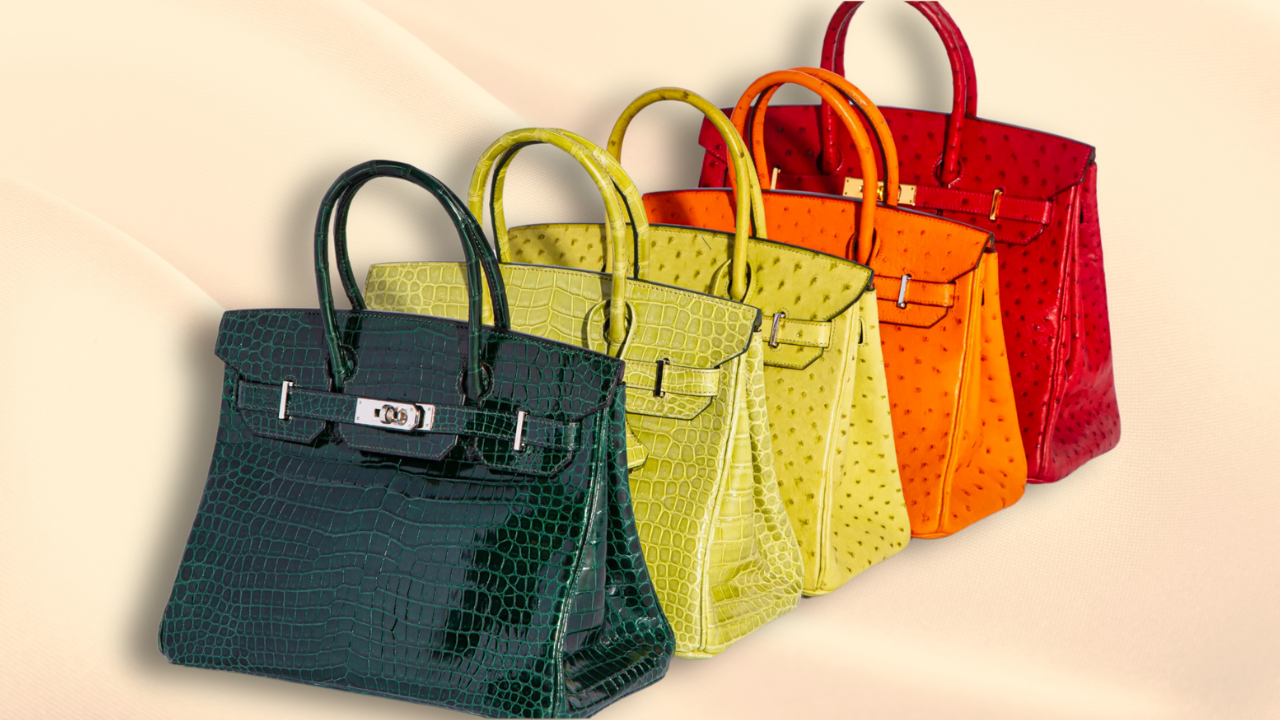
Since its debut in 1984, the price of a Birkin bag has climbed dramatically. Originally, a Birkin bag could be purchased for around $2,000 on average, but that price has skyrocketed over the past 40 years, with a staggering increase of over 500%. Today, the starting price for a new Hermès Birkin bag sits at around $13,500.
But depending on various factors, including the model and the materials used, a new Hermès Birkin bag can range in price from roughly $13,500 all the way up to a staggering $2,000,000. We'll now explore the different types of Birkins and their corresponding prices.
Standard Birkins
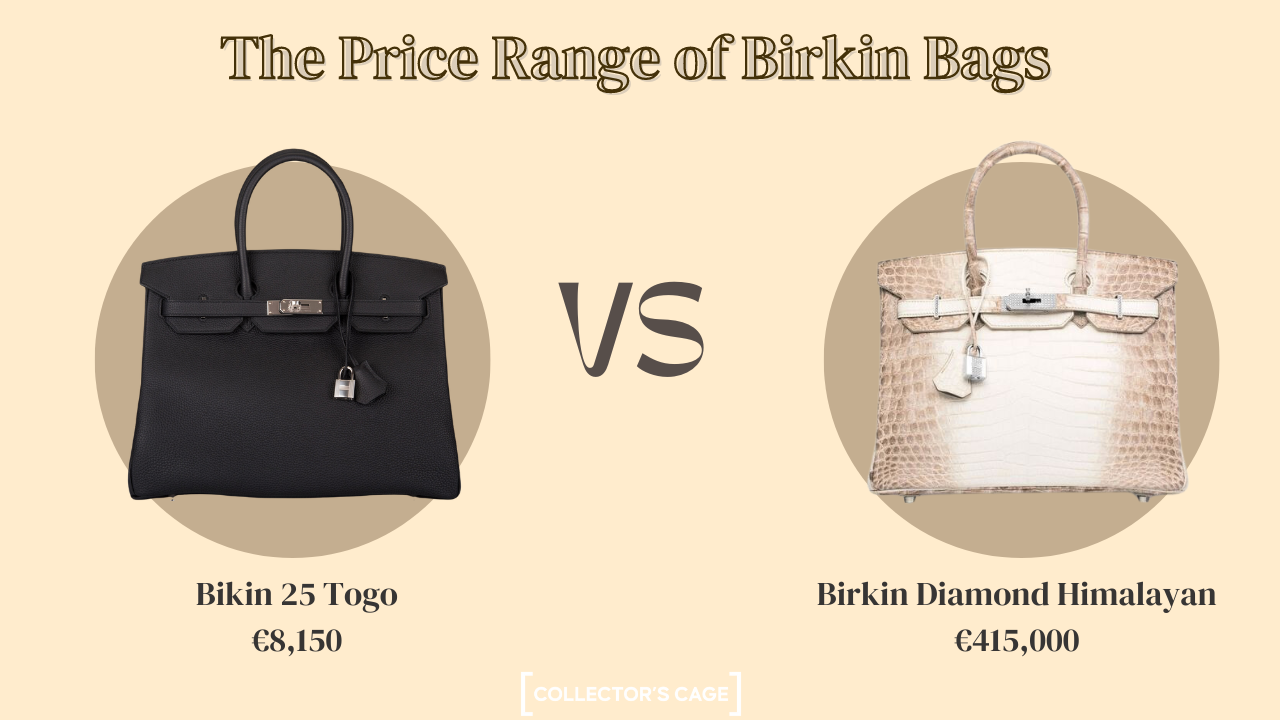
Standard Birkin bags are crafted from popular materials such as Togo and Epsom leather, celebrated for their exceptional quality and appeal. The price of a standard Birkin 25 in Togo leather in the US has risen to $13,500 in 2026, while a Birkin 30 and 35 in Togo leather now cost $14,900 and $16,300 respectively. Even in Europe, the price of a standard Birkin 25 in Togo has climbed markedly to 9,600 euros in 2026.
All in all, the trends show a steady increase in the price of standard Birkin bags, regardless of size or market.
Standard Birkin Bag Price Table
| Style | Price (€) |
|---|---|
| Birkin 25 Togo | 9,600 |
| Birkin 30 Togo | 10,600 |
| Birkin 35 Togo | 11,600 |
| Birkin 25 Epsom | 9,600 |
| Birkin 25 Box | approx. 13,500-14,500 |
| Birkin 25 Shadow Swift | approx. 11,500-12,000 |
Birkins in Exotic Skins
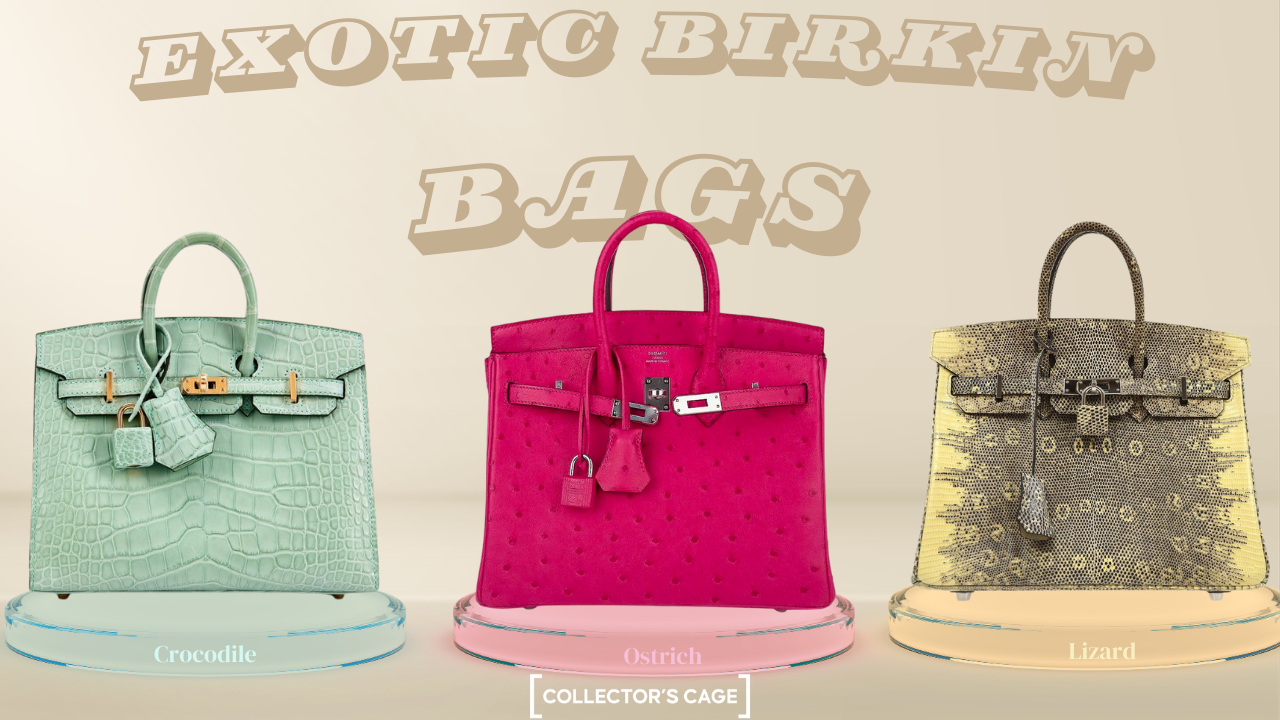
If you thought the prices on standard Birkin bags were high, wait until you hear about the exotic skin Birkins. Crafted from materials such as crocodile, alligator and lizard, these bags have seen significant price increases in recent years. Because these exotic materials drive up production costs, these Birkin bags experience a much steeper price climb compared to standard leather Birkins.
For example, the Birkin 25 Sellier Box, which can feature exotic skins, has climbed to around 16,500 dollars in 2026, while ostrich Birkins often sell close to the price of leather Birkins, depending on various factors. And if you're curious about the upper limit, Birkin bags crafted from exotic skins with diamond hardware can fetch prices well above 200,000 dollars on the resale market.
Price Table for Exotic Skin Birkin Bags
| Style | Price (€) |
|---|---|
| Birkin 25 Ostrich | approx. 16,700 |
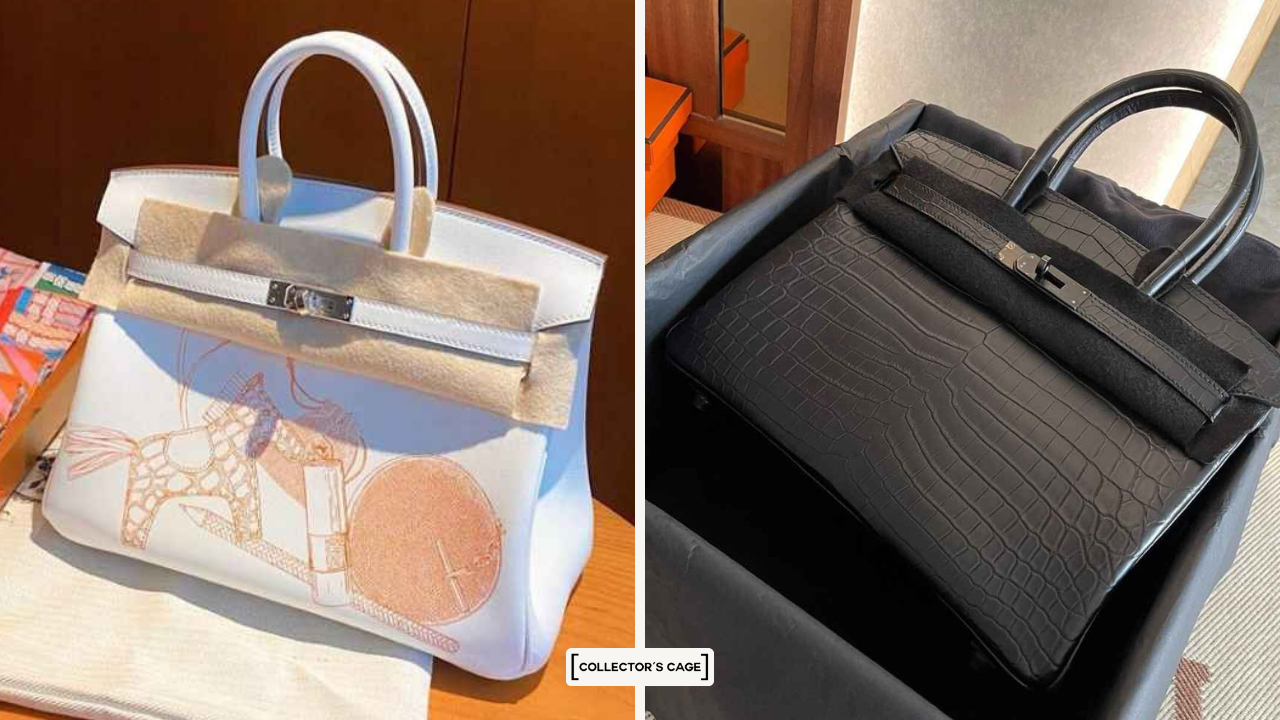
| Birkin 25 Crocodile (Matte) | approx. 41,000-44,000 |
| Birkin 25 Crocodile (Shiny) | approx. 46,000-48,000 |
Limited Edition Birkins
Limited edition Birkins are the crème de la crème of the Birkin world. These bags are highly coveted for their rarity and the exclusive status they carry. Features such as limited-run hardware finishes, including rose gold or brushed palladium, along with unique materials, boost the collector value of these Birkin bags considerably. For example, the Diamond Birkin has sold for well over 200,000 pounds, while the silver edition of the Metallic Birkin reached a price of 126,000 dollars in 2021.
One of the most extravagant examples of a limited edition Birkin is the Sac Bijou Birkin, priced at 2 million dollars and part of the Hermès Haute Bijouterie Collection. Unlike standard Birkin models, limited edition Birkins can vary enormously in price and desirability, owing to their rarity, extraordinary features and the prestigious collaborations behind their creation.
Factors That Influence the Price of a Birkin Bag
The price of a Birkin bag is significantly influenced by a number of factors, including:
-
The type of materials used in its construction
-
The level of craftsmanship involved
-
Attributes such as size and colour
-
The bag's condition
-
Its rarity, where the date stamp offers insight into the year of production
Even the hardware on a Birkin bag, which is generally a matter of personal style, can have some bearing on the price - particularly if it features limited-edition or distinctive hardware elements. We'll now break down these elements to give you a clearer understanding of how they influence the price of a Birkin bag.
Material and Craftsmanship
Every Birkin bag is meticulously hand-stitched by an artisan trained for five years in Hermès' signature saddle-stitching technique, a method that dates back to the 1800s. The process of completing a single Birkin bag involves up to 18 hours of work, including:
-
Stitching
-
Polishing
-
Painting
-
Buffing
All of these steps are carried out by a single artisan, which reinforces the uniqueness and handcrafted nature of each piece.
The Birkin bag's high price largely comes down to:
-
The extensive skill and craftsmanship required to create it
-
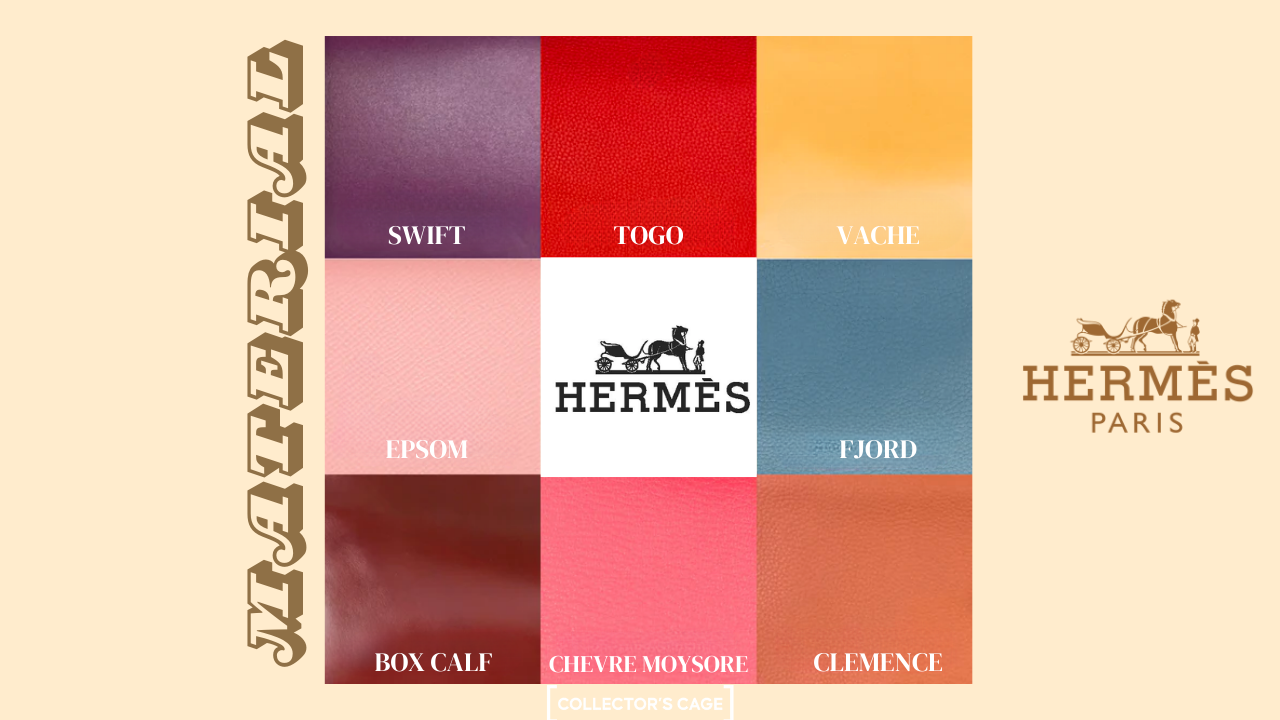
The high-quality goatskin lining used inside
-
The materials used, such as Chèvre and Clémence leather, which are sourced from various tanneries across France and offer a range of scents and textures that contribute to the bag's value
-
Hardware finishes such as gold, palladium, and the exclusive rose gold, which can affect a Birkin's value - gold hardware typically retains a higher value
Size and Colour
Size and colour also play a significant role in the price of a Birkin bag. Birkin bags come in sizes ranging from 25, 30, 35 up to 40 centimetres, with the smaller Birkin 25 generally commanding a higher price due to greater demand. In addition, neutral and pastel-coloured Birkin bags often carry higher prices than their more vibrantly coloured counterparts, as they tend to be more sought after.
Customers also have the option to special-order Birkin bags in different exotic skins such as calfskin, lizard and ostrich, which can affect the price further depending on the material chosen. Ultimately, the combination of size and colour preferences, along with the availability of customised options, has a significant impact on a Birkin bag's market value.
Condition and Rarity
A Birkin bag's condition is a decisive factor in its resale value, with bags in pristine condition commanding the highest prices. Bags in less-than-perfect condition, however, are far more likely to see a reduction in value, illustrating just how important - and subjective - condition is as a factor influencing potential resale price.
Older leather Birkin bags that are in excellent condition but show some signs of wear typically cost between $10,000 and $15,000. A Birkin bag's rarity heightens its appeal among collectors, with unique designs and features making them more coveted and driving up auction prices.
For example, a leather Birkin 25 in pristine condition can fetch between $25,000 and $35,000, while a leather Birkin 30 in equally pristine condition typically sits a little lower, from $20,000 to $30,000. These examples highlight how rarity and condition together shape the price of a Birkin bag on the resale market.
The Most Expensive Birkin Bags Ever Sold
Birkin bags, also known as Birkin handbags, have become a phenomenon at auction houses, fetching staggering prices and leaving people wondering why Birkin bags are so expensive. Some notable sales of pricey Hermès Birkin bags include:
-
The most expensive Birkin bag ever sold is Jane Birkin's original Birkin bag, which in July 2025 sold at Sotheby's in Paris for an astonishing 8.6 million euros (approx. $10.1 million) - a record for a handbag at auction.
-
A Himalaya Birkin, crafted from Niloticus crocodile skin with Palladium hardware, was especially prized and sold at Sotheby's for over $450,000.
-
Limited-edition Birkins such as the So Black Birkin have achieved significant sale prices, with one example selling for over $208,000 at Christie's.
-
Another remarkable Birkin, the Faubourg Neige Birkin 20 Sellier, combined alligator and chèvre leather to resemble a Hermès boutique and sold for $400,000. With bags like these commanding such popularity, it's no wonder a new Birkin bag is so highly sought after.
These sales show that luxury bags, including Birkin bags, the diamond Himalaya Birkin, and Birkin handbags, are incredibly valuable and highly coveted in the luxury market.
Other notable sales included a Birkin 20 in Vert D'eau Matte Alligator with gold hardware, which sold for approximately $115,570, reflecting the continued high value of exotic leathers.
Celebrities and Their Influence on Birkin Bag Prices
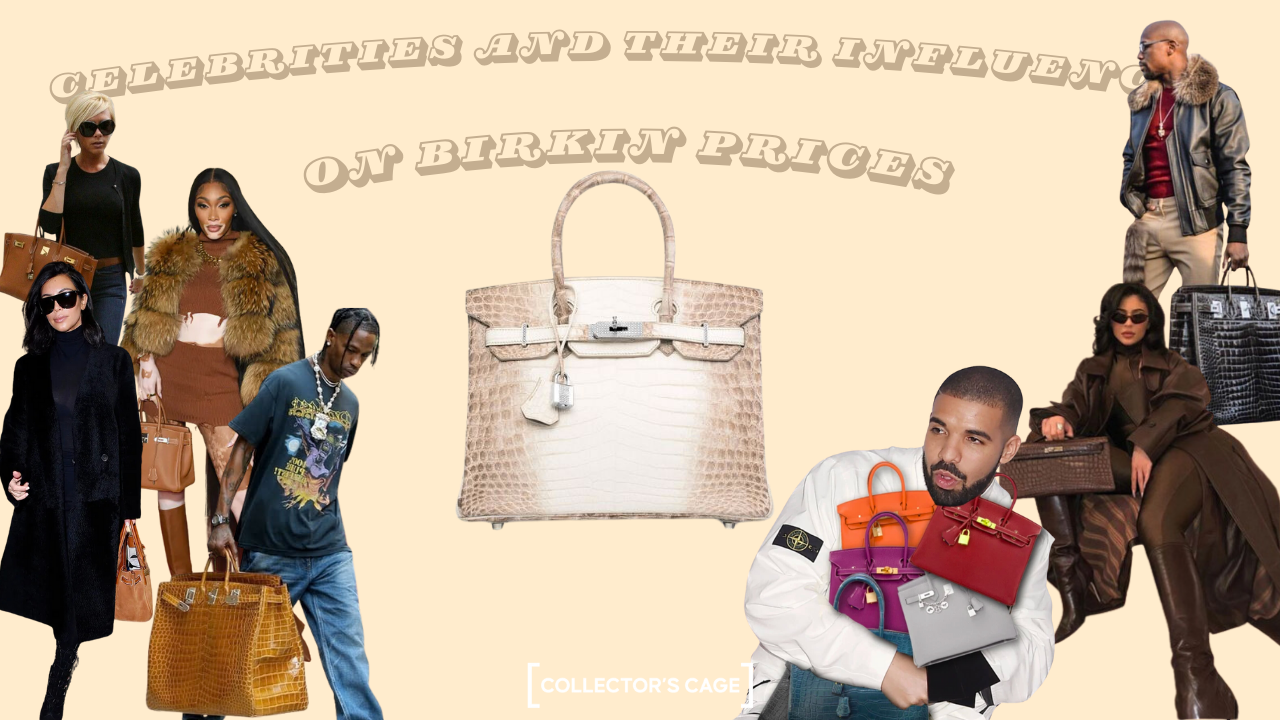
Celebrities have a significant influence on Birkin bag prices. They promote Birkin bags through public appearances, acting as trendsetters and style icons, which effectively boosts the bag's popularity and demand. Celebrity ownership and public endorsement drive greater demand and increased resale value for Birkin bags, as seen in auction transactions.
Personalisation and unconventional use of Birkin bags by celebrities, such as Kim Kardashian letting her child decorate her bag, adds a layer of uniqueness to the brand's value.
Victoria Beckham's vast collection of over 100 Birkin bags, along with celebrities like Jamie Chua who also own many of them, have particularly contributed to rising demand. The bag's connection to prominent figures - and its very namesake - reflects the Birkin's status as a symbol of achievement and cultural significance.
The Investment Potential of Birkin Bags
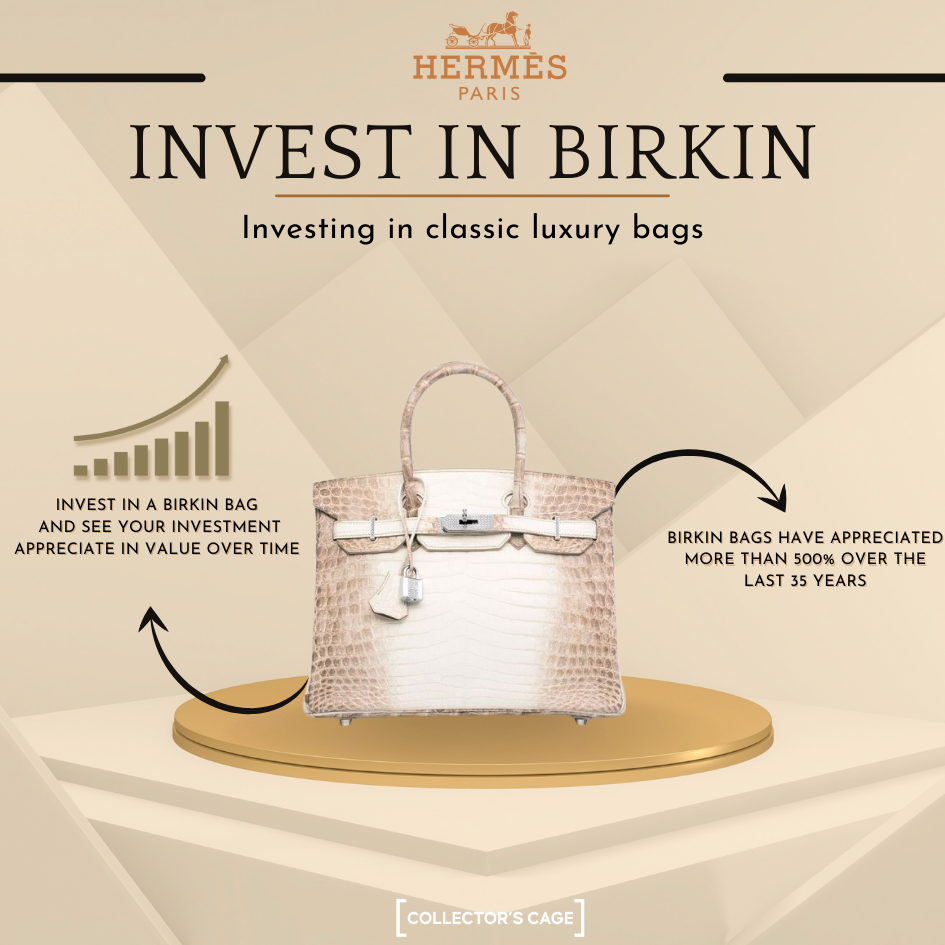
Birkin bags have outperformed traditional investments, delivering an average annual return of 14.2% between 1984 and 2015 - surpassing both the growth of gold and the S&P 500 index over the same period. The ultra-luxury market, including luxury goods such as Birkin bags, shows strong resilience against economic downturns, supporting the idea that Birkin bags are a stable investment asset.
With remarkable resale strength, particularly in Asian markets, pre-owned Hermès Birkin bags are highly sought after by collectors and often achieve prices that maintain or exceed their original value. Many view Birkin bags not merely as fashion accessories but as investment pieces, whose value appreciates over time and is expected to double within the next decade.
Where Can You Buy a Birkin Bag?
Interested buyers need to visit Hermès boutiques around the world, as Birkin bags aren't available directly through the Hermès website. Inside Hermès stores, Birkin bags aren't displayed openly - instead, customers may be invited to view available bags in a private room, at the sales associate's discretion.
Building a relationship with a Hermès sales associate is essential for anyone hoping to purchase a Birkin directly from the boutiques. To develop this kind of rapport, customers often need to shop across various departments, demonstrate genuine knowledge of Hermès' products, and dress the part. Hermès operates a quota system that limits customers to two Birkin or Kelly bags per year, though VIP clients may be offered the chance to place a special order.
Specialised luxury resellers such as Madison Avenue Couture offer a curated selection of authentic, pre-owned Hermès Birkin bags. Reputable resale platforms like The RealReal or Vestiaire Collective authenticate their items and provide another avenue for purchasing a Birkin. Auction houses known for handling luxury goods may also auction off authentic Hermès Birkin bags - it's important to confirm they have a solid reputation for authentication.
Buying directly from Hermès boutiques or authorised high-end department stores guarantees the authenticity of your Birkin bag.
Authenticating a Birkin Bag
Given the existence of counterfeit Birkin bags, authentication is essential to guarantee you're acquiring a genuine Hermès piece. Authentic Hermès Birkin bags feature:
-
A stamp with the year of production and the craftsman's ID code in a distinctive serif font, which should be crisp and clearly legible.
-
Distinctive stitch patterns with hand-made, diagonal stitches that are perfectly straight and even
-
The use of a visible orange thread that matches the leather
These characteristics are key indicators of a genuine Birkin bag.
Authentic Birkin bags also share the following traits:
-
Luxuriously supple leather that maintains a consistent colour and texture
-
A distinct, genuine leather scent
-
High-quality metal hardware and fittings, such as palladium or gold-plated locks, keys and a clochette.
-
The Hermès logo clearly engraved on the zip pulls
-
A serial number for verification
-
Engraved trademark logos
-
Consistency in design and detailing when compared to official product images
These features can help you determine the authenticity of a Birkin bag.
The Cultural Significance of the Birkin Bag
The Birkin bag has featured prominently in TV series such as "Sex and the City" and "Gossip Girl", cementing its place as an iconic object in popular culture. The Birkin has moved well beyond the fashion world, becoming a fixture of broader cultural conversation - including mentions in rap lyrics.
As a symbol of luxury, the Birkin bag remains closely tied to its namesake, actress Jane Birkin, which only reinforces its iconic status. Its high value on the secondary market and its appeal to counterfeiters further confirm the Birkin's role as a cultural icon and a representation of the very pinnacle of luxury.
The Birkin's design was born out of a chance encounter between Jane Birkin and Hermès' Jean-Louis Dumas, giving it a unique origin story that contributes to its cultural legacy. Although the Birkin has evolved in size and variation over the years, it has largely retained its original design, underscoring its enduring appeal and timelessness as a fashion staple.
Jane Birkin's complex relationship with the bag she inspired includes her efforts to use its success for charitable purposes, weaving luxury together with philanthropy.
Summary
To sum up, the Hermès Birkin bag, with its rich history, iconic status and exceptional craftsmanship, stands as a symbol of luxury and exclusivity. Its price, shaped by factors such as materials, craftsmanship, size, colour, rarity and condition, can range from around 13,500 dollars to a staggering 200,000 dollars. Celebrity influence, combined with strong investment potential, only adds to the bag's allure, turning it into far more than a fashion accessory - it's an asset that appreciates in value over time. Whether you're a devoted collector, a fashion enthusiast or an investor, the Birkin bag represents the pinnacle of luxury, style and craftsmanship, making it a truly worthy addition to any collection.
Frequently Asked Questions
How many different Birkin bags are there?
The Birkin bag comes in four standard sizes: Birkin 25, Birkin 30, Birkin 35 and Birkin 40. There's also a smaller size, the Birkin 20, which is available as a Limited Edition and can be found in exotic materials at the Paris boutique.
How do you read a Hermès bag code?
To read a Hermès bag code, you can refer to a chart showing the year of production and the corresponding letter stamped on the bag, framed within a specific shape based on the year. This can help you determine the bag's authenticity and age.
How do I identify my Birkin bag?
To identify your Birkin bag, look for the blind stamp, usually found on the inside of the closure straps, inside the front pocket, or at the top of the inside side panel. Check the specific model's blind stamp placement for accuracy.
What are the defining features of the Birkin bag's design?
The Birkin bag features two rolled handles, a front flap, "feet" and a lock closure, making it a practical design that remains just as popular today.
How did the Birkin bag come about?
The Birkin bag came about following a chance meeting between British actress Jane Birkin and Hermès CEO Jean-Louis Dumas on a flight from Paris to London in 1984, during which Birkin expressed her frustration at not being able to find a suitable leather weekend bag. Inspired by her needs and style preferences, Dumas decided to create a practical yet elegant leather bag.


2 Comments
I have a Hermes Birkin hand bag it has the number 68 stamped inside the strap i want to sell it it’s in excellent condition what would be the going price thanks Sharon
I want to know the price of the Birkin Cargo in the boutique