

Updated July 2026.
Figuring out where to buy a Louis Vuitton bag in 2026 can make a real difference to your wallet. Are the savings bigger in the USA, or does Italy/Europe offer the best value for money?
This definitive guide breaks down Louis Vuitton 2026 bag prices in the USA and Italy/Europe, giving you the financial insight to make an informed investment in a piece of timeless luxury design.
Key takeaways:
A 2026 price list of Louis Vuitton's iconic models, for the USA and Italy
The reason for price differences across regions
An exploration of the rising resale value of Louis Vuitton bags on the market
Strategies to secure the best deals
Understanding VAT refunds and tax-free shopping
The ultimate guide to the Louis Vuitton USA & Italy bag price list 2026
In 2026, Europe remains the most affordable region for buying Louis Vuitton bags, making it a favourite destination for luxury handbag enthusiasts.
The cheapest country for these iconic bags within the EU is fairly comparable across different EU countries, but varies when it comes to tax or VAT refunds for tourists.
LV's prices reflect the brand's European 2026 price list, which, based on past experience, typically sees 1 to 2 price increases throughout the year.
Price Comparison: USA vs Italy (Europe)
The price difference on LV items between countries can be attributed to a number of factors, including exchange rates, taxes, and import duties. For instance, a sudden shift in the exchange rate between the US dollar and the euro can have a significant impact on the final price of the bag for international customers.
Beyond exchange rates, tax systems in different countries have a considerable impact on the price of an LV bag. The EU, for example, operates a VAT system that can be refunded to non-EU residents, effectively lowering the final price of the bag.
The US, by contrast, has a variable sales tax system, where the tax added on top of the bag's final price can vary from state to state, but there is no VAT system in place.
Iconic Louis Vuitton Bag Models: 2026 Price Insights
Let's dive into the world of iconic Louis Vuitton bags and explore the 2026 prices for each of these timeless classics. From the Speedy to the Neverfull - every bag has its own unique price, shaped by factors such as design, materials, and size.
Louis Vuitton Speedy: Price Guide and Comparison
| Model | Europe | USA |
|---|---|---|
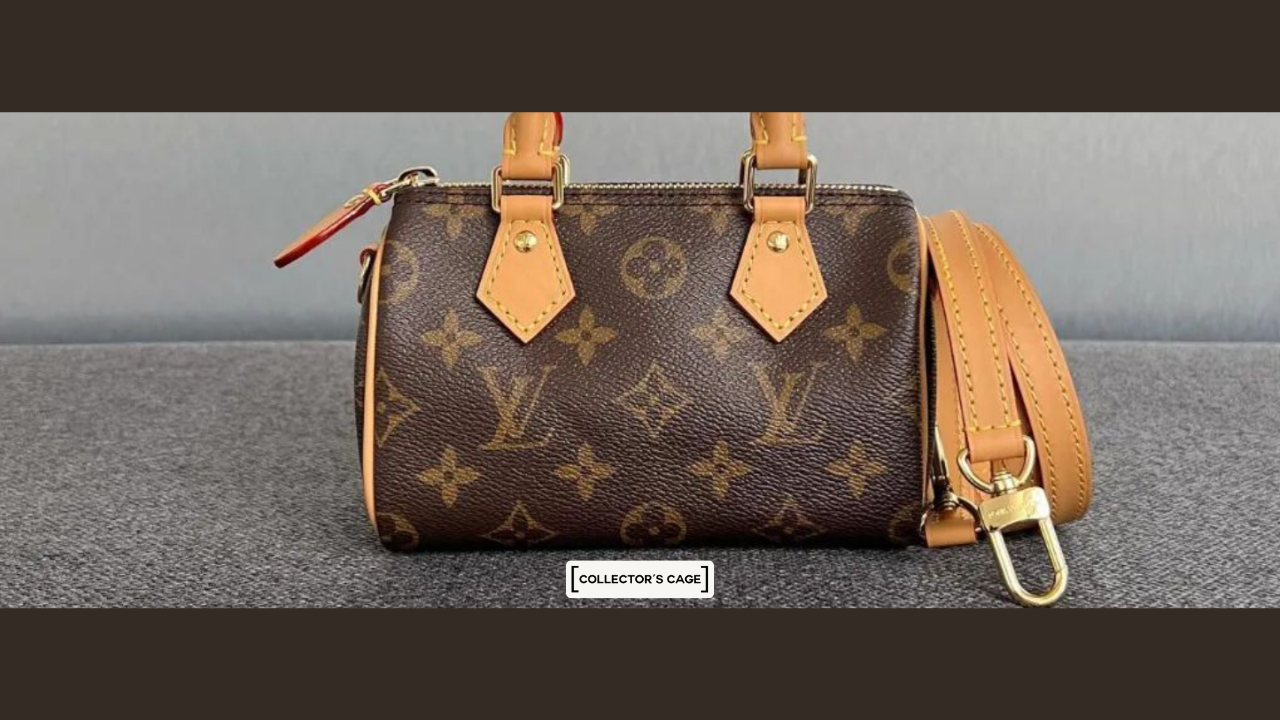
| Louis Vuitton Nano Speedy | €1,600.00 | $1,960.00 |
| Louis Vuitton Speedy Bandoulière 20 | approx. €1,850 | approx. $2,250 |
| Louis Vuitton Speedy Bandoulière 25 | €1,600.00 | $1,980.00 |
| Louis Vuitton Speedy Bandoulière 30 | €1,650.00 | $2,040.00 |
| Louis Vuitton Speedy Bandoulière 35 | €1,700.00 | $2,150.00 |
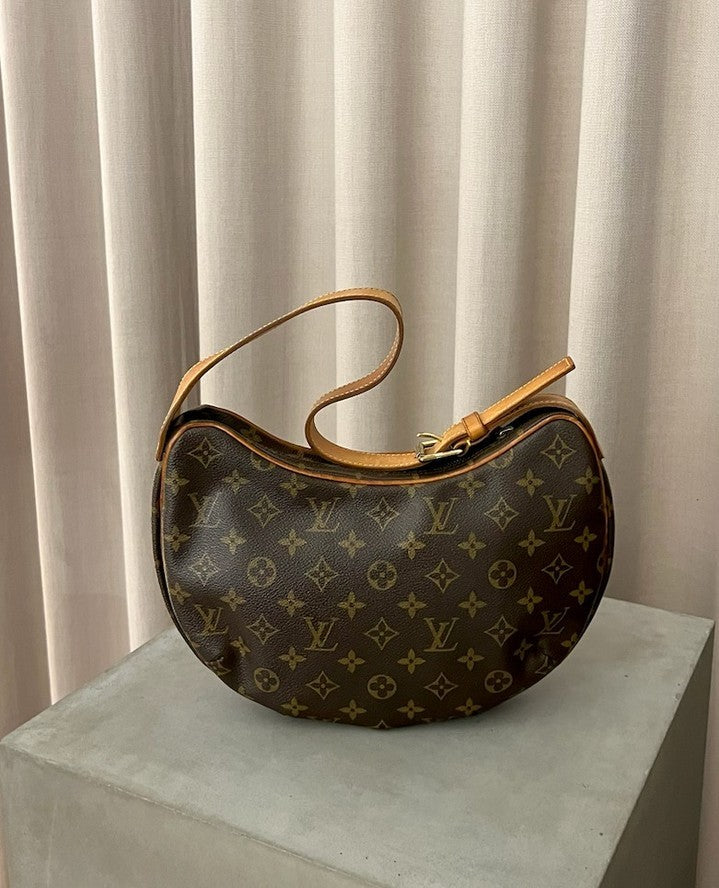
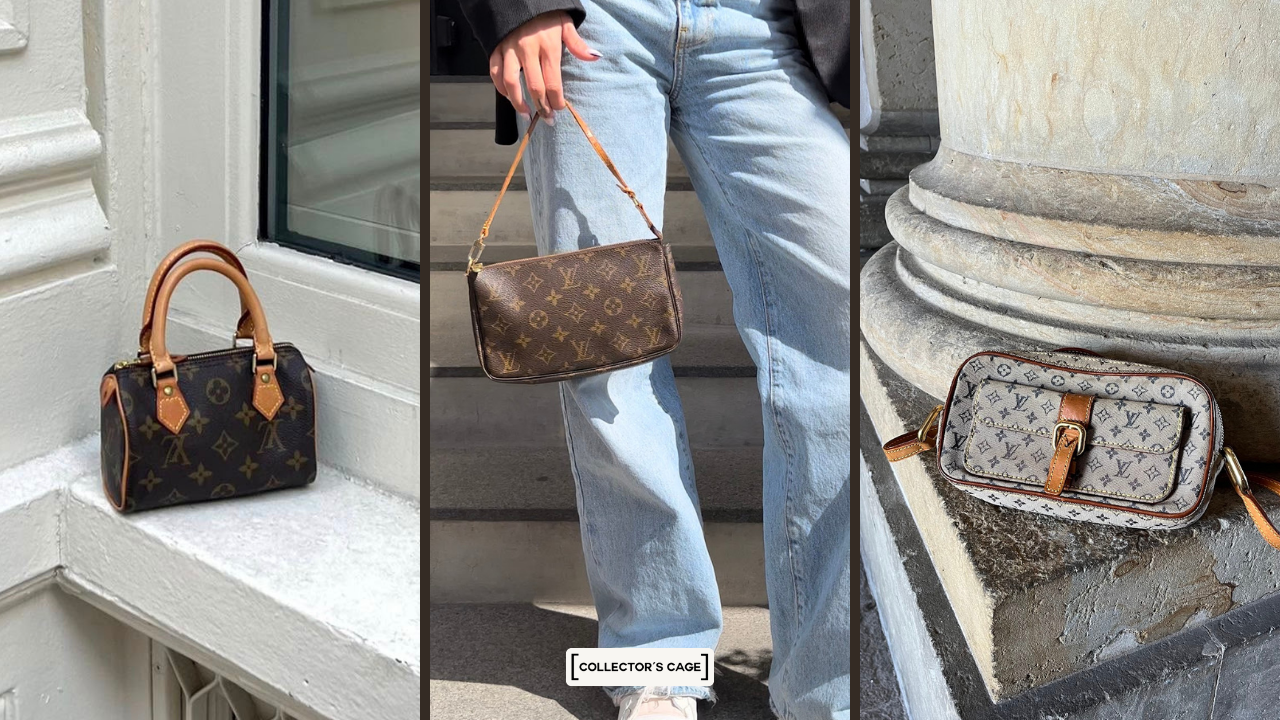
The Louis Vuitton Speedy, introduced back in the 1930s, remains one of the house's most iconic handbags. Known for its distinctive silhouette and signature Louis Vuitton monogram, the Speedy effortlessly combines style with everyday practicality.
If you're interested in a pre-loved, sustainable Louis Vuitton bag - where you'll often save 50% - be sure to browse our vintage selection of Louis Vuitton bags.
Louis Vuitton Neverfull: Price Guide and Comparison
| Model | Europe | USA |
|---|---|---|
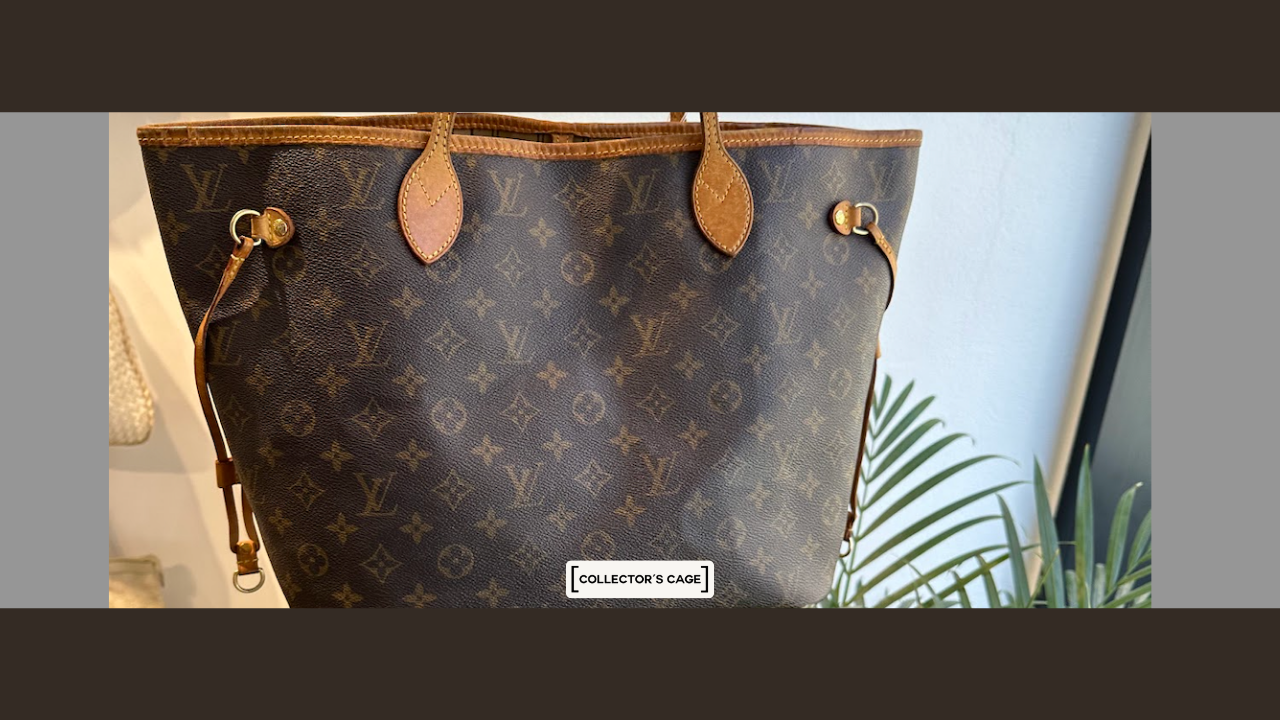
| Louis Vuitton Neverfull MM | €1,550.00 | $2,240.00 |
| Louis Vuitton Neverfull GM | €1,600.00 | $2,310.00 |
| Louis Vuitton Neverfull PM | €1,500.00 | $2,160.00 |
| Louis Vuitton Neverfull BB | approx. €2,400 | $2,900.00 |
The Louis Vuitton Neverfull, another iconic style from the house, truly lives up to its name with its generous capacity and versatile design. Whether you're after a stylish everyday tote or an elegant travel companion, the Neverfull offers a blend of luxury and functionality at a competitive price point.
Louis Vuitton OnTheGo: Price Guide and Comparison
| Model | Europe | USA |
|---|---|---|
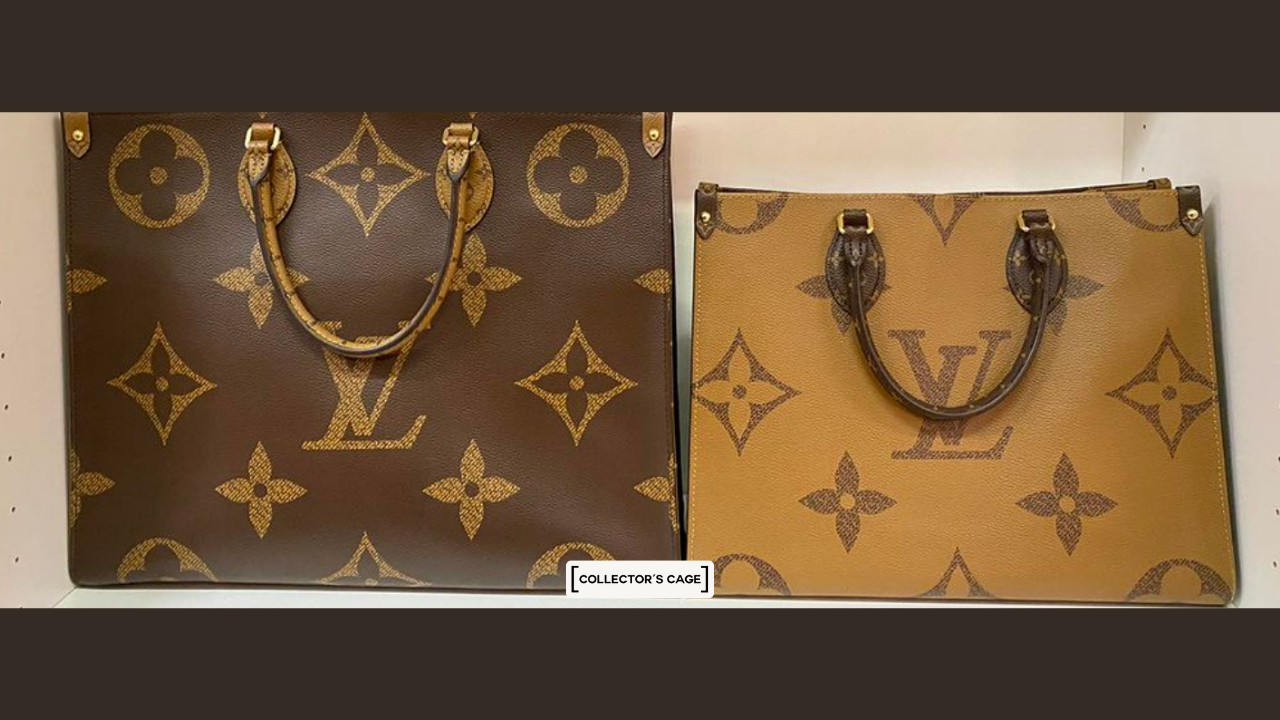
| Louis Vuitton OnTheGo GM Bag | €2,700.00 | $3,550.00 |
| Louis Vuitton OnTheGo PM Bag | approx. €2,600 | approx. $3,400 |
| Louis Vuitton OnTheGo MM Bag | €2,600.00 | $3,400.00 |
With its spacious interior and effortlessly chic exterior, the Louis Vuitton OnTheGo GM is a firm favourite among Louis Vuitton devotees. This bag strikes the perfect balance between style and practicality, making it a worthwhile investment for any luxury handbag lover.
Whether you're heading to the office or off on a weekend getaway, the OnTheGo GM is a dependable companion that brings together style, versatility and luxury.
Louis Vuitton Alma: Price Guide and Comparison
| Model | Europe | USA |
|---|---|---|
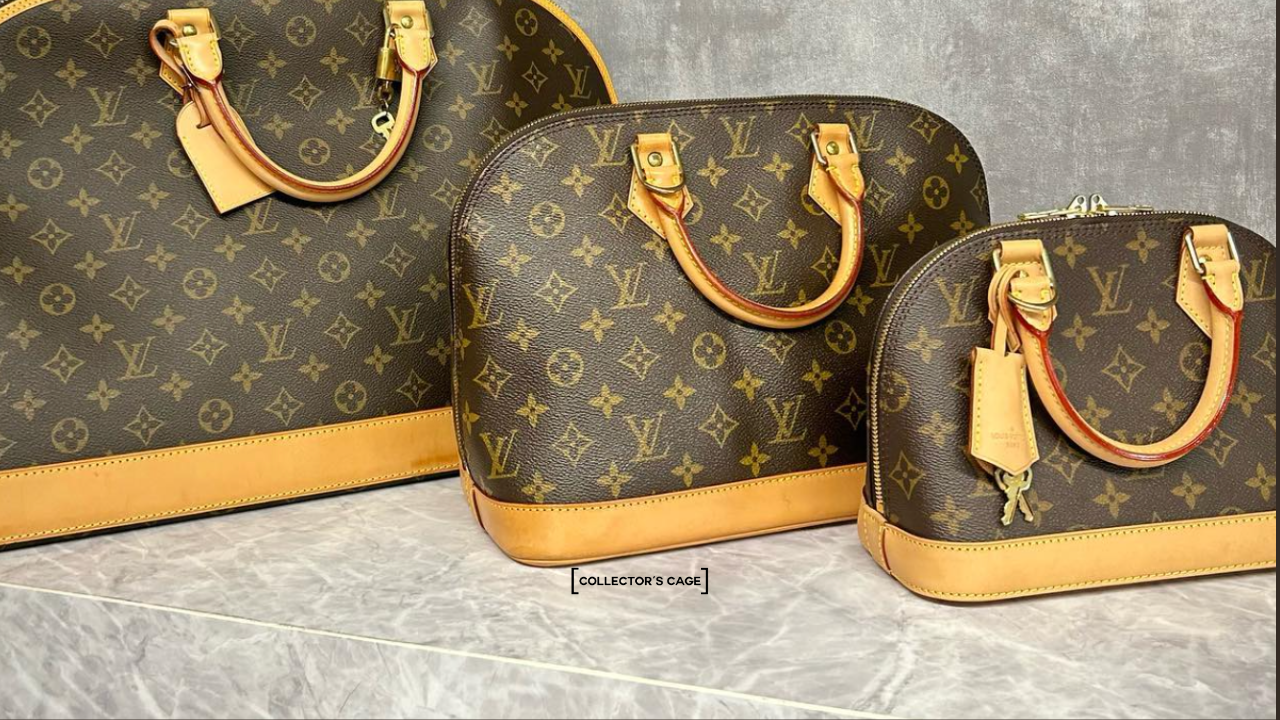
| Louis Vuitton Alma BB | €1,600.00 | $2,000.00 |
| Louis Vuitton Alma Nano | approx. €1,600 | approx. $1,900 |
| Louis Vuitton Alma PM | €1,700.00 | $2,150.00 |
Named after the Pont de l'Alma bridge in Paris, the Louis Vuitton Alma is a classic silhouette that has been part of the brand's collection since the 1930s. Its timeless design and enduring popularity make it a worthy addition to any handbag collection.
Louis Vuitton Pochette Accessoires: Price Guide and Comparison
| Model | Europe | USA |
|---|---|---|
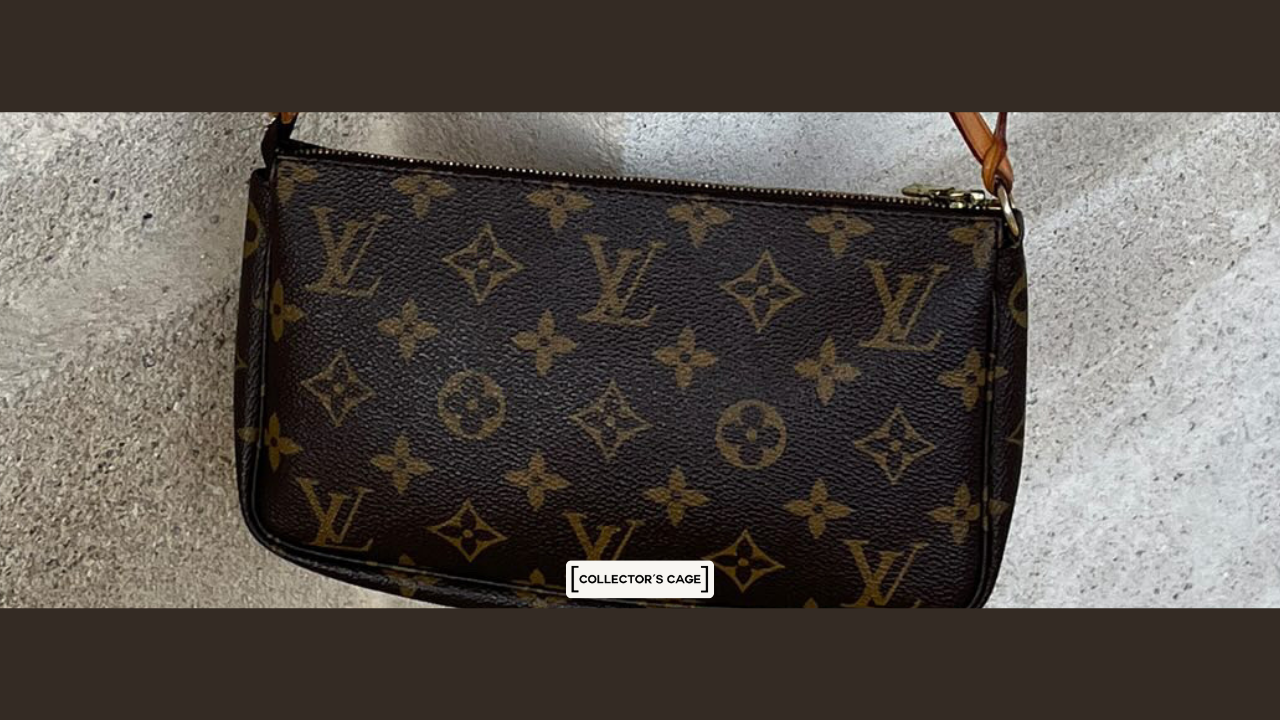
| Louis Vuitton Pochette Accessoires | approx. €1,400 | $1,660.00 |
| Louis Vuitton Multi Pochette Accessoires | €2,300.00 | $2,930.00 |
The Louis Vuitton Pochette Accessoires is a firm favourite among Louis Vuitton enthusiasts, doubling as a clutch or as a pouch to keep smaller essentials organised inside a larger bag.
Pricing for this versatile accessory varies depending on design, material and size, offering a range of options to suit different needs and budgets.
Louis Vuitton Noé: Price Guide and Comparison
| Model | Europe | USA |
|---|---|---|
| Louis Vuitton Noé BB | €1,650.00 | $1,900.00 |
| Louis Vuitton Nano Noé | approx. €1,600 | $1,800.00 |
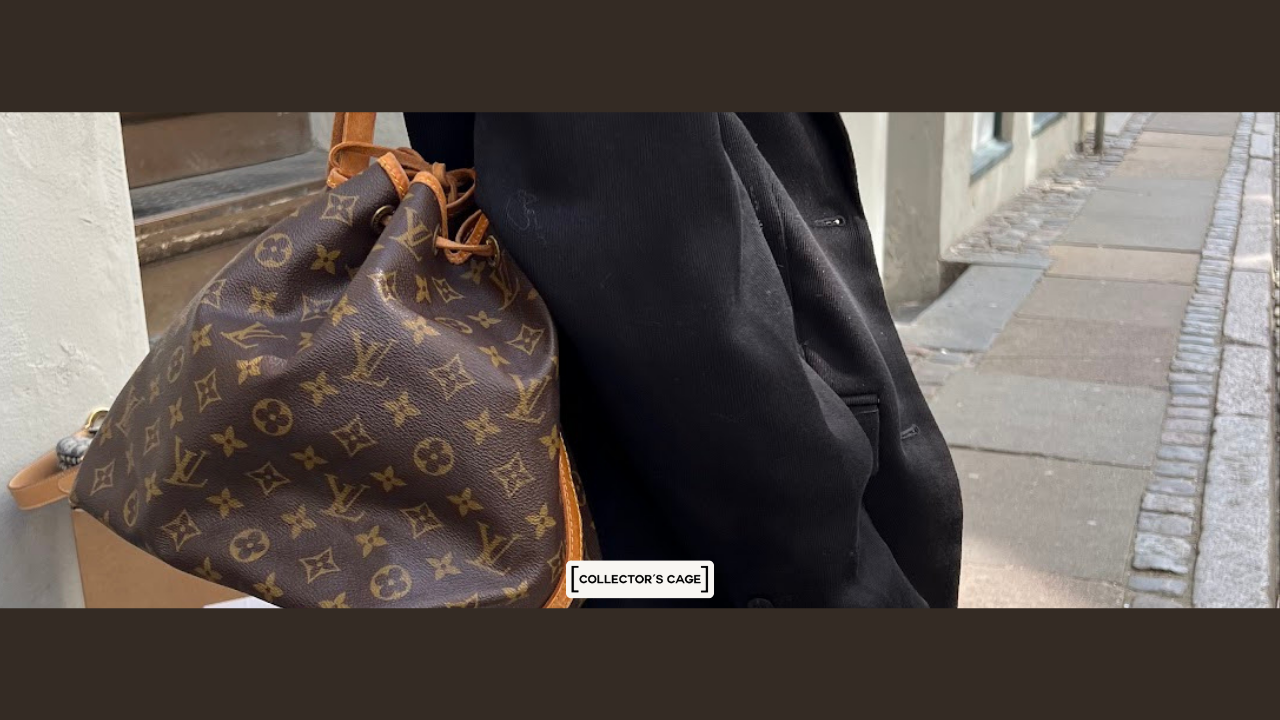
| Louis Vuitton Noé | approx. €1,700 | $2,010.00 |
Louis Vuitton Noé, one of the oldest models from Louis Vuitton, was originally designed to carry champagne bottles. Today, this iconic bag is celebrated for its distinctive shape and roomy interior, making it a favourite among those seeking a bag that's both stylish and practical.
The price of the Noé varies depending on factors such as size, material and design, so there's something to suit every taste and every budget.
Louis Vuitton Dauphine: Price Guide and Comparison
| Model | Europe | USA |
|---|---|---|
| Louis Vuitton Mini Dauphine | approx. €2,900 | approx. $3,550 |
| Louis Vuitton Dauphine Capitale | approx. €2,900 | approx. $3,600 |
| Louis Vuitton Micro Dauphine | approx. €2,000 | approx. $2,450 |
| Louis Vuitton Dauphine Compact Wallet | approx. €800 | approx. $1,100 |
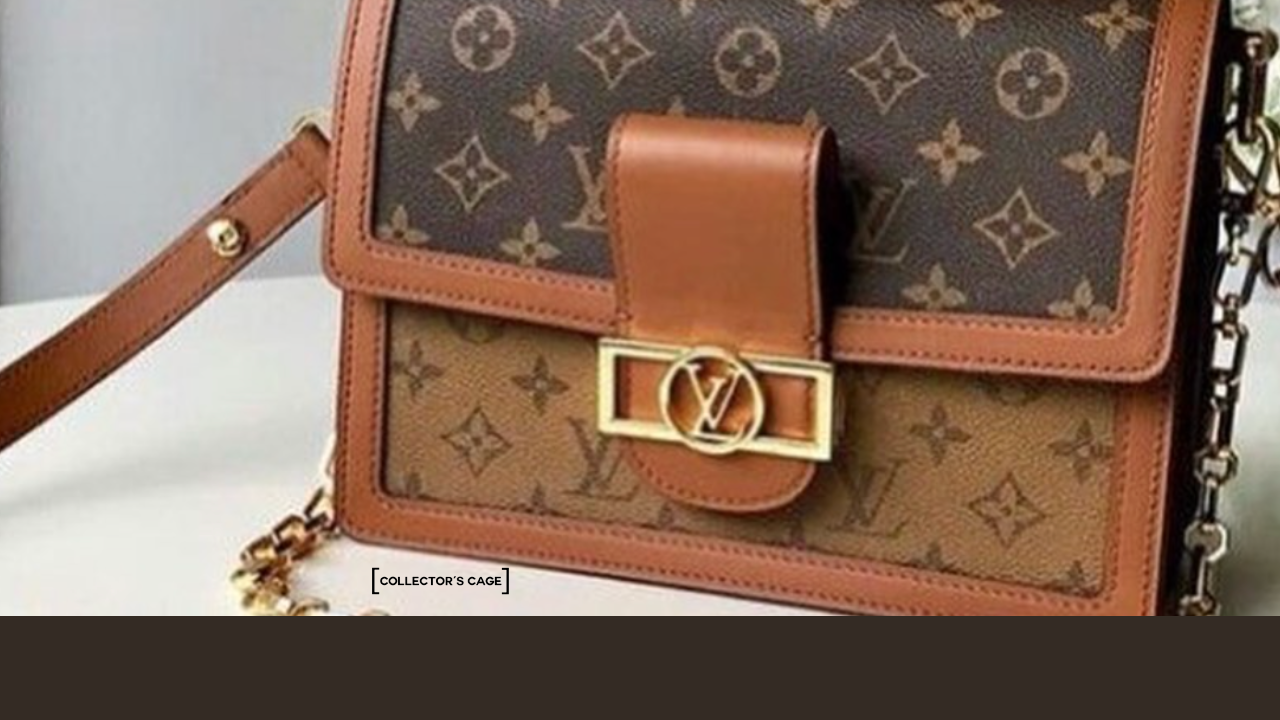
The Dauphine, a relatively new addition to the Louis Vuitton collection, has quickly gained popularity thanks to its sleek design and versatility.
Whether you're after a chic handbag for everyday use or a statement piece for special occasions, the Dauphine offers a blend of luxury and functionality with its signature monogram canvas design.
Louis Vuitton Coussin: Price Guide and Comparison
| Model | Europe | USA |
|---|---|---|
| Louis Vuitton Coussin PM | €4,000.00 | approx. $4,800 |
| Louis Vuitton Coussin BB | approx. €3,500 | approx. $4,300 |
| Louis Vuitton Coussin MM | approx. €4,400 | approx. $5,600 |
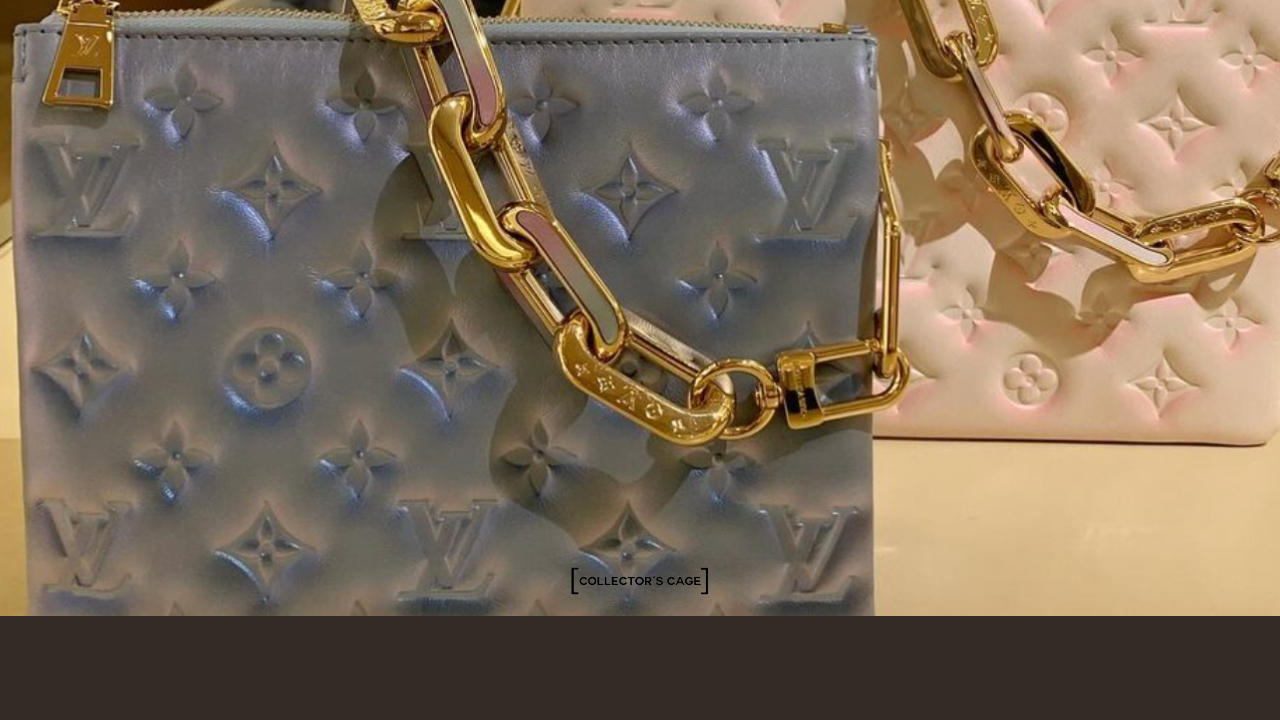
The Coussin, one of Louis Vuitton's more contemporary silhouettes, is instantly recognisable for its distinctive, cushion-like shape. Available in a variety of colours and materials, it offers a fresh, modern take on the classic handbag.
Pricing for the Coussin varies depending on design, material and size, giving plenty of options for those seeking a true statement piece that breaks away from more traditional handbag silhouettes.
Louis Vuitton Keepall Bags: Price Guide and Comparison
| Model | Europe | USA |
|---|---|---|
| Louis Vuitton Keepall Bandoulière 60 | €2,550.00 | approx. $2,850 |
| Louis Vuitton Keepall Bandoulière 55 | €2,500.00 | $2,780.00 |
| Louis Vuitton Keepall Bandoulière 50 | €2,450.00 | $2,710.00 |
| Louis Vuitton Keepall Bandoulière 45 | €2,400.00 | $2,650.00 |
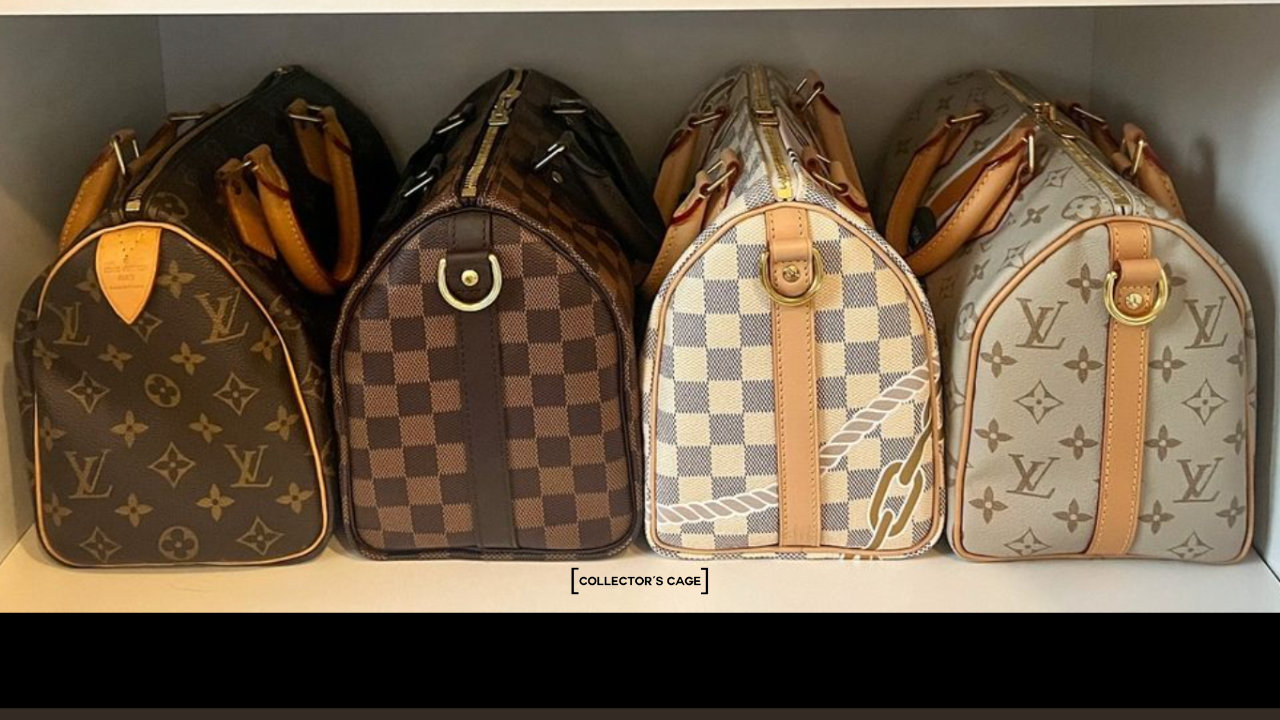
Louis Vuitton Keepall, a true Louis Vuitton classic, is a favourite for travel thanks to its spacious interior and durable construction. It comes in a range of sizes and materials, with prices to match.
Whether you're planning a weekend getaway or a long-haul holiday, the Keepall combines style, functionality and luxury in equal measure, making it a worthy investment for any travel enthusiast.
Louis Vuitton Petite Malle: Price Guide and Comparison
| Model | Europe | USA |
|---|---|---|
| Louis Vuitton Petite Malle Souple | approx. €2,800 | approx. $3,400 |
| Louis Vuitton Petite Malle | approx. €6,000 | approx. $7,300 |
| Louis Vuitton Petite Valise Malletage Palazzo Ecume | approx. €10,500 | approx. $12,900 |
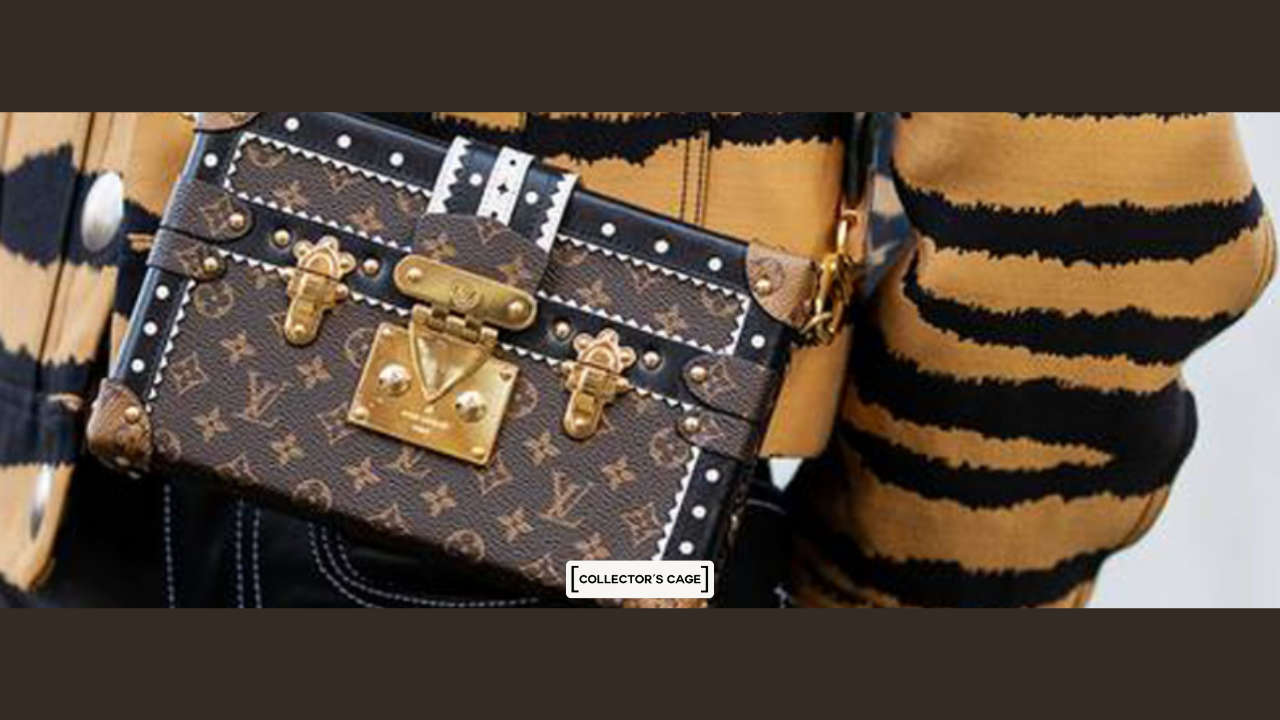
The Petite Malle, a miniature take on Louis Vuitton's iconic trunk, is a true statement piece that radiates luxury and refinement. Despite its compact size, this bag commands a considerable price tag thanks to its intricate design and meticulous craftsmanship.
The Petite Malle is the perfect choice for anyone seeking a unique piece of design that showcases Louis Vuitton's artistry and heritage.
Overview of Louis Vuitton Bags' Rising Market Value - The Last 50 Years
The value of Louis Vuitton bags has risen markedly over the past 50 years, reflecting the brand's enduring appeal and the growing demand for luxury handbags.
From the introduction of the Louis Vuitton Neverfull in 2007 up until today, LV bags have steadily increased in value, with prices more than tripling since launch.
On the resale market, LV bags also command high prices, with the Louis Vuitton Neverfull currently priced around 30% above retail.
Other iconic models, such as the Louis Vuitton Speedy and the Louis Vuitton Capucines, also enjoy stable resale values, underlining the strong secondary market for these luxury pieces.
Vintage and Limited Editions: A Price Guide for Collectors
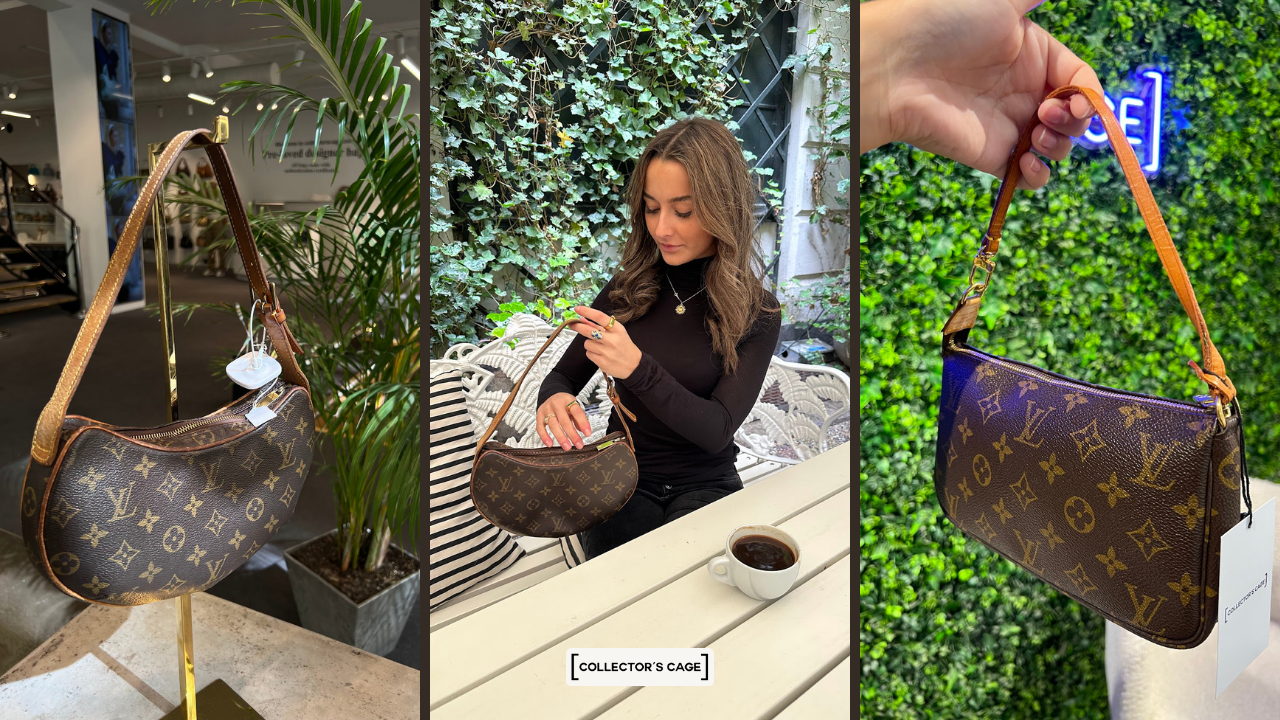
Louis Vuitton vintage pieces and limited editions hold a unique appeal for collectors. Vintage Louis Vuitton bags, defined as those that are 20 years old or more, or have been discontinued for 10 years or longer, average around $988.
Among the most valuable vintage Louis Vuitton bags for collectors are the Louis Vuitton Bella Bag and the Louis Vuitton Airplane Travel Bag.
On the other hand, limited edition LV bags can vary significantly in price, ranging from around $1,500 to over $5,000, depending on rarity and demand. To determine the value of a vintage Louis Vuitton bag, collectors can consult guides that help assess different models, or seek a professional appraisal for an accurate value estimate.
Securing the Best Deals on Louis Vuitton Bags in 2026
Securing the best deals on Louis Vuitton items, including the ever-popular Louis Vuitton bag, calls for strategic planning and a solid understanding of the market. In 2026, buying LV bags in Europe, particularly Hungary, can lead to significant savings thanks to a high VAT refund of between 14% and 19%.
Shopping during special events, such as Louis Vuitton's Valentine's Day sale, can offer discounts of up to 20% to 60% on selected Louis Vuitton items. Meanwhile, post-Valentine's sales can present further opportunities to snap up discounted pieces as the brand clears out seasonal stock.
Understanding VAT Refunds and Tax-Free Shopping
To make the most of your savings on a Louis Vuitton purchase, it helps to understand how VAT refunds work, along with tax-free shopping and the refund amount you may be entitled to. In simple terms, tourists visiting the EU can shop VAT free if they're travelling home or on to another country outside the EU.
The refund process involves paying the full price, including VAT, in-store, and later claiming the VAT back through specific procedures. Not every boutique offers tax-free shopping, though - those that do will display a sign indicating this service.
Navigating VAT and Tax Refunds Across Borders
Navigating VAT and tax refunds across borders can feel complicated, but understanding the differences can save you a considerable amount of money. Here are a few key points to keep in mind:
-
The VAT refund must be claimed at your final point of departure from the EU, which doesn't necessarily have to be the same country where you bought the goods. So if you buy a Louis Vuitton bag in Germany during your European trip and forget to claim the VAT refund there, you can still do so at your next EU destination.
-
The VAT and tax refund process can involve an administrative fee, which is deducted from the refund amount.
-
VAT and tax refunds can be processed either through an intermediary or directly by the boutique.
This system allows tourists to reclaim a significant portion of their spending, effectively reducing the final price of their purchase.
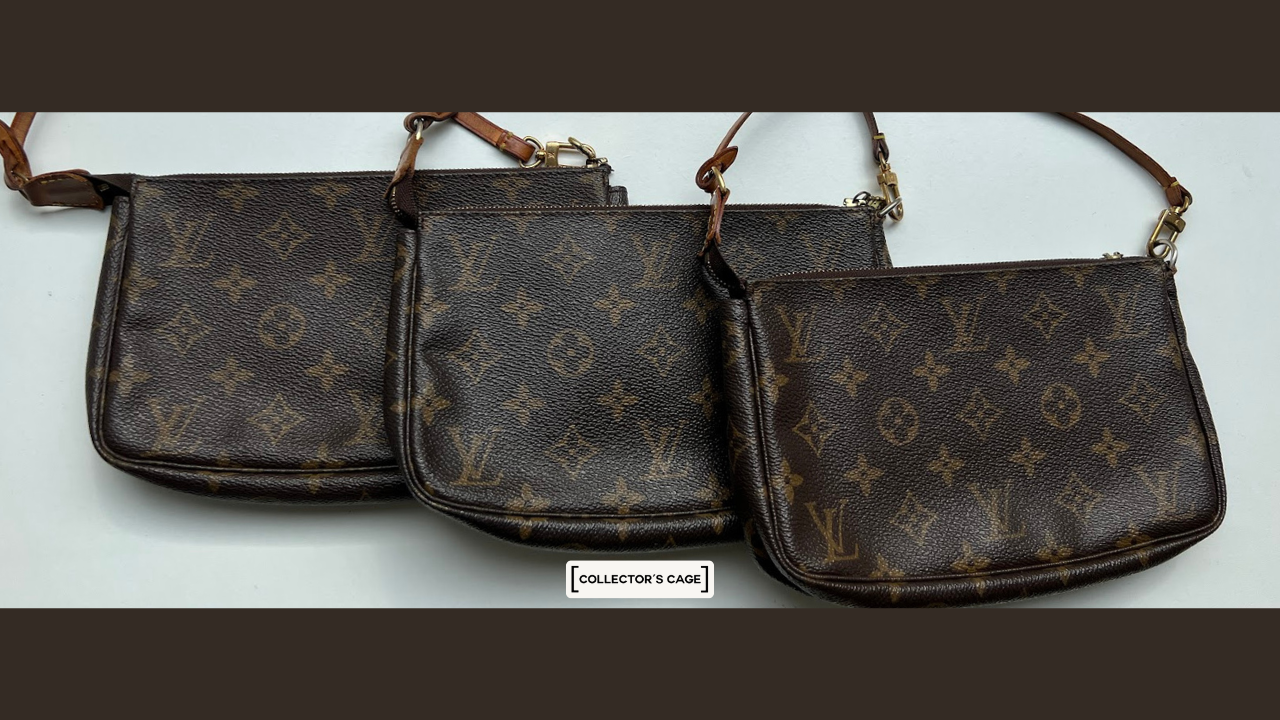
Where to Buy Louis Vuitton: In-Store vs. Online Prices
When deciding where to buy your LV bag, several factors come into play, including price, availability and authenticity.
Buying directly from Louis Vuitton boutiques in Paris or other flagship stores tends to be more economical, thanks to lower shipping-related costs and the absence of intermediaries. Shopping in-store also guarantees the product's authenticity and offers the unique experience of browsing a physical Louis Vuitton boutique.
Alternatively, you can shop via Louis Vuitton's official website or through authorised online retailers, where prices are usually the same as in physical boutiques. That said, online platforms may offer exclusive promotions or perks, including free shipping, which can add extra value to your purchase.
Despite some price variations across different purchasing channels, it's essential to buy through official and authorised channels to guarantee authenticity.
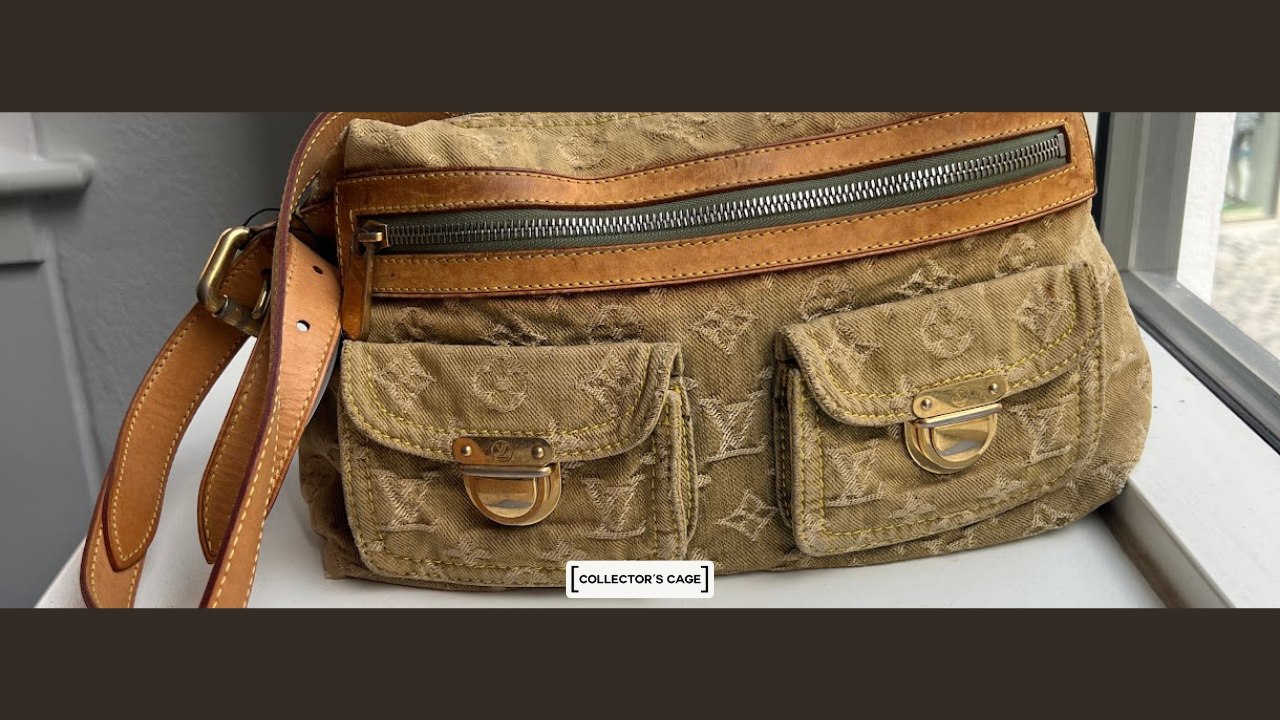
Comparing Prices Across Louis Vuitton's Men's and Women's Collections
Comparing the prices across Louis Vuitton's men's and women's collections can offer an interesting glimpse into the brand's pricing strategy.
While specific prices for the 2026 collections aren't detailed here, it's worth noting that Louis Vuitton, like many other luxury brands, prices its products based on factors such as design complexity, materials used and brand positioning.
The brand's pricing is also shaped by market trends and consumer demand. As a result, some Louis Vuitton pieces in the men's collection may be priced similarly to their counterparts in the women's collection, while others may show a significant price difference.
Ultimately, the price of a Louis Vuitton piece, whether from the men's or women's collection, reflects the brand's craftsmanship, design innovation and luxury status.
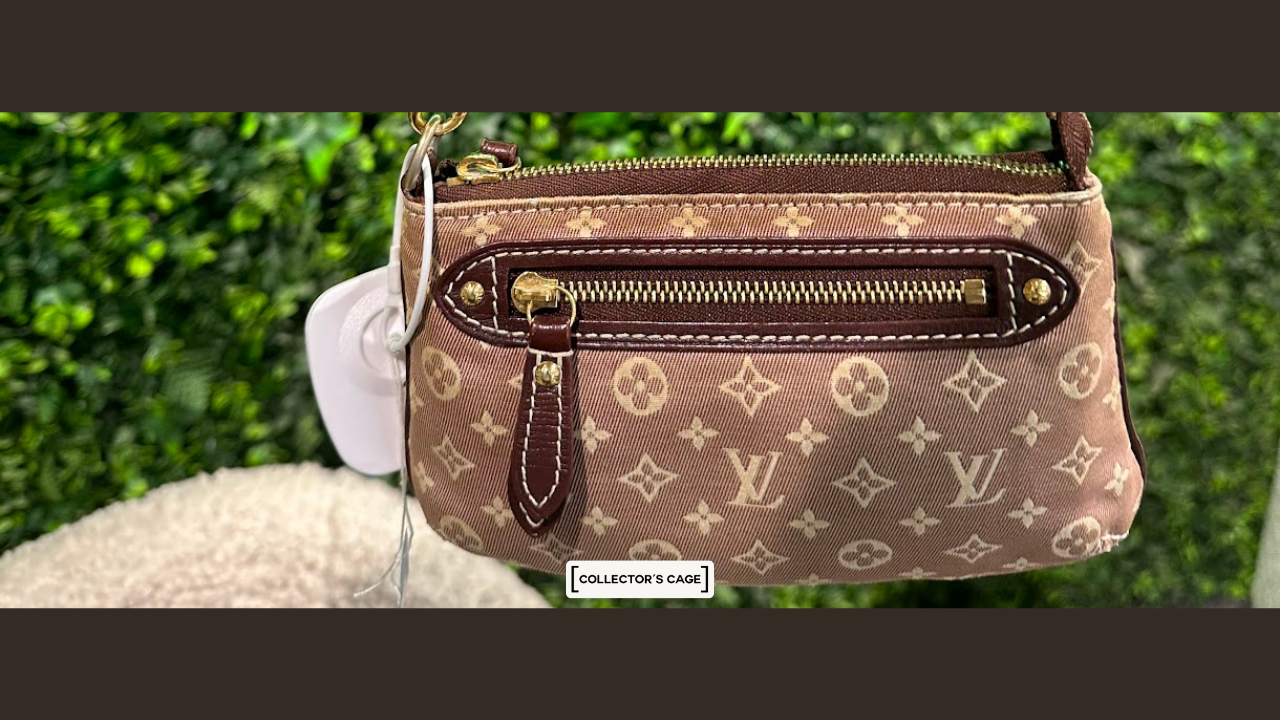
Getting the Most Out of Your Louis Vuitton Purchase
Owning a Louis Vuitton bag is only the beginning; getting the most out of your purchase requires proper care and maintenance to preserve the bag's value and longevity. Every Louis Vuitton bag calls for specific care based on its materials.
For example, natural vegetable-tanned cowhide leather, used in many Louis Vuitton bags, will develop a unique amber-toned patina over time. If it becomes stained, it's best to let the leather darken naturally rather than trying to clean it.
Exotic skins such as crocodile, python and lizard require protection from moisture and should not be cleaned with commercial cleaning products.
For printed canvas, avoid rough surfaces to prevent wear and fading. By following these care tips, you can ensure that your Louis Vuitton bag retains its beauty and value for years to come.
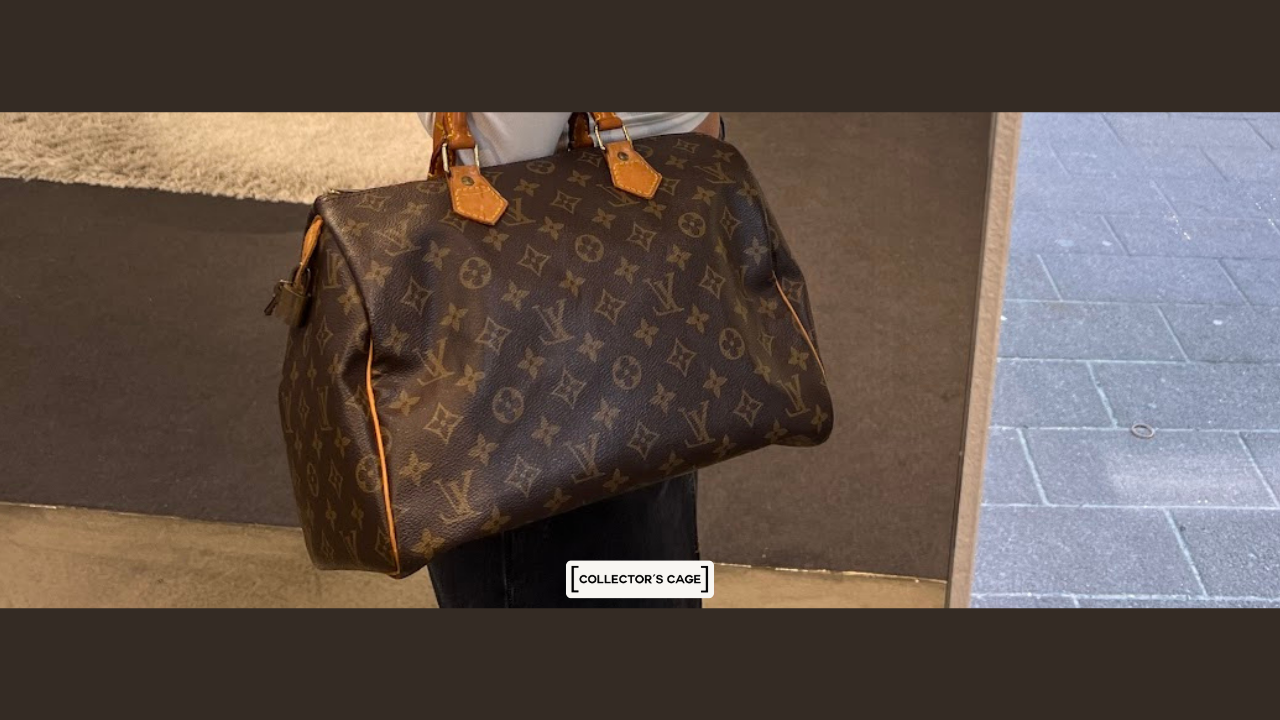
Summary
The world of luxury fashion is intricate and complex, and Louis Vuitton bags stand as symbols of elegance, craftsmanship and timeless style. Understanding the factors that influence price can enhance your shopping experience and help you get the most out of your investment.
Whether you're a seasoned collector or new to the world of exclusive handbags, knowledge is your most valuable tool. So the next time you admire a Louis Vuitton bag, remember the insights from this guide, and approach your purchase with confidence and know-how.
Frequently Asked Questions
Is LV cheaper in Italy or France?
The price of a Louis Vuitton bag is typically the same in Paris and Milan. Luxury brands generally set their prices globally, meaning the same Louis Vuitton bag will cost the same no matter which country or city you're in.
Which country has the cheapest Louis Vuitton?
The combination of these factors often makes the price of LV items in France lower than in other countries. While France leads the way, other European countries such as Italy and the UK also offer competitive prices thanks to similar VAT refund policies.
Where is LV cheapest in Europe?
To sum up, the cheapest place to buy Louis Vuitton in the world is Hungary in Europe, while the most expensive is Luxembourg. That said, if you're not planning a trip to Europe, other popular tourist destinations in Asia, such as Japan or South Korea, can still offer better prices compared to the US, Singapore and Malaysia.
Is a Louis Vuitton bag worth it?
Is a Louis Vuitton bag worth it? Louis Vuitton bags can be a smart investment, as they're among the few luxury brands that hold their value remarkably well over time. This is especially true if you take good care of it and store it properly. And if you manage to get your hands on a rarer, more unique model, it can either hold or even increase in value.
Is LV cheaper in Dubai or London?
Add to that the fact that Dubai has introduced 5% VAT plus a poor exchange rate on imported goods, and it means you can pick up a new Louis Vuitton for less almost anywhere in Europe, especially somewhere like Bicester Village in the UK.


13 Comments
I have a Louis Vuitton bag that was bought in 1970’s. I can’t fine anyone that can tell me if it’s real or not. How can I find out?
Nouveau – Neverfull Reversible
Sac Neverfull Inside Out MM
2 500,00€
Does this price includes VAT at CDG airport?
Nouveau – Neverfull Reversible
Sac Neverfull Inside Out MM
2 500,00€
Is this price includes VAT at CDG airport?
Nouveau – Neverfull Reversible
Sac Neverfull Inside Out MM
2 500,00€
Is this price includes VAT at CDG airport?
I’m curious, how much would some bags be in Hungary if you are using the Forint? (HUF)