

Guides

Goyard Saint Louis vs Artois vs Anjou: The Complete Size & Model Guide (2026)
Few bags cause as much quiet confusion as the Goyard tote. Line up a Goyard Saint Louis vs Artois and, at a glance, they seem to share the same hand-painted chevron canvas and the same relaxed, useful silhouette. Add the Anjou to the picture and even seasoned collectors sometimes pause. Yet these three totes are built differently, weigh differently, close differently, and sit at noticeably different price points. This guide untangles all of it. We'll walk through the construction, sizes and 2026 pricing of each model, then hand you a clear decision matrix so you can settle the Goyard Anjou vs Saint Louis question — and the Artois — with confidence. Whether you want the featherweight original or something more structured, here's everything you need before you buy. Key takeaways from this guide: The Saint Louis is the lightweight, unlined, reversible original — open-top and famously featherweight. The Artois is the structured, zippered evolution: it holds its shape and protects its contents. The Anjou is the leather-backed reversible — dressier, with more body, and the priciest of the three. Sizing runs roughly PM (smaller) to GM (larger), with an MM in the Artois line. Goyard doesn't sell online and prices are quote-only, so honest ranges matter more than exact figures. Pre-owned, authenticated pieces often beat retail waitlists — especially for discontinued colors. The Three Goyard Totes at a Glance The reason the Goyard Saint Louis vs Artois comparison trips people up is simple: all three totes wear the same Goyardine chevron canvas, so the family resemblance is strong. The differences live in the build, not the pattern. Here's the one-line identity for each, which is the fastest way to keep them straight: Saint Louis — the lightweight, reversible original. Open top, unlined, almost weightless. Artois — the structured, zippered sibling. Reinforced, protective, holds its shape. Anjou — the leather-backed reversible. A refinement of the Saint Louis idea, with more body and a dressier hand. ModelConstructionClosureReversibleWeight feelApprox. 2026 retail (EUR / US$) Saint LouisUnlined coated canvasOpen topYesFeatherweight€1,600–€2,600 / $1,700–$2,800 ArtoisStructured, reinforced baseTop zip + interior pocketNoFirm, medium€2,600–€4,000 / $2,800–$4,300 AnjouLeather-backed canvasOpen topYesMedium-heavy€2,800–€4,200 / $3,000–$4,500 A note on those numbers: Goyard famously keeps a discreet, no-e-commerce, price-on-request culture. There is no public price list, prices vary by boutique and region, and the house rarely comments on increases. That's why ranges are the honest approach here — anyone quoting a single exact euro figure is guessing. Goyard bags in stock right nowLouis vuitton BedfordGoyard Saint Louis PMMiu Miu Shoulder BagFendi BaguetteLouis vuitton Mini Accessories PochetteGucci Business BagFendi Mamma BaguettePrada Belt BagSee everything in stock → A Short History of the Goyard Tote Maison Goyard traces its roots to 1853 in Paris, when it took over an established trunk-making house on Rue Saint-Honoré. It is one of the oldest surviving luxury malletiers, predating a good many of the names it now shares a rarefied shelf with. The signature Goyardine chevron canvas, with its hand-painted interlocking Y-and-dot pattern, was introduced in 1892. That pattern — technically a hand-applied, layered print rather than a woven jacquard — remains one of the most recognizable yet understated codes in luxury. From trunks to the everyday tote The Saint Louis takes its name from the Île Saint-Louis, the Seine island at the heart of Paris. Goyard positioned it as the house's everyday reversible tote, and it quickly became the most recognized silhouette in the collection — the bag most people picture when they hear the name. The Artois and Anjou arrived as more structured interpretations, answering a real-world request: buyers loved the Saint Louis but wanted a version that closed, or that felt a touch more polished. The Artois added a zip and reinforcement; the Anjou added a leather-backed face. What made these totes a quiet-luxury icon is exactly what they lack: overt logos, loud hardware and shouting. The status is in the hand-finishing, the painted canvas and the fact that the people who recognize it don't need to be told what it is. Goyard Saint Louis: The Lightweight Reversible Icon If you buy only one Goyard tote in your life, statistically it will be a Saint Louis — and there's a good reason for that. Construction and character The Saint Louis is unlined and fully reversible: the coated canvas is finished on both faces, so you can flip it inside out to reveal a contrasting solid color. It has an open top, minimal internal structure and a small snap-in pouch. The defining trait is weight — or rather the near-absence of it. Empty, the bag feels like almost nothing. Sizes: PM vs GM (and the smaller variants) The core Saint Louis comes in two everyday sizes, PM and GM, with smaller Junior/Mini options and a taller Continental cut appearing over the years. SizeApprox. dimensions (W × H × D)Best for Mini / Junior~27 × 20 × 12 cmEssentials, evening, petite frames PM~39 × 30 × 17 cmEveryday carry, smaller builds GM~47 × 34 × 20 cmWork, travel, parent life Dimensions are approximate and vary slightly by production year, so always confirm against the specific listing. Weight, capacity and use case Because it's unlined, the Saint Louis practically disappears on the shoulder. It's the ideal daily carry, a superb travel companion (it folds flat in a suitcase), and it handles a laptop happily if you slip it into a protective sleeve. This is a bag that adapts to your day rather than dictating it. On the Saint Louis PM vs GM question: the PM suits everyday errands, lighter loads and smaller frames, while the GM is the workhorse for commuting with a laptop, travel and family duty. If you're between the two and plan to use it as your main tote, most buyers are happier sizing up to the GM. The trade-offs The Saint Louis is a purist's bag, and purity has a cost. There's no closure, minimal structure, and it goes slouchy when it isn't full. If security or a firm, standing shape matters to you, that's exactly where the Artois and Anjou enter the conversation. Goyard Artois: Structured and Zippered The Artois is the answer to everyone who admired the Saint Louis but wished it closed. Think of it as the security-minded, city-smart member of the family. Construction The Artois has a reinforced base, structured sides and a top zip closure, along with an interior pocket. It is not reversible — the trade you make for a bag that stands up on its own and keeps your belongings sealed away. Where the Saint Louis flops when empty, the Artois holds its shape. Sizes SizeApprox. dimensions (W × H × D)Best for PM~33 × 27 × 15 cmDaily use, tidy loads MM~40 × 30 × 17 cmCommuting, work GM~46 × 33 × 20 cmTravel, heavy days Weight and who it suits The Artois is heavier and firmer than the Saint Louis — that structure has to come from somewhere. It's the natural pick for city commuting, for anyone anxious about an open-top bag on a crowded train, and for people who like a tote that looks composed whether it's full or nearly empty. Because of the added construction, hardware and zip, the Artois sits above the Saint Louis on price, typically by a meaningful margin. Goyard Anjou: The Leather-Backed Reversible The Anjou is the most refined take on the reversible tote concept, and the one people most often confuse with the Saint Louis until they hold both. Construction Like the Saint Louis, the Anjou is reversible and open-top — but one face is leather-backed. Flip it one way for the Goyardine chevron; flip it the other for a clean, solid leather-look face. That two-in-one versatility is its signature party trick, and it gives the bag a dressier presence than the pure canvas Saint Louis. Sizes SizeApprox. dimensions (W × H × D)Best for PM~38 × 29 × 16 cmEveryday, dressier looks GM~46 × 33 × 19 cmWork, travel, statement carry Anjou vs Saint Louis Here is the crux of the Goyard Anjou vs Saint Louis decision: the leather backing gives the Anjou more body and a more polished drape, but it also makes it heavier and dressier. The Saint Louis remains the lightweight purist's choice — the bag you forget you're carrying. Choose the Anjou if you value versatility and a more finished look; choose the Saint Louis if weight and simplicity win the day. Predictably, the extra leather and finishing put the Anjou at the top of the price range among the three families. Head-to-Head: Size, Weight, Price and Use Case Here's the master decision table that pulls everything together. CriteriaSaint LouisArtoisAnjou WeightFeatherweightMedium-firmMedium-heavy ClosureOpen topTop zipOpen top StructureSlouchyStructuredSemi-structured ReversibleYesNoYes (leather-backed) Best useDaily / travelCommuting / cityDressy / versatile Approx. 2026 price (EUR / US$)€1,600–€2,600 / $1,700–$2,800€2,600–€4,000 / $2,800–$4,300€2,800–€4,200 / $3,000–$4,500 Which Goyard bag to buy — by lifestyle Featherweight daily & travel: Saint Louis GM. Nothing else disappears on the shoulder like it. Protective commuter: Artois MM. A tote that closes and stands up, for busy trains and cities. Dressy & versatile: Anjou PM. Two looks in one bag, polished enough for the office and beyond. How condition and color affect resale price On the secondary market, the biggest levers are canvas condition, color rarity and trim. Classic, endlessly available colors trade near their typical range, while discontinued or limited seasonal colors can command a premium. Painted-edge wear, canvas cracking at the folds and hardware tarnish all pull value down. For a deeper look at how Goyard is priced, our guide to decoding Goyard bag prices and appeal breaks the mechanics down further. Why Goyard Holds Its Value — and What to Look For Goyard's resale strength isn't an accident. Limited distribution, no online retail and hand-painted canvas keep supply tight and desire steady. Because you generally can't just order one online at 11pm, availability itself becomes part of the value — and that supports strong prices on the pre-owned market. What to inspect before you buy Chevron pattern alignment — the Y-motif should run cleanly and symmetrically, with logical alignment at seams. Hand-painted edges — trim and edges are hand-finished; look for even, deliberate application, not sloppy or plasticky lines. Stitching — consistent, tight and straight, particularly at handle anchors. Canvas wear — check the fold lines and base for cracking or lifting of the painted layer. Hardware — clean stamping, correct weight and finish. Tag / stamp — the embossed markings should be crisp and correctly placed. If you want to train your eye properly, our detailed walk-through on how to identify a fake Goyard bag is the resource to bookmark before any purchase. Why pre-owned often beats the waitlist Because Goyard operates on price-on-request retail and, in some cases, waitlists, the pre-owned route frequently gets you the exact size and color you want, immediately, and often below the current quoted retail. For discontinued colors, the secondary market may be the only route at all. Goyard bags in stock right nowGoyard Saint Louis PMGoyard PouchGoyard Saint Louis PMGoyard Artois MMGoyard Saint Louis GMGoyard Saint Louis PMGoyard Saint Louis GMGoyard Saint Louis GMSee everything in stock → Buying a Pre-Owned Goyard at Collector's Cage Every Goyard we offer is authenticated and one-of-one — you're seeing the actual bag, photographed as it is, not a stock image. New arrivals are added weekly, so the selection turns over regularly across models, sizes and colors. Pre-owned pricing typically sits below 2026 retail, and the gap can widen for discontinued colors that are simply no longer available through the boutique. That combination — real availability, transparent pricing, no waitlist — is what makes buying pre-owned so appealing for a house as tightly controlled as Goyard. Browse the current Goyard selection to see what's in stock right now. When you're choosing, let your lifestyle lead: pick the model by how you'll actually use it (open-top ease vs. zip security vs. dressy versatility), then size and condition by budget. Our authenticity guarantee stands behind every piece, so you can focus on finding the right bag rather than second-guessing whether it's genuine. If you enjoy this kind of side-by-side breakdown, our Louis Vuitton Speedy size guide takes the same approach to another icon worth knowing intimately. Frequently Asked Questions Which is better, the Goyard Saint Louis or Artois? Neither is objectively better — they solve different problems. The Saint Louis wins on lightness and reversibility, making it the ideal effortless daily and travel tote. The Artois wins on structure and security thanks to its zip closure and reinforced build, which suits commuters and city use. Choose based on whether you value weightlessness or protection. What is the difference between the Goyard Anjou and Saint Louis? Both are reversible, open-top totes, but the Anjou has a leather-backed face, so it's dressier, has more body and is noticeably heavier. The Saint Louis is unlined and featherweight — the purist's everyday bag. The Anjou also sits at a higher price point. Should I buy the Saint Louis PM or GM? Buy the PM if you carry light, prefer a more compact profile or have a smaller frame. Buy the GM if it's your main tote for work, travel or family life, especially if you carry a laptop. Buyers on the fence who want an everyday workhorse are usually happier sizing up to the GM. How much does a Goyard tote cost in 2026? Expect roughly €1,600–€2,600 (about $1,700–$2,800) for a Saint Louis, €2,600–€4,000 for an Artois, and €2,800–€4,200 for an Anjou. Goyard doesn't publish prices and quotes vary by boutique and region, so treat these as informed ranges rather than fixed figures. Is the Goyard Saint Louis heavy? No — it's the opposite. The Saint Louis is unlined and famously featherweight, which is its single most beloved trait. It practically disappears on the shoulder, and it folds flat for travel. If low weight is your priority, it's the clear choice among the three. Is it safe to buy a pre-owned Goyard? Yes, provided you buy from a reputable seller who authenticates each piece. At Collector's Cage, every Goyard is authenticated, one-of-one and backed by our authenticity guarantee. Given Goyard's tight distribution and price-on-request retail, pre-owned is often the smartest way to secure the exact model, size and color you want.

Louis Vuitton Speedy Size Guide: 25 vs 30 vs 35 (2026)
Few handbags have earned the kind of quiet, decade-spanning loyalty that the Louis Vuitton Speedy has. It is the bag you see on a Copenhagen café terrace, tucked under an arm on the metro in Paris, and photographed on the shoulders of collectors who bought their first one twenty years ago. But in 2026, choosing the right one is no longer just a matter of taste — following the latest Louis Vuitton price increases, which touched several house icons including the Speedy line, the gap between boutique retail and the pre-owned market has become impossible to ignore. This Louis Vuitton Speedy size guide is built to answer the question every shopper actually asks: 25, 30 or 35? We will walk through every size, the difference between the classic Speedy and the Speedy Bandoulière, the material lines that change both feel and price, and why buying pre-owned from an authenticated source has quietly become the smartest way to own this icon. Browse our Louis Vuitton collection as you read. Key takeaways from this guide: Four sizes matter: the Speedy comes in roughly 20, 25, 30 and 35 — from micro statement to travel-ready tote. Strap or no strap: the classic Speedy is handheld only; the Speedy Bandoulière adds a removable, adjustable crossbody strap. Best everyday size: the 25 and 30 are the sweet spot for most buyers — 25 for a neat daily bag, 30 for a workhorse. Materials change everything: Monogram and Damier canvas versus the structured, premium Empreinte leather. Pre-owned wins on value: with 2026 retail increases, an authenticated pre-owned Speedy often makes far more financial sense. The Speedy in 2026: Why Size (and Where You Buy) Matters More Than Ever The Speedy has always been an accessible entry into the house — historically one of the more attainable ways to own a genuine Louis Vuitton. That accessibility has narrowed. After the 2026 adjustments, a new canvas Speedy carries a materially higher ticket than it did just a few years ago, and the Empreinte leather versions sit higher still. That shift matters because the Speedy is one of the most produced and most traded bags in the resale world. A widening retail price means a widening opportunity on the pre-owned side — a well-kept Speedy bought secondhand can represent a genuine saving over boutique, sometimes on a discontinued colour or finish you simply cannot buy new anymore. Before you decide where to buy, though, you need to know what to buy. Across this guide we cover sizes 20 through 35, the classic versus Bandoulière question, and the Monogram, Damier and Empreinte material lines that define the modern range. A Short History of the Louis Vuitton Speedy The Speedy traces back to 1930 and the Express bag, a compact travel design conceived for an age when air and rail travel were speeding up and passengers wanted something lighter than a trunk. The rounded barrel shape, the twin top handles and the zip-top closure were all built for practical portability. The bag's transformation from luggage to everyday icon owes something to Audrey Hepburn. As the story goes, she asked Louis Vuitton for a smaller, more personal version of the travel bag — and the compact Speedy 25 was born, a size scaled for the hand rather than the trip. It became one of the defining "off-duty" bags of its era. What has kept the Speedy relevant is that silhouette. The soft, rounded barrel, the honey-toned vachetta handles and the recognizable Monogram canvas add up to a shape that reads instantly as Louis Vuitton without shouting. It is, by any measure, one of the most recognizable everyday bags the house has ever made — a point we explore further in our guide to Louis Vuitton's most iconic styles. Louis vuitton bags in stock right nowLouis vuitton Mini Accessories PochetteLouis vuitton Papillon 26Louis vuitton Hand BagLouis vuitton Soufflot MMLouis vuitton JulietteLouis vuitton Keepall 55Louis vuitton PouchLouis vuitton NaviglioSee everything in stock → Louis Vuitton Speedy Sizes Explained: 20, 25, 30 & 35 The number in the name is roughly the width of the bag in centimetres, which makes the range easy to picture once you know the pattern. Here is how each size behaves in real life. Speedy 20 — the micro statement The smallest of the modern line, the 20 is a mini bag first and a functional carrier second. It holds the essentials and looks polished on a petite frame. It almost always appears as a Bandoulière with a strap. Speedy 25 — the everyday classic The 25 is the size most people picture. Neat, hand-friendly and endlessly versatile, it carries a day's essentials without overwhelming a smaller build. This is the Hepburn heritage size. Speedy 30 — the workhorse The 30 is the do-everything size: roomy enough for a small tablet, a full wallet and daily extras, still compact enough to feel like a handbag rather than a tote. Speedy 35 — roomy and travel-ready The 35 tips into tote territory. It is the choice for those who carry more, travel with a personal item, or simply prefer a slouchier, fuller silhouette. SizeApprox. dimensions (W × H × D)In inches (approx.)Best for Speedy 2020 × 14 × 11 cm7.9 × 5.5 × 4.3 inMicro / statement Speedy 2525 × 19 × 15 cm9.8 × 7.5 × 5.9 inEveryday, petite frames Speedy 3030 × 21 × 17 cm11.8 × 8.3 × 6.7 inDaily workhorse Speedy 3535 × 23 × 18 cm13.8 × 9.1 × 7.1 inRoomy / light travel Note that Bandoulière versions share the same base dimensions as their classic counterparts — they simply add a removable strap and the extra leather tabs that anchor it. So a Speedy 30 and a Speedy Bandoulière 30 fit essentially the same amount inside. SizePhone + walletDaily essentials kitTablet / small laptop 20YesTightNo 25YesYesSmall tablet only 30YesComfortablyTablet, snug laptop 35YesComfortably + extrasYes Speedy vs Speedy Bandoulière: Do You Need the Strap? The single most important structural choice after size is whether you want the strap. The classic Speedy is handheld only — two top handles, no shoulder option. The Speedy Bandoulière adds a removable, adjustable strap that lets you wear it on the shoulder or crossbody, then tuck it away when you want the hand-carry look. What to look for in the hardware On a Bandoulière you will find the leather strap tabs and the D-rings or fixed anchors that a classic Speedy lacks. The strap itself is adjustable and detachable, usually finished in matching vachetta or coated canvas depending on the line. Practicality and styling For commuting, travel and anyone who values hands-free carrying, the Bandoulière is the obvious pick. The classic Speedy has a purer, more retro silhouette and appeals to those who love the original hand-held look. Many owners settle the debate simply: the strap can come off, but you cannot add one later. Resale note On the pre-owned market, Bandoulière versions tend to hold demand strongly precisely because of that flexibility. If value retention factors into your decision, the strap counts in the bag's favour. Materials: Monogram vs Damier vs Empreinte (and Seasonal Editions) The material line changes the bag's weight, patina behaviour, care routine and price. Here is how the three core options compare. Monogram canvas The original and most recognizable. Lightweight, remarkably durable coated canvas paired with natural vachetta leather trim on the handles and base tabs. That vachetta develops a honey patina over time — a beloved feature for some, a maintenance consideration for others, since untreated vachetta marks and darkens with handling. Damier Ebène and Damier Azur The checkerboard canvas comes in the deep brown Ebène and the pale summery Azur. A practical advantage: many Damier versions use less exposed natural vachetta, meaning less patina worry and a more forgiving everyday bag. Monogram Empreinte The premium option — embossed, grained calf leather that carries the Monogram in relief rather than print. It feels more structured and luxurious in the hand, and it sits at a noticeably higher price. Empreinte holds its shape well and skips the vachetta patina question entirely. Beyond these, Louis Vuitton regularly releases limited, collaborative and seasonal editions of the Speedy. These can be highly collectible, but they follow their own pricing logic — keep general expectations flexible here. MaterialLookPatinaWeightCareRelative price Monogram canvasClassic printVachetta patinasLightProtect vachetta€€ Damier EbèneDark checkerboardMinimalLightLow-maintenance€€ Damier AzurPale checkerboardMinimalLightWatch for colour transfer€€ Empreinte leatherEmbossed grained leatherNoneHeavierCondition the leather€€€ How to Choose Your Speedy Size by Body Type & Lifestyle Numbers on a page only get you so far. The right size depends on your frame, what you carry, and how you want to wear it. Petite frames On a smaller build, the Speedy 25 reads as a balanced, proportionate everyday bag — big enough to be useful, small enough not to swamp you. If you want a mini statement rather than a work bag, the 20 is charming and light. Taller frames and heavier daily loads If you are tall, or you routinely carry more, the 30 and 35 sit far more naturally. On a taller frame a 25 can look almost like a mini, while the 30 keeps its handbag proportions. Speedy 30 vs 35: the everyday-to-travel tipping point This is where the Speedy stops being a handbag and starts being a tote. The 30 is the largest size that still feels like an everyday bag; the 35 is best understood as a light travel or work companion. If you want one bag that does both, most people find the 30 the more wearable choice. Speedy 25 vs 30: the most common decision This is the real contest for most shoppers. Choose the 25 if you want a neat, elegant daily bag and pack light. Choose the 30 if you carry a tablet, a fuller wallet, or simply prefer not to think about capacity. Remember that both soften and slouch when full — the Speedy is an unstructured bag by design, so a heavily loaded 25 loses its shape faster than a 30 carrying the same items. Also weigh the strap question here: if you know you want hands-free wear, pick the Bandoulière in whichever size you land on. For more everyday carry ideas, our designer crossbody guide is a useful companion read. Why the Speedy Holds Its Value — and What to Look For The Speedy's iconic status and constant demand underpin one of the more reliable resale performances in the LV catalogue. It is recognizable, timeless and produced across enough variations that there is always a buyer for a good example. The 2026 retail increases only sharpen that appeal — as boutique prices climb, well-kept pre-owned pieces become more attractive by comparison. What to inspect before you buy Vachetta patina and cracking: even honey patina is desirable; deep cracks, splits or heavy water staining are not. Canvas corners: the most common wear point — check for fraying, lifting or exposed canvas backing. Handles: look for cracking at the fold points and darkening from handling. Zipper and pull: the zip should glide; the pull and hardware should be intact. Date code / heat stamp: confirm it is present and consistent with the model and era. Honest wear vs damage: a gently patinated Speedy is charming; structural damage is a different matter. Authentication is non-negotiable — the Speedy is among the most counterfeited bags in the world. If you are learning the details yourself, our expert guide to checking if a Louis Vuitton bag is real is the place to start. Buying a Pre-Owned Speedy at Collector's Cage At Collector's Cage, every bag is authenticated before it reaches you, each listing is a genuine one-of-one piece photographed as it actually is, and new arrivals land weekly. That combination matters on a bag as widely copied as the Speedy — you are buying a specific, verified item, not a stock photo. Pre-owned simply makes sense on an icon like this. The Speedy retains value well, so the depreciation you benefit from as a buyer is modest. You also gain access to discontinued colours and editions that are no longer available new, and you skip the boutique waitlist entirely — immediate availability on the exact size and material you want. When choosing, let condition guide your budget. A pristine, barely-carried Speedy commands a premium; a bag with an honest, even patina and clean corners offers excellent value while still looking beautiful for years. Both are legitimate choices — it comes down to whether you want a near-new look or the best price on a genuinely good bag. If you want to understand our standards before you buy, read more about Collector's Cage and our approach to authenticity. And if the Speedy is your gateway into the house, our guide to the best pre-loved Louis Vuitton bags is worth a look. Louis vuitton bags in stock right nowLouis vuitton Mini Accessories PochetteLouis vuitton Papillon 26Louis vuitton Hand BagLouis vuitton Soufflot MMLouis vuitton JulietteLouis vuitton Keepall 55Louis vuitton PouchLouis vuitton NaviglioSee everything in stock → Frequently Asked Questions What is the most popular Louis Vuitton Speedy size? The Speedy 25 and Speedy 30 are consistently the most popular. The 25 is the classic everyday choice, especially loved on smaller frames, while the 30 wins with buyers who want a little more capacity without moving into tote territory. What is the difference between the Speedy 25, 30 and 35? The number is roughly the width in centimetres. The 25 is a neat everyday handbag, the 30 is a roomier daily workhorse that fits a small tablet, and the 35 is the largest — best suited to light travel and heavier daily loads. They share the same silhouette; only the scale changes. Is the Speedy Bandoulière worth it over the classic Speedy? For most modern buyers, yes. The removable, adjustable strap adds hands-free wear for commuting and travel, and you can always take it off for the classic hand-held look. It also tends to hold demand well on the resale market, which is a bonus if value retention matters to you. Does the Louis Vuitton Speedy come with a shoulder strap? Only the Bandoulière versions include a strap. The classic Speedy is handheld only, with no shoulder option and no way to add one factory-fitted later — so if you want to carry it crossbody, choose the Bandoulière from the start. Which Speedy material is easiest to maintain — Monogram, Damier or Empreinte? Damier is often the most forgiving day-to-day, since it typically exposes less natural vachetta and shows less. Monogram canvas is durable but its vachetta trim patinas and marks over time. Empreinte leather skips the patina question but benefits from occasional conditioning and is heavier. Is a pre-owned Louis Vuitton Speedy a good buy in 2026? Yes — arguably more so than ever. With the 2026 retail increases widening the gap to boutique prices, an authenticated pre-owned Speedy offers strong value on a bag that holds its worth. You also gain access to discontinued colours and immediate availability, provided you buy from a source that verifies authenticity.

Prada Bag Prices 2026: The Complete Price Guide (US & Europe) — and Why Pre-Owned Wins
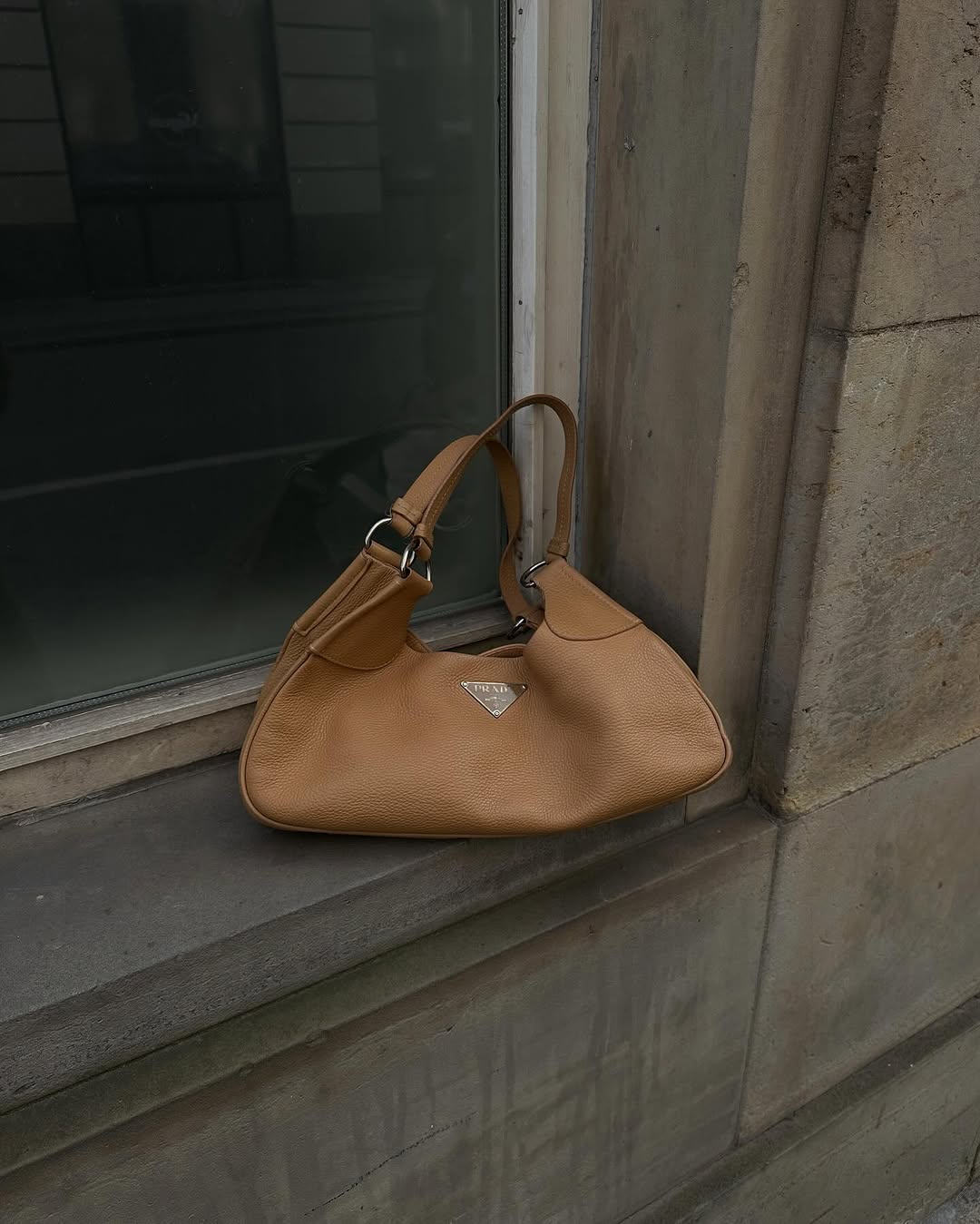
If you're researching Prada bag prices for 2026, here's the short answer: expect to pay roughly €900–€5,000+ (around US $1,000–$5,500+) at retail, depending on the line, the size and whether you choose nylon or leather. The most accessible end belongs to the Re-Nylon and Re-Edition shoulder bags; the top end is reserved for Galleria in leather, padded It-bags and exotic or limited editions. That's a wide spread, and it's precisely why a proper price guide matters. Prada's 2026 line-up is more design-led than it has been in years, with Galleria, Cleo and the padded Bonnie all driving fresh demand. In this guide we walk through Prada bag prices in 2026 model by model across the US and Europe — and show why buying pre-owned often makes far more sense for the very same bag. The key takeaways from this guide: Prada bag prices in 2026 range from roughly €900 to €5,000+ (US $1,000–$5,500+) depending on line and material. Galleria in saffiano leather sits at the heart of the line-up, with a medium typically around €3,000–€3,700 / $3,400–$4,200. Re-Nylon and Re-Edition bags are the entry point — trend-led and quick to sell on the pre-owned market. Bonnie and Cleo are the current It-bags; demand often outstrips boutique supply. Pre-owned Prada often lands 30–50% below retail, with access to discontinued colours and one-off pieces. Every piece at Collector's Cage is authenticated and backed by a lifetime guarantee of authenticity. How much does a Prada bag cost in 2026? The most honest answer to "how much does a Prada bag cost" is: it depends enormously on what you're buying. Prada is unusual among the luxury houses in spanning both accessible nylon icons and full-price leather status bags under the same triangle logo. That range is a strength, not a flaw — it allows the brand to speak to a first-time buyer and a seasoned collector at the same time. At the accessible end, a Re-Nylon shoulder bag or a small Re-Edition can start at around €1,000–€1,500. In the middle sit the structured leather bags — Cleo, small Galleria — in the €2,000–€3,300 bracket. At the top, medium and large Galleria bags in leather, the padded Bonnie and exotic or limited editions push well past €3,500, with special pieces reaching €5,000 and beyond. One thing worth knowing before you shop: prices in European boutiques are often lower than in the US once local tax structures are taken into account. Customers based outside the EU can frequently reclaim VAT on a purchase made in Europe, which widens the gap further. It's one reason the pre-owned market — and cross-border shoppers — keep a close eye on where a bag was originally sold. Prada bags in stock right now Prada Shoulder BagPrada Crossbody bagPrada Shoulder BagPrada Small CanapaPrada Belt BagPrada Double Buckle MessengerPrada Hand BagPrada Single Buckle Messenger See everything in stock → A brief history: how Prada became an It-bag house again Prada was founded in Milan in 1913 by Mario Prada as a luxury house for leather goods and travel accessories. For decades it was a respected but quiet name. The revolution came in the 1980s, when Miuccia Prada took the helm and did something no heritage house dared: she made industrial Pocono nylon the face of the brand. The black nylon backpacks and totes, marked only with the enamelled triangle, became a cult status symbol precisely because they were understated. Nylon was cheaper to produce than calfskin, yet Prada priced it as luxury, and the world agreed — it redefined what "expensive" could look like. Re-Nylon and the modern revival In recent years Prada has relaunched those icons as Re-Nylon, made from regenerated ECONYL yarn. The sustainability angle gave a new generation permission to fall for the nylon shoulder bag all over again, and the Re-Edition line — reissues of shapes from the late 1990s and early 2000s — rode the Y2K wave straight to the top of every wish list. Meanwhile, leather stole the spotlight. Galleria became shorthand for "the Prada bag," while the sleek Cleo and the padded Bonnie created genuine It-bag moments. Heritage plus a design-led revival is a powerful combination — and it is exactly what underpins Prada's strong resale interest today. If you're weighing up different houses, our Chanel price guide for 2026 makes a useful comparison. Prada Galleria price 2026 (US & Europe) Galleria is Prada's signature structured tote, instantly recognisable in cross-hatched saffiano leather with its twin top handles, detachable strap and triangle logo plaque. It's the bag most people picture when they think "Prada bag," and it anchors the leather line-up. Galleria comes in several sizes — micro, small, medium and large — which is the single biggest factor in the Galleria price. The micro is a jewellery-box mini; the medium is the everyday workhorse most buyers gravitate towards. Galleria size Approx. EUR retail Approx. USD retail Typical pre-owned range Micro €2,100–€2,500 $2,400–$2,800 €1,300–€1,800 Small €2,700–€3,200 $3,000–$3,600 €1,700–€2,400 Medium €3,000–€3,700 $3,400–$4,200 €1,900–€2,800 Large €3,400–€4,100 $3,800–$4,600 €2,200–€3,100 The figures above are approximate 2026 ranges and vary by colour, hardware and season. What makes Galleria a genuinely smart buy is the material: saffiano leather is treated to resist scratches and water, so it ages beautifully through years of daily use. A well-kept saffiano Galleria can look close to new long after purchase, which feeds directly into its resale value. Explore the current selection in the Prada collection to see how pre-owned Galleria prices compare with boutique retail in real time. Prada Re-Edition & Re-Nylon prices If Galleria is the leather status bag, the Re-Edition nylon shoulder bags are the accessible way into the brand. The Re-Edition 2005 (a compact shoulder bag with a top zip) and the Re-Edition 2000 (a slim, baguette-like hobo) are the two most sought-after shapes, each available in mini and standard proportions. Model Approx. EUR retail Approx. USD retail Pre-owned range Re-Edition 2000 mini €1,100–€1,350 $1,250–$1,500 €650–€950 Re-Edition 2000 (standard) €1,350–€1,600 $1,500–$1,800 €800–€1,150 Re-Edition 2005 mini €1,250–€1,500 $1,400–$1,650 €750–€1,050 Re-Edition 2005 (standard) €1,450–€1,750 $1,600–$1,950 €900–€1,300 The Re-Nylon story is central to these prices. By using regenerated nylon (ECONYL, made from reclaimed ocean plastic and textile waste), Prada positioned its cheapest material as a sustainability statement — and priced it accordingly. Details shift the price noticeably too: a crystal-embellished strap, leather trim or a special-edition colour can add several hundred euros to the plain black version. Because these bags are trend-setting and photographed endlessly, the nylon minis hold their appeal and sell quickly on the pre-owned market. They make an ideal first authenticated Prada — low entry price, high style return. For more Y2K inspiration, see our round-up of the best Y2K designer bags.Prada Cleo & Bonnie prices Two leather silhouettes define Prada's current It-bag momentum: the sleek Cleo and the padded Bonnie. Prada Cleo Cleo is a smooth brushed-leather shoulder bag with a curved, almost fluid profile that moulds to the body. It comes in several sizes — from mini to maxi — and in classic black as well as seasonal metallics and colours. Retail typically sits in the €2,000–€3,300 bracket depending on size and finish, while embellished variants and hobo models can reach higher. Prada Bonnie — price Bonnie is the padded chain-handle bag of the moment: soft nappa leather with a quilted, puffed body and a gold-tone chain. Its status as a fresh It-bag means demand routinely outstrips supply, so waiting lists and limited colour availability are common in boutiques. Expect the Prada Bonnie price to sit at roughly €2,900–€3,800 (US $3,200–$4,300) depending on size and leather. Model Material Approx. retail (EUR / USD) Pre-owned range Cleo mini Brushed leather €2,000–€2,400 / $2,300–$2,700 €1,250–€1,700 Cleo small/medium Brushed leather €2,600–€3,300 / $2,900–$3,700 €1,600–€2,300 Bonnie small Padded nappa €2,900–€3,300 / $3,200–$3,700 €2,000–€2,700 Bonnie medium Padded nappa €3,400–€3,800 / $3,800–$4,300 €2,300–€3,000 One useful pattern to understand: trend models command a premium when new, precisely because they are hard to get hold of. As soon as availability improves and the hype cycle matures, pre-owned prices settle — which means patient buyers can eventually own the same It-bag for considerably less. Why pre-owned Prada wins Across almost every model above, the pre-owned column tells the same story. Pre-owned Prada often lands 30–50% below retail, depending on model, condition and rarity. On a medium Galleria that can mean a difference of well over €1,000 for a bag that, in saffiano, often presents close to new. The saving is only half the pleasure. The resale market is also where you find the pieces you can't buy new: discontinued colours, retired hardware, seasonal Re-Edition prints and genuinely one-off bags. If you have ever fallen for a colour combination that boutiques no longer carry, pre-owned is the only route. Authentication is everything The single risk that keeps buyers away from the resale market is authenticity — and it is a solved problem when you buy from a specialist. Every Prada piece at Collector's Cage is authenticated and covered by a lifetime authenticity guarantee. If you would like to understand the process yourself, our guide to Prada authentication walks you through exactly what the experts check. New arrivals land every week and the catalogue runs deep — you can browse thousands of authenticated Prada pieces in the Prada collection right now. Customers comparing houses often read our Chanel bag price guide alongside this one, and shop across Louis Vuitton, Gucci, Bottega Veneta and Fendi before deciding. Prada bags in stock right now Prada Shoulder BagPrada Crossbody bagPrada Shoulder BagPrada Small CanapaPrada Belt BagPrada Double Buckle MessengerPrada Hand BagPrada Single Buckle Messenger See everything in stock → What to look for when buying pre-owned Prada Buying pre-owned with confidence comes down to knowing what to inspect. Even when you are buying from an authenticated seller, understanding condition helps you judge value. Condition checklist Saffiano corners: the cross-hatched leather is hard-wearing, but the corners are the first place to show wear. Watch for flaking or exposed edges. Frayed nylon: on Re-Nylon and Re-Edition bags, check the base seams and strap edges for fraying or pilling. Zip pulls and hardware: Prada's zips should glide easily; the metal triangle and any Prada-engraved hardware should feel solid. Enamelled triangle logo: the enamel plaque should be crisp, evenly coloured and correctly positioned — a common giveaway on fakes. Lining: inspect the interior for the correct jacquard or nylon lining and clean stitching. Which models hold their value best Not every Prada bag depreciates at the same rate. The saffiano Galleria and the classic nylon Re-Edition shapes are the strongest value holders — timeless, hard-wearing and consistently in demand. Highly trend-led or novelty pieces (bold seasonal prints, very specific It-bag colours) can lose value faster once the hype fades, which is good news if you are the patient buyer picking them up pre-owned. Documentation and codes Where possible, look for the original authenticity card, dust bag and any accompanying documentation. Prada bags carry identifying codes and factory markings, and a reputable seller verifies these as part of the authentication process. The presence of documentation can also lift resale value later on. Ultimately, buying from an authenticated specialist removes the one variable that stops most people shopping pre-owned. With the risk of a fake out of the picture, pre-owned Prada is simply the smarter way to buy the same bag — for less. Frequently asked questions How much does a Prada bag cost in 2026? In 2026, Prada bag prices range from roughly €900–€5,000+ (around US $1,000–$5,500+). Nylon Re-Edition and Re-Nylon bags sit at the accessible end, while leather Galleria bags, the padded Bonnie and exotic or limited editions occupy the top of the range. Size and material are the biggest price drivers. How much does a Prada Galleria cost in the US vs Europe? A medium saffiano Galleria typically retails at around €3,000–€3,700 in Europe and roughly $3,400–$4,200 in the US. European prices are often lower after tax adjustments, and customers outside the EU can usually reclaim VAT, which widens the gap. Pre-owned, the same bag frequently runs €1,900–€2,800. How much is the Prada Bonnie bag? The Prada Bonnie price generally sits at around €2,900–€3,800 (US $3,200–$4,300) at retail, depending on size and leather. As a current It-bag, demand often outstrips supply, so boutique availability can be limited. Pre-owned examples typically fall in the region of €2,000 to €3,000. Are Prada Re-Nylon bags cheaper than leather? Yes. Re-Nylon and Re-Edition bags are Prada's most accessible line and usually start at around €1,000–€1,750, well below comparable leather models. Despite the lower price, they have strong trend appeal and sell quickly on the pre-owned market. Do Prada bags hold their value? The strongest value holders are the saffiano Galleria and the classic nylon Re-Edition shapes, thanks to their durability and consistent demand. Highly trend-led or novelty pieces can lose value faster once the hype cools. Buying an iconic model in good condition gives you the best resale prospects. Is it safe to buy pre-owned Prada online? It is safe when you buy from an authenticated specialist. At Collector's Cage every Prada piece is authenticated and covered by a lifetime authenticity guarantee, which removes the risk of fakes entirely. You can also learn the tell-tale signs yourself in our guide to Prada authentication.

Chanel Bag Prices 2026: Full Price Guide (US & Europe) + Why Pre-Owned Wins
The Chanel bag price in 2026 has once again shifted upward, following the brand's April increase and continuing a trajectory that has defined the past decade. For anyone weighing a first Classic Flap or adding a Boy Bag to a growing collection, the question is no longer simply which Chanel to buy — it's whether to pay full boutique retail at all. This guide lays out current approximate retail across the United States and Europe for the core Chanel line-up, explains what the 2026 increase actually changed, and makes the honest case for the pre-owned route. At current prices, an authenticated second-hand Chanel frequently delivers the same iconic bag for meaningfully less than the boutique — and sometimes in a leather or colourway you simply can't buy new anymore. Key takeaways from this guide: A Medium Classic Flap now sits in the region of USD 11,000–11,500 / EUR 10,500–11,000 after the 2026 increase. The April 2026 rise added roughly 3–8% to most core models, extending a decade-long climb. The Boy, 19, 22, and the newer 25 offer different price entry points and personalities. Chanel's Medium Flap has roughly tripled over the last 10–12 years, outpacing general inflation. Authenticated pre-owned Chanel often lands below current retail — and unlocks discontinued colours and hardware. All figures here are approximate boutique retail and vary by region, leather, and hardware. Chanel Bag Prices in 2026: What Changed and What It Costs Now Chanel does not publish a global price list, and figures move by region, currency, VAT, and even boutique. Everything below is approximate 2026 retail, intended as a realistic map rather than a to-the-euro quote. Leather choice (caviar vs lambskin) and hardware finish also nudge prices within each range. The April 2026 increase is best understood not as a one-off but as the latest step in a long, deliberate trajectory. Chanel has raised prices multiple times a year for most of the last decade, positioning its handbags closer to Hermès territory and cultivating scarcity. For buyers, that pattern is exactly why the resale market has become so compelling. This guide covers the models that matter most: the Classic Flap, the Boy Bag, the Chanel 19, the Chanel 22, and the newest addition, the Chanel 25. You can browse the full range at our Chanel collection. Chanel bags in stock right nowChanel Medium BoyChanel Medium BoyChanel Matelassé FlapChanel Medium BoyChanel Medium BoyChanel Medium BoyChanel Medium BoyChanel Medium BoySee everything in stock →How Much Is a Chanel Bag in 2026? The honest answer to how much is a Chanel bag is: anywhere from around USD 5,000 for a Wallet on Chain up to USD 13,000+ for a Maxi Classic Flap or a seasonal, embellished piece. Chanel's line-up climbs a clear price ladder, and knowing where each model sits helps you budget with intent. At the entry end you'll find small flaps, card holders on chains, and the Wallet on Chain (WOC). The middle band is dominated by the Boy, the 19, and the 22. At the top sit the Jumbo and Maxi Classic Flaps and limited seasonal designs. ModelApprox. US retail (USD)Approx. Europe retail (EUR) Classic Flap — Small10,000–10,5009,500–10,000 Classic Flap — Medium11,000–11,50010,500–11,000 Classic Flap — Jumbo12,000–12,80011,500–12,200 Classic Flap — Maxi12,800–13,50012,200–13,000 Boy Bag (Old Medium)7,000–7,8006,600–7,300 Chanel 19 (Small/Medium)7,000–8,2006,600–7,800 Chanel 22 (Small/Medium)7,500–8,8007,000–8,300 Chanel 25 (Small/Medium)7,200–8,5006,800–8,000 A key caveat: European prices often look lower on paper, but VAT is included, and non-EU visitors may reclaim a portion at departure. US prices exclude local sales tax. Currency swings can flip which region is "cheaper" from month to month, so treat cross-region comparisons as directional. The April 2026 Chanel Price Increase Explained The Chanel price increase in 2026 touched most of the core leather-goods range. Based on the adjustments seen across boutiques, the core Classic Flap and Boy models rose by roughly 3–8%, with some smaller accessories and seasonal pieces moving at the higher end of that band. These are approximate figures — Chanel adjusts by region and sometimes by individual reference. This is entirely in keeping with the brand's behaviour over the past decade, where two or even three increases within a single year have not been unusual. Chanel frames these moves around production costs, exchange rates, and a strategy of "harmonising" prices globally — but the practical effect is a steadily rising floor. Every increase widens the gap between boutique retail and the resale entry point. When a Medium Flap climbs another few hundred euros, the pool of authenticated pre-owned examples — many bought at prior, lower prices — suddenly looks even more attractive relative to the counter. For a broader view of how the whole luxury sector behaves here, our guide to luxury bag brand price increases is a useful companion read. Chanel Classic Flap Price: The Benchmark Bag The Chanel Classic Flap price is the number every collector uses as a benchmark, and for good reason: the 2.55-derived flap is the most recognisable, most enduring bag Chanel makes. Its resale strength is the strongest in the range, which is precisely why it commands the highest retail. Sizing runs from the diminutive Mini up to the statement Maxi. The Medium (often catalogued as the Medium/Large) is the classic "first Chanel" choice, while the Jumbo has become the go-to for those who want everyday capacity. SizeApprox. dimensions (cm)US (USD)Europe (EUR) Mini (Rectangular)20 × 12 × 75,800–6,4005,400–6,000 Small23 × 14 × 610,000–10,5009,500–10,000 Medium / Medium 2.5525.5 × 15.5 × 6.511,000–11,50010,500–11,000 Jumbo30 × 20 × 1012,000–12,80011,500–12,200 Maxi33 × 23 × 1012,800–13,50012,200–13,000 Leather and hardware matter more than many first-time buyers expect. Caviar — the pebbled, structured calfskin — is more durable and typically slightly more expensive than smooth lambskin, which is buttery and luxurious but scratches and softens more readily. On the resale market, black caviar with gold hardware is the single most requested combination and holds value exceptionally well. Hardware finish is a quieter variable. Classic gold-tone and the softer "light gold" (champagne) hardware tend to command a small premium over silver-tone (ruthenium) on the secondary market, largely down to demand. If long-term value is a priority, caviar plus gold is the safe, proven choice. Chanel Boy, 19, 22 & 25: The Modern Icons Beyond the Classic Flap sit Chanel's contemporary icons — each with a distinct personality and a lower entry price, making them natural first Chanels for buyers who want something less expected. Boy Bag The Chanel Boy bag price lands roughly USD 7,000–8,500 depending on size, from the Small through the Old Medium, New Medium, and Large. The Boy is defined by its boxy, structured silhouette, chunky chain-link strap, and bold push-lock closure. It reads more architectural and edgier than the Classic Flap, and quilting varies from the signature diamond to smoother panelled versions on seasonal releases. Chanel 19 Introduced in 2019 as a collaboration between three creative directors, the Chanel 19 is deliberately soft, slouchy, and oversized in its quilting. Its mixed-metal hardware — combining gold, silver, and ruthenium — makes it easy to pair with anything. Expect approximate retail of USD 7,000–8,200, with the lambskin construction giving it a relaxed, everyday feel. Chanel 22 The Chanel 22 is the brand's modern hobo-shopper: a soft, drawstring-style tote with a slouchy shape and generous capacity. It comes in a range of sizes and playful colours, and sits around USD 7,500–8,800 for the small and medium. It's the casual, throw-everything-in option in the current line. Chanel 25 The newest addition, the Chanel 25, arrived as a fresh everyday design positioned alongside the 19 and 22. Early 2026 pricing sits in the region of USD 7,200–8,500 for small and medium sizes. As with any new line, availability is uneven and colourways rotate quickly — one reason the secondary market becomes valuable for tracking down specific finishes. A Decade of Chanel Prices vs Inflation Nothing illustrates the Chanel value story better than the long view. The Medium Classic Flap — the benchmark bag — has roughly tripled over the past 10 to 12 years. What cost in the region of USD 3,900 in the early 2010s now sits above USD 11,000. Year (approx.)Medium Classic Flap — US retail (USD) 2012~3,900 2015~4,900 2018~5,500 2020~6,500 2022~8,800 2024~10,800 2026~11,000–11,500 Set against general consumer inflation over the same period — cumulatively somewhere around 30–40% in the US and eurozone — Chanel's near-tripling is in a different league entirely. This is deliberate brand strategy, not a cost pass-through. The drivers are familiar: managed scarcity, purchase quotas on certain models, tightly controlled distribution, and a positioning campaign that pushes Chanel toward Hermès-level exclusivity. For buyers, the takeaway is twofold — the bags have proven resilient stores of value, and today's retail price is very likely to look modest in a few years. Our investment guide to the best vintage Chanel bags digs deeper into which references appreciate most. Why Pre-Owned Chanel Beats the Latest Increase Here is the practical consequence of everything above: because retail keeps climbing, authenticated pre-owned Chanel prices frequently sit below current boutique retail for the very same iconic bag. You're not compromising on the model — you're sidestepping the newest increase. The Classic Flap and Boy Bag hold their value particularly well, so second-hand examples in excellent condition don't come cheap — but they very often undercut the counter, and they arrive without a waitlist. Just as importantly, pre-owned is the only way to find discontinued colours, retired hardware finishes, and seasonal quilts that Chanel no longer produces. Some of the most coveted pieces on the market simply cannot be bought new. What to look for when buying pre-owned Caviar condition: look for even pebbling with no cracking; caviar ages more gracefully than lambskin. Hardware wear: minor patina is normal, but check the CC turn-lock and chain for plating loss. Chain and leather interweave: the leather threaded through the chain should be supple, not brittle or split. Corners: the most honest indicator of use — light rubbing is common, exposed cardboard is not. Hologram and serial: should match the authenticity card and show correct era-appropriate formatting. At Collector's Cage, every Chanel is authenticated before it's listed, each piece is a one-of-one with its own photographs, and new arrivals land weekly. If you want to understand the verification process in detail, read our essential guide to authenticating Chanel bags, and for a sense of how a considered pre-loved purchase works in practice, our pre-loved buying guide applies the same principles across brands. How to Choose the Right Chanel for You The best Chanel is the one that fits your life, not just your budget. As a rough guide: the Classic Flap is the timeless investment and the strongest value-holder; the Boy brings structured, contemporary edge; the Chanel 19 is the softest and most comfortable everyday option; and the Chanel 22 is the roomy, casual throw-it-on choice. This is also where pre-owned quietly changes the maths. A budget that stretches to a Small Flap at the boutique might unlock a Medium — or a Jumbo — on the secondary market, or move you from lambskin into more durable caviar. That's the practical advantage of shopping authenticated pre-owned rather than chasing the newest retail sticker. If resale strength and versatility are priorities, black caviar with gold hardware remains the benchmark: it suits every season, every outfit, and every era of Chanel design. Buy that in excellent condition and you own a bag that has historically appreciated rather than depreciated. And because every piece we list is authenticated, you can make that decision with confidence rather than caution. If you're comparing across houses, our guide to the best black designer bags puts the Chanel choice in context. Newest arrivals in stockPrada Belt BagLouis vuitton Speedy 30Christian Dior ColumbusBalenciaga Part TimeChanel Medium BoyLouis vuitton Port Documents Voyage PMChanel Medium BoyChanel Medium BoySee everything in stock →Frequently Asked Questions How much does a Chanel Classic Flap cost in 2026? After the April 2026 increase, a Medium Classic Flap sits in the region of USD 11,000–11,500 or EUR 10,500–11,000. Smaller sizes start lower and the Jumbo and Maxi rise above USD 12,000. All figures are approximate and vary by region, leather, and hardware. How much did Chanel prices increase in April 2026? The 2026 increase added roughly 3–8% across most core models, with some accessories and seasonal pieces at the higher end. This continues Chanel's long-standing pattern of multiple increases per year. Exact percentages differ by region and by individual reference. Is pre-owned Chanel cheaper than buying new? Very often, yes. Because retail keeps rising, authenticated pre-owned examples of the same iconic bag frequently sit below current boutique prices — and without a waitlist. Condition, rarity, and colour affect the exact figure, but the value case is strong, especially after each new increase. Which Chanel bag holds its value best? The Classic Flap in black caviar with gold hardware is the most reliable value-holder, followed by the Boy Bag. Their combination of iconic status, durability, and steady demand keeps resale prices firm and, historically, appreciating over time. Are Chanel bags cheaper in Europe than the US? European retail can look lower on paper, but VAT is already included, whereas US prices exclude local sales tax. Non-EU shoppers may reclaim part of the VAT on departure, which can tip the balance. Currency movements mean the "cheaper" region changes over time, so treat comparisons as directional. What is the difference between caviar and lambskin Chanel leather? Caviar is a pebbled, structured calfskin that resists scratches and ages well, making it the practical, durable choice. Lambskin is smooth and luxuriously soft but marks and creases more easily. Caviar usually costs slightly more and tends to hold its value better on the resale market.

The best vintage stores in Copenhagen
Discover the best vintage shops in Copenhagen, where you can find amazing treasures

Top Y2K Designer Bags to Elevate Your Vintage Style
Discover the secrets to authenticating Prada bags with our expert guide. Learn key features to spot genuine luxury, ensuring your purchase is real.

Top Picks for 2024: Find Your Best Bag for the Beach
Discover the secrets to authenticating Prada bags with our expert guide. Learn key features to spot genuine luxury, ensuring your purchase is real.

Guide to Louis Vuitton's repair policy and service
This blog post highlights Louis Vuitton's repair policy and emphasizes their commitment to quality, sustainability and extending the life of luxury bags.

Top Gucci Bag Styles of 2024: Timeless Elegance Meets Modern Chic
In 2024, Gucci sets the standard for luxury and innovation with its latest bag collection. Our article delves into the year's most coveted styles, highlighting how each piece combines Gucci's legendary craftsmanship with forward-thinking design.

Price Guide: Fendi Bags in the US and Europe (2026)
In this article you will read about: Price list and comparison for Fendi bags between USA and Europe, Second-hand prices, International price comparison, Tax and VAT refund, and Strategies for securing the best deals

Dior Saddle Bag Price Guide: USA vs Europe (2026)
In this article, you can read about: A Dior Bags Price List in 2024 for the Iconic Styles in the US and EU, Dior Bags Price Differences Across Regions, The Rising Value of the Dior Saddle Bag in the Market, Strategies to Ensure the best deals on Dior bags and understanding VAT refunds and tax free shopping.

Unlocking the Price Tag: How Much Does a Birkin Bag Really Cost? (2026)
In this guide you will gain insight into: The prices of the different Birkin bags, what affects the price of these luxury bags and why you should invest in Birkin bags.


