

Authentication

How to Tell If a Celine Bag Is Real: The Complete 2026 Authentication Guide (Triomphe, Luggage, Ava & Box)
Few houses reward a careful eye quite like Celine. The bags are quiet, precise and deceptively simple - and that simplicity is exactly why counterfeiters struggle to get them right, and why buyers second-guess themselves. Whether you are eyeing a Phoebe Philo-era Luggage Tote or a modern Triomphe, learning how to tell if a Celine bag is real comes down to reading a small number of consistent, verifiable details. This guide walks you through the single fastest cross-check (the 2018 logo change), the universal markers that apply to every model, how date codes actually work, and a model-by-model breakdown for the Triomphe, Luggage, Ava and Box. By the end you will be able to spot the common fakes - and know what separates them from the increasingly convincing superfakes. Key takeaways from this guide: The Céline vs. CELINE logo change in 2018 is the quickest era cross-check - a mismatched logo for the claimed model is an instant red flag. No single marker proves authenticity; the Triomphe clasp, engraving, hardware weight, stitching and lining must all agree. A Celine date code is corroborating evidence only - never proof on its own. The Triomphe, Luggage Tote and Box are the most-faked models, each with signature tells. Buying authenticated, pre-owned Celine removes the guesswork entirely. The Céline vs. CELINE Logo Change: The Fastest Authenticity Cross-Check If you learn only one thing from this Celine authentication guide, make it this. In 2018, when Hedi Slimane took creative control of the house, the brand was rebranded - dropping the accent and the elegant, slightly softer wordmark used during the Phoebe Philo years. Before 2018: the logo read Céline - with the acute accent over the first "e," in a refined serif-adjacent typeface. This is what you will find on genuine Luggage Totes, Box bags and Trapeze bags from the Philo era. From 2018 onward: the logo became CELINE - all capitals, no accent, tighter letter spacing and a cleaner, flatter geometry. This is the wordmark stamped inside the Triomphe, Ava and every current-season piece. Why this trips up buyers and counterfeiters alike The Celine logo 2018 change is a gift to authenticators because it hard-locks a bag to an era. A "vintage Céline Luggage" that carries the flat modern CELINE stamp is impossible - that model and that logo never coexisted from the factory. Likewise, a Triomphe with an accented Céline heat-stamp is a fake, full stop. Counterfeiters routinely mix these up, applying whichever logo art they happened to source. Even good fakes sometimes get the wordmark right but botch the font weight or letter spacing. How to use it in practice Cross-reference the logo style against four things at once: the model, the dust bag, the interior stamp and the date code era. All four must tell the same story. On genuine pieces the lettering is crisp and evenly embossed, with consistent stroke weight. Wobbly baselines, uneven depth or a slightly-off accent are warning signs. One caution: today's best superfakes copy both eras correctly. The logo cross-check quickly eliminates lazy fakes, but it never replaces a full inspection. Celine bags in stock right nowCeline Celine Small LuggageCeline Celine Mini LuggageCeline Celine Medium LuggageCeline Celine Small LuggageCeline Celine Medium LuggageCeline Celine Medium LuggageCeline Celine Shoulder BagCeline Celine Shoulder BagSee everything in stock → A Short History of Celine and Why Its Bags Hold Value Celine was founded in 1945 by Céline Vipiana in Paris, originally as a made-to-measure children's shoe business before evolving into leather goods and ready-to-wear. That heritage in accessories is part of why the house's leatherwork feels so assured. The Phoebe Philo era (2008-2018) Under Phoebe Philo, Celine became the reference point for intelligent minimalism. The Luggage Tote - with its distinctive "face" of zippers and structured wings - and the Box bag turned into cult icons collected by people who never wanted an obvious logo. These pieces defined an era of quiet luxury before the term existed. The Hedi Slimane era (2018-present) Slimane rebranded to CELINE and revived the house's archival Triomphe hardware - the interlocking double-C motif drawn from the chains around the Arc de Triomphe. The modern Triomphe bag and the sleek Ava now anchor the collection. Why demand and resale stay strong Restrained design ages slowly, the leather quality is genuinely high, and discontinued Philo-era pieces have become appreciating collector items. That combination keeps resale values resilient. You can browse authenticated pieces in our Celine collection, and if you are cross-shopping quiet-luxury houses, it is worth comparing the Bottega Veneta and Dior ranges too. The Universal Celine Authentication Checklist These markers apply across models and are where most fakes fall apart. Work through them methodically rather than judging on a single detail. The Triomphe interlocking-C clasp On genuine hardware the two Cs are perfectly symmetrical, the metal casting is crisp with no rounded or "melted" edges, and the turn-lock action is smooth but firm. Fakes often show slight asymmetry, gritty rotation, or a clasp that feels loose. The plating should be even and continuous. PARIS / MADE IN ITALY engraving Interior stamps typically read CELINE (or Céline) with PARIS and MADE IN ITALY beneath. Inspect the depth, font and spacing: authentic embossing is clean and evenly pressed, with correct kerning. Missing "MADE IN ITALY," crowded letters, or shallow, greyish printing are classic fake tells. Hardware weight and finish Genuine Celine hardware is substantial, cool to the touch and evenly plated with no bubbling, flaking or discoloration. Feather-light zippers and pulls are a strong counterfeit signal. Zippers on many pieces are high-quality branded units that run smoothly. Leather, lining and interior Celine uses premium calfskin and lambskin; the grain is consistent and the smell is of real leather, not chemicals or plastic. Suede or leather linings are cleanly finished. Fakes frequently use stiff, synthetic-smelling lining or uneven interior finishing. Stitching Stitching should be straight, even, tight and consistent in count along handles and seams. Genuine pieces avoid loose threads, skipped stitches or wandering seam lines. Handle attachments in particular reveal shortcuts on fakes. MarkerAuthenticCommon fake tell Triomphe claspSymmetrical, crisp casting, smooth turn-lockAsymmetry, soft edges, loose or gritty action Interior stampClean, even depth, correct spacingShallow, crowded, missing "MADE IN ITALY" HardwareHeavy, cool, evenly platedLightweight, bubbling or flaking plating LeatherConsistent grain, real leather scentPlastic smell, uneven or overly stiff grain StitchingStraight, tight, consistent countLoose threads, skipped or uneven stitches Logo eraMatches model's production yearsMismatched Céline/CELINE for the model Celine Date Codes and Serial Placement Celine uses production and serial markings, but the system is less rigid than, say, Louis Vuitton's. Understanding what a genuine Celine date code looks like - and its limits - is essential. Where to find it Depending on the era and model, the code appears as an embossed or heat-stamped set of digits and letters inside the bag, on a leather tab, or near the interior stamp. Placement should feel intentional and factory-consistent, not tucked in randomly or applied via a stick-on label. What a genuine code looks like Authentic codes are embossed with even depth, in the correct font, and aligned sensibly relative to nearby stitching and stamps. The characters are legible and consistent. A code that is faint, crooked, or in a font that clashes with the main logo stamp is suspect. Why the code never proves authenticity alone Counterfeiters copy real code formats routinely - sometimes lifting a genuine sequence from a photo online. A date code is corroborating evidence only. It must agree with the logo era, hardware, leather and stitching. If everything else checks out and the code is clean, that is reassuring; if the code is perfect but the clasp is soft and the lining smells synthetic, trust the physical evidence. Common fake mistakes with codes Shallow or printed (rather than embossed) characters Wrong or inconsistent font Sticker or paper labels claiming to be serials Missing "MADE IN ITALY" alongside the code If you have authenticated other houses, this logic will feel familiar - our Louis Vuitton date code vs. microchip guide and the Chanel authentication guide both make the same point: codes support, they never prove. Per-Model Walkthrough: Triomphe, Luggage, Ava & Box Each icon has signature markers and a most-faked weak point. Here is what to focus on for each. Triomphe - fake vs real Celine Triomphe tells The Triomphe lives and dies by its clasp. On the real thing the interlocking Cs are precisely cast and symmetrical, the closure engages with a clean click, and the metal feels dense. Examine the chain quality on chain-strap versions - links should be uniform and smoothly finished. Edge paint on the calfskin is applied thinly and evenly with no cracking, and the grain is tight and consistent. Because the Triomphe is a post-2018 model, its stamp must read flat CELINE with no accent. Luggage Tote (Micro / Mini / Nano) The Luggage's defining feature is its "face" - the central zipper flanked by two side zippers. On genuine bags this is symmetrical and balanced, the structured wings hold their shape, and the handles are firmly attached with even stitching. Check the base feet for solid, evenly set metal studs. As a Philo-era model, expect the accented Céline stamp; a flat CELINE version is a fake. Ava The Ava is a slim, curved shoulder bag with a minimal silhouette. Look at the strap hardware - clean, well-finished attachments - and the logo placement, which sits neatly and evenly. The curved shape should feel deliberate, not lumpy. Lining is cleanly finished. As a modern reintroduction it carries the CELINE wordmark. Box Bag The Box is defined by its structured calfskin body and its clasp closure. Authentic examples have hand-rolled edges, a crisp box shape that does not sag, and a clean, functional clasp. Check strap length and attachment points for consistent stitching. Most Box bags in circulation are Philo-era, so expect the accented Céline. ModelSignature markerMost-faked detailLogo era TriompheInterlocking-C turn-lock claspClasp symmetry & chain qualityCELINE (post-2018) Luggage ToteSymmetrical zipper "face"Wing structure & base feetCéline (Philo era) AvaSlim curved silhouetteStrap hardware & logo placementCELINE (modern) Box BagStructured calfskin & claspHand-rolled edges & shape retentionCéline (Philo era) Celine bags in stock right nowCeline Celine Small LuggageCeline Celine Mini LuggageCeline Celine Medium LuggageCeline Celine Small LuggageCeline Celine Medium LuggageCeline Celine Medium LuggageCeline Celine Shoulder BagCeline Celine Shoulder BagSee everything in stock → Buying Pre-Owned Celine Without the Risk The secondary market is where Celine value lives - especially for discontinued Philo-era pieces - but it is also where fakes concentrate. Knowing where the risk sits makes all the difference. Where fakes cluster Unverified peer-to-peer marketplaces and social-media sellers are the highest-risk channels. So is any price that feels too good to be true: a "mint" Luggage Micro at a fraction of market value is almost always a warning, not a bargain. The best superfakes now pass a casual glance, which is why a full inspection - or a professional one - matters more than ever. How authentication removes the guesswork Every piece at Collector's Cage is expert-checked before it is listed, so what you see is what it claims to be - genuine, one-of-one items rather than mass stock. We add new arrivals weekly, and each bag is backed by our authenticity guarantee. That means you can buy on condition and character, not on the anxiety of whether it is real. What to ask a seller If you are buying elsewhere, request clear, well-lit photos of: the interior stamp and any date code, the clasp and hardware close-up, the base and feet, stitching on handles, and the dust bag. Ask about provenance and whether the bag has been professionally authenticated. Hesitation or blurry, angled photos are their own answer. When you are ready, you can shop verified pieces directly in our Celine collection - and if your taste runs across houses, our authentication approach is the same for Louis Vuitton, Chanel and Prada. Frequently Asked Questions Is Céline spelled with an accent real and CELINE fake? Neither spelling is inherently fake - it depends on the era. Genuine bags made before the 2018 rebrand use the accented Céline wordmark, while genuine post-2018 pieces use the flat CELINE with no accent. The red flag is a mismatch: a Triomphe with an accent, or a Philo-era Luggage with the modern flat logo, is a counterfeit. What is the fastest way to tell if a Celine bag is real? Cross-check the logo style against the model and era first - that eliminates most lazy fakes in seconds. Then confirm the physical markers: clasp symmetry, engraving depth, hardware weight, leather scent and stitching. Authenticity is a consensus of details, not a single test. Do all Celine bags have a date code or serial number? Most have some form of production or serial marking, but placement and format vary by era and model, and Celine's system is less standardized than some houses. A clean, well-embossed code that agrees with the other markers is reassuring - but a code alone never proves authenticity, since counterfeiters copy real formats. Which Celine bags are faked the most? The Triomphe, the Luggage Tote and the Box bag are the most heavily counterfeited. The Triomphe's clasp, the Luggage's zipper "face" and the Box's structured shape are the details fakers most often get wrong, so focus your inspection there. Can a real Celine bag come without a dust bag or receipt? Yes. Pre-owned bags frequently arrive without original packaging or receipts, and their absence does not make a bag fake. Judge authenticity on the bag itself; a dust bag and receipt are nice supporting evidence but are also easy to counterfeit, so they should never be your only reassurance. Is it safe to buy a pre-owned Celine bag online? It is safe when you buy from a seller who authenticates every piece and stands behind it. At Collector's Cage, each Celine is expert-verified and backed by our authenticity guarantee, with new arrivals added weekly. Buying from an unverified marketplace, by contrast, carries real risk - especially given today's convincing superfakes.

How to Tell If a Louis Vuitton Pochette Métis Is Real: The Complete 2026 Authentication Guide (Monogram, Reverse, East-West & Micro)
Learning how to tell if a Louis Vuitton Pochette Métis is real matters more than it does for almost any other bag in the LV lineup. The Pochette Métis sits in a rare sweet spot: compact enough to be an everyday crossbody, structured enough to feel like a proper luxury piece, and desirable enough to command strong resale - which is exactly why it has become one of the most heavily counterfeited handbags on the market. The problem is that today's counterfeits are no longer the flimsy, obviously-wrong copies of a decade ago. Modern "super fakes" now replicate the signature S-lock, the interior heat stamp and even the general feel of the coated canvas with unsettling accuracy. The good news is that authentication is not about finding one magic clue - it is about reading the whole bag. Get the construction, hardware, canvas and codes to agree, and the truth becomes clear. Key takeaways from this guide: No single detail confirms authenticity - the combination of S-lock, heat stamp, canvas alignment and date code/microchip tells the real story. Authentic brass hardware feels substantial and evenly plated; fakes tend to feel light, hollow or overly shiny. Heat stamp font and kerning are among the most reliable tells - genuine lettering is thin, even and level. Bags made through ~2021 carry a stamped date code; later bags use an embedded RFID microchip and no visible date code. Reverse Monogram, East-West and Micro variants each have their own proportions - mixed features are a red flag. Buying from an authenticated source removes the guesswork super fakes are designed to create. Why the Pochette Métis Is One of the Most Faked LV Bags The Pochette Métis has achieved genuine cult status. Its structured silhouette photographs beautifully, its crossbody strap makes it practical, and its price point sits below the marquee handbags while still delivering the full Louis Vuitton experience. That mix of accessibility and prestige is catnip for counterfeiters. Because the bag holds its value so well on the resale market, it attracts a disproportionate amount of forgery attention. It is fair to say the Pochette Métis is a bag fakers focus on - the returns are high, so the effort put into replicating it is unusually high too. You will encounter copies at every price tier, from obvious street fakes to convincing super fakes that fool casual buyers. That is why this guide is model-specific. General LV knowledge helps, but the Pochette Métis has quirks - the S-lock, the specific heat-stamp placement, variant-dependent proportions - that reward a targeted eye. Think of this as a companion to the wider Louis Vuitton collection know-how rather than a substitute for it. One honest caveat before we begin: never rely on a single feature. Fakers replicate individual details all the time. Authentication is a process of confirming that everything agrees with everything else - and with the specific era and variant the bag claims to be. A Quick History and the Pochette Métis Family Louis Vuitton launched the Pochette Métis in 2015, and it became a modern icon almost immediately. The original was a structured crossbody in coated Monogram canvas with the now-signature S-lock closure, a top handle and an adjustable, detachable strap. Its clean lines and organized interior struck a chord that has never faded. Over the following years the family expanded. Understanding the variants matters, because counterfeiters frequently mix features across versions - an "East-West" with the wrong strap, or a Reverse Monogram with the wrong hardware finish. Variant Material Approx. dimensions Key features Original (Monogram) Coated Monogram canvas ~25 × 19 × 9 cm S-lock, top handle, detachable strap Reverse Monogram Reverse (light) Monogram canvas ~25 × 19 × 9 cm Lighter background, same S-lock silhouette Empreinte Embossed grained leather ~25 × 19 × 9 cm Debossed Monogram, painted edges East-West Coated Monogram canvas ~21.5 × 13.5 × 6.5 cm Horizontal silhouette, chain-and-leather strap Micro Coated Monogram canvas ~14 × 11 × 4.5 cm Nano scale, mini S-lock, chain strap Retail for the Pochette Métis family sits in the approximate range of €2,000-€2,600 (US $2,150-$2,800) depending on variant and year, with Empreinte typically at the higher end. Because resale value holds strongly - and in some cases discontinued colorways command a premium - the incentive to authenticate carefully before buying is real. For a full model breakdown, our Pochette Métis guide covers which version suits which buyer. Louis Vuitton bags in stock right nowLouis Vuitton Louis Vuitton Galliera PMLouis Vuitton Louis Vuitton PouchLouis Vuitton Louis Vuitton Crossbody BagLouis vuitton Crossbody BagLouis vuitton Crossbody BagLouis Vuitton Louis Vuitton Accessories PochetteLouis Vuitton Louis Vuitton Shoulder BagLouis Vuitton Louis Vuitton Nano BoulogneSee everything in stock → The S-Lock and Hardware: Your First Authentication Check The S-lock is the Pochette Métis's signature closure, and it is one of the first places to look. The front features a flip-buckle mechanism that opens the flap, and the quality of this hardware separates genuine bags from most fakes at a glance. Engraving quality Any engraving on the hardware - the "Louis Vuitton Paris" text or "made in" markings where present - should be clean, crisp and pressed, never etched, blurry or uneven in kerning. Look closely at the spacing between letters. Authentic engraving has confident, consistent depth; counterfeit engraving often looks shallow, scratchy or slightly wandering along its baseline. Weight and finish Genuine brass hardware feels substantial and evenly plated. Pick the bag up and register the weight of the S-lock and the strap fittings - real LV hardware has heft. Fakes frequently feel light, hollow or noticeably too shiny, with a plasticky gold tone rather than the warm, even finish of proper brass plating. Mechanism and alignment The buckle should operate smoothly and the flap should align perfectly when closed - no gap, no tilt, no forcing. Check the D-rings and the engraving on the strap hardware too; these smaller components are often where corners get cut. A closure that is stiff, wobbly or misaligned is an immediate concern. Heat Stamp, Font and Kerning The interior heat stamp is one of the most information-dense authentication points on the entire bag. On the Pochette Métis it typically reads "Louis Vuitton" with "made in France," "made in Spain" or "made in USA" beneath, stamped into the leather lining trim. Reading the font Louis Vuitton's lettering is precise and restrained. Study the shape of the O's - they should be round and even, not squashed or lopsided. The letterforms are thin and consistent in weight, the spacing (kerning) is regular, and the baseline is dead level. The "L" in "Louis" has a specific proportion, and the "tt" in "Vuitton" should sit cleanly together. Common fake mistakes Counterfeit heat stamps give themselves away in predictable ways: letters that are too fat or bold, uneven spacing between characters, a stamp pressed too deep (leaving a heavy indent) or too shallow (barely visible), and off-center placement. If the stamp looks smudged, doubled or crooked, treat it as a serious red flag. Feature Authentic Common fake tell Heat stamp font Thin, even letterforms; round O's; level baseline Fat or bold letters; uneven kerning; crooked line Stamp depth Crisp, consistent, cleanly pressed Too deep, too shallow, smudged or doubled S-lock engraving Clean, pressed, consistent spacing Etched, blurry, wandering baseline Hardware weight Substantial, evenly plated brass Light, hollow, overly shiny tone Canvas Pattern Alignment and Stitching The coated Monogram canvas is where craftsmanship shows most plainly. Louis Vuitton cuts and aligns its canvas with intention, and the Pochette Métis is no exception. Monogram symmetry The LV logos and flower motifs should be sharp, correctly spaced and thoughtfully aligned across the flap and body. The pattern should not look pixelated, muddy or off-color. While no two canvas cuts are identical - the pattern shifts slightly depending on where the panel was cut - the symmetry and print quality should always read as deliberate and clean. Reverse Monogram logic The Reverse Monogram version flips the color scheme, placing the pattern on a lighter background. The coloring should be warm and consistent, not washed-out or grey. Because the contrast is different, alignment reads differently too - but the same principles of sharpness and symmetry apply. Stitching Stitching on a genuine Pochette Métis is even, with a consistent stitch count and no loose threads or crooked seams. Look for the signature tonal or contrast stitching where applicable - the yellow-toned thread against Monogram canvas is a classic LV signature and should be uniform in tension and spacing. Sloppy, uneven or fraying stitches point firmly toward a counterfeit. Interior lining The interior lining color and microfibre texture serve as a useful supporting check. It should feel dense and smooth, with the correct tone for the variant. A lining that feels thin, scratchy or the wrong color is worth investigating further. Date Code vs. Microchip by Era This is one of the most misunderstood areas of LV authentication, and it is critical for the Pochette Métis because the bag spans the transition period. Louis Vuitton has changed how it marks its bags, and knowing which system applies to a given era is essential. The shift Bags made through roughly 2021 carry a stamped date code hidden inside the bag. From around 2021 onward, LV phased in an embedded RFID microchip and stopped using a visible date code entirely. This means a modern Pochette Métis should not have a visible date code - and an older one claiming to have a chip is a timeline contradiction. How to read a date code On older bags, the date code follows a format of two letters (the factory) followed by four digits, where the digits encode the week and year of production. On the Pochette Métis it hides in a seam or on an interior tab. The letters and numbers should be crisply stamped, correctly formatted and consistent with the era. Timeline red flags A brand-new-looking Pochette Métis with a prominent, easy-to-find date code, or a seller insisting a 2018 bag has an internal microchip, should raise your eyebrows. The marking system must match the production era the bag claims. For a full breakdown of how LV codes work across every generation, read our dedicated Louis Vuitton date code vs. microchip guide. One essential warning: a date code or chip alone never proves authenticity. Fakers replicate date codes routinely, and the microchip cannot be read by consumers - there is no app that lets a buyer scan and verify it. Use the code as one data point among many, never as a verdict. Variant-Specific Tells: Reverse, East-West & Micro Because counterfeiters often mix features across versions, matching every detail to the specific variant is one of the most powerful checks you can run. Reverse Monogram Confirm the canvas coloring is correct - a warm, light background rather than a dull grey. The hardware finish and heat-stamp placement should match the standard bag; some fakes get the canvas right but pair it with hardware that is the wrong tone or an off-center stamp. East-West The East-West is a horizontal reimagining of the classic silhouette, noticeably smaller and wider. It carries a single chain-and-leather strap rather than the classic's adjustable webbing strap. If the proportions look like the standard bag turned sideways but with the wrong strap, something is off - the East-West has its own distinct dimensions and hardware layout. Micro Pochette Métis The Micro is a nano-scale version, and scale is exactly where fakers stumble. The proportions must be genuinely tiny, with a correctly sized mini S-lock and the appropriate chain strap. Counterfeits frequently get the scale wrong - a "Micro" that looks too tall, too boxy or fitted with a full-size lock is a giveaway. Empreinte leather The Empreinte version swaps canvas for embossed grained leather. Check the grain depth and the sharpness of the debossed Monogram - genuine embossing is crisp and dimensional, not shallow or mushy. Edge painting should be neat and evenly applied, without cracking or gaps. Louis Vuitton bags in stock right nowLouis Vuitton Louis Vuitton Galliera PMLouis Vuitton Louis Vuitton PouchLouis Vuitton Louis Vuitton Crossbody BagLouis vuitton Crossbody BagLouis vuitton Crossbody BagLouis Vuitton Louis Vuitton Accessories PochetteLouis Vuitton Louis Vuitton Shoulder BagLouis Vuitton Louis Vuitton Nano BoulogneSee everything in stock → Buying a Pre-Owned Pochette Métis Safely Here is the honest reality of the 2026 market: super fakes have become good enough to defeat many single checks. A convincing S-lock, a passable heat stamp and correctly toned canvas can appear on the same counterfeit bag. That does not make authentication impossible - but it does raise the stakes for buyers going it alone. The most reliable way to remove the guesswork is to buy from a source that authenticates every piece before it is listed. At Collector's Cage, each bag is examined by specialists and backed by our Authenticity Guarantee, so you are not depending on your own eye against forgers who study these bags full-time. Every listing is a one-of-one piece - the exact bag in the photos is the bag you receive - and new arrivals land weekly. You can browse the current selection in the Louis Vuitton collection, and if you are comparing models, the Louis Vuitton Speedy authentication guide is a useful companion read for the broader LV lineup. If you are buying elsewhere, request clear, well-lit photos of the following before committing: The interior heat stamp, close enough to read the font and kerning The S-lock engraving and the buckle mechanism The date code or microchip area, appropriate to the claimed era Canvas alignment across the flap and body The strap hardware and D-ring engraving A seller who cannot or will not provide these is telling you something. A legitimate seller welcomes scrutiny. Frequently Asked Questions Do all Louis Vuitton Pochette Métis bags have a date code? No. Bags produced through roughly 2021 carry a stamped date code hidden in a seam or interior tab. From around 2021 onward, Louis Vuitton switched to an embedded RFID microchip and stopped using visible date codes entirely, so a newer Pochette Métis will not have one. How do I authenticate a Pochette Métis with a microchip and no date code? Since the microchip cannot be read by consumers, you authenticate a chipped bag using every other signal: heat stamp font and kerning, S-lock engraving quality, hardware weight, canvas alignment and stitching. The absence of a date code on a recent bag is expected and normal - focus on the physical construction. What is the easiest fake tell on a Pochette Métis? The heat stamp and hardware are usually the fastest giveaways. Fake heat stamps often have letters that are too fat, uneven spacing or a crooked baseline, while counterfeit hardware tends to feel light, hollow or too shiny. Together they catch a large share of fakes quickly. How much does a genuine Louis Vuitton Pochette Métis cost? Retail sits in the approximate range of €2,000-€2,600 (US $2,150-$2,800) depending on variant and year, with the Empreinte leather version typically at the higher end. Pre-owned pricing varies with condition and colorway, and some discontinued versions hold or exceed retail on the resale market. Is the Micro Pochette Métis harder to authenticate than the full size? In some ways it is easier, because fakers frequently get the scale wrong - a Micro must be genuinely tiny with a correctly sized mini S-lock. That said, the same principles apply: check the heat stamp, hardware and canvas at the smaller scale, since the details are proportionally reduced but should remain crisp. Can a date code or serial number alone prove my Pochette Métis is real? No. Counterfeiters replicate date codes and format them correctly, and the microchip cannot be verified by buyers. A code is only one data point - authenticity is confirmed by the whole bag agreeing across construction, hardware, canvas and era-appropriate marking, ideally verified by a specialist.

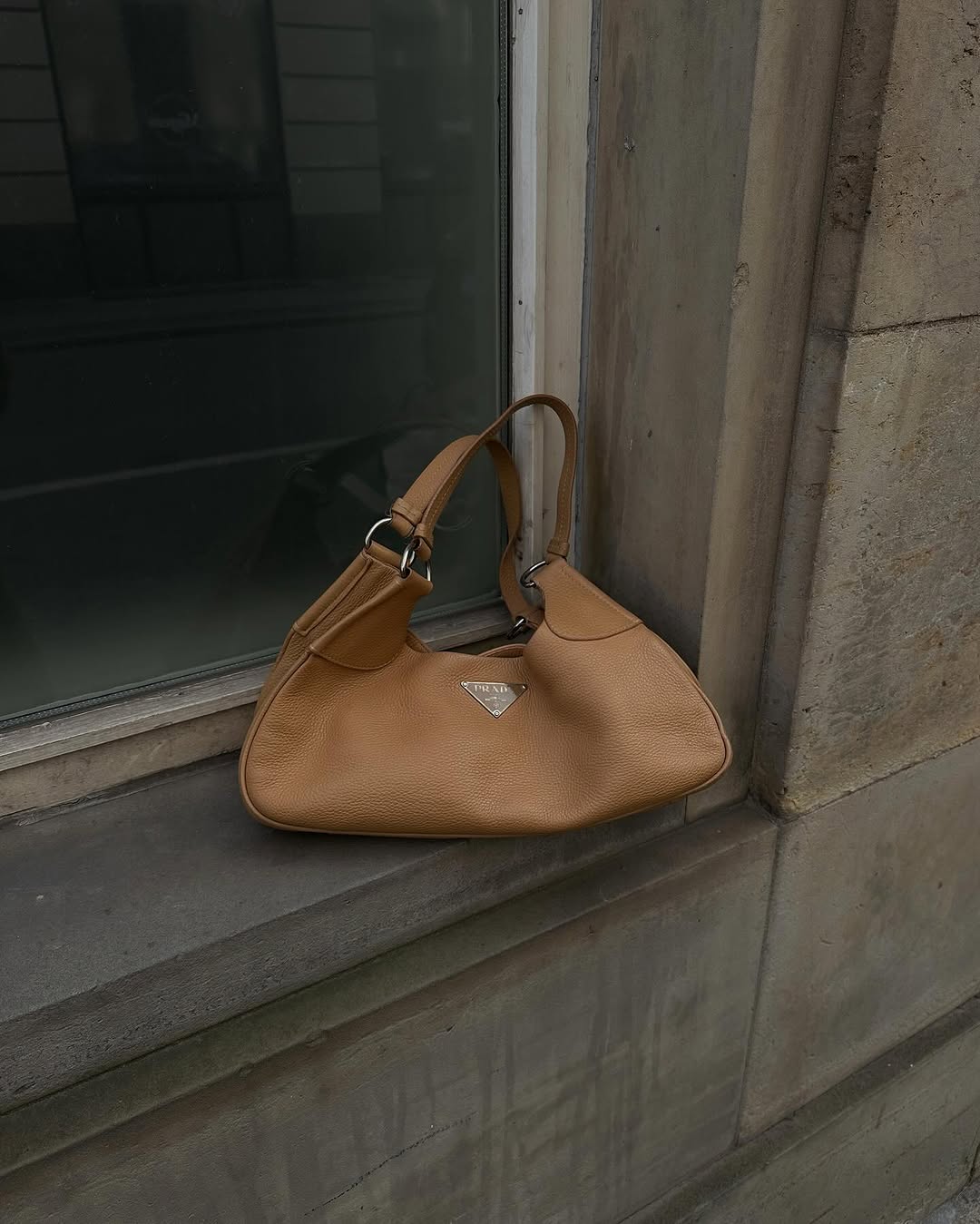
How to Tell If a Prada Bag Is Real: The Complete 2026 Authentication Guide (Galleria, Re-Nylon, Cleo & Re-Edition)
Learning how to tell if a Prada bag is real has become one of the trickiest skills in luxury authentication. Prada's design language is deceptively simple - a clean enamel triangle, restrained hardware, disciplined stitching, and that instantly recognisable nylon - which makes it easy to imitate at first glance and genuinely difficult to fake in the details. Counterfeiters can approximate the silhouette in seconds, but the craftsmanship underneath rarely survives close inspection. This guide walks through the details that matter most in 2026, model by model: the triangle logo plaque, the Re-Nylon weave, the Saffiano leather on the Galleria, and the trend-driven Cleo and Re-Edition 2005. No single detail authenticates a bag - you read the whole picture. And when the value is high or the doubt is real, you lean on a professional. Every piece we sell at Collector's Cage is independently authenticated before it is listed. Key takeaways from this guide: The triangle plaque is your first checkpoint - but modern super-fakes replicate it closely, so never authenticate on it alone. Re-Nylon is a tight, textured jacquard weave; fakes look flat, shiny or loosely woven. Galleria authenticity lives in the Saffiano cross-hatch, tonal stitching, and structured shape. Authenticity cards prove almost nothing - they are the easiest element to counterfeit. Prada has no public serial-lookup system, so "verified serial" seller claims are a red flag. For high-value pieces, buy from an authenticated source rather than relying on an online checklist. Why Prada Is One of the Most Faked Luxury Brands Prada sits in a peculiar position. Its aesthetic is minimalist - a metal triangle, clean lines, muted hardware - which reads as "easy to copy" to counterfeiters and buyers alike. That very restraint is what makes real Prada hard to fake convincingly. There is nowhere for sloppy work to hide when the design is this pared back. In 2026, the four most-counterfeited Prada models are the Galleria (the Saffiano tote), the entire Re-Nylon range, the sculptural Cleo shoulder bag, and the Re-Edition 2005 nylon mini. These are the bags with the highest demand and the strongest resale, which is exactly why fakes cluster around them. Set your expectations correctly before you start. Authentication is never about one magic detail. A convincing plaque means little if the stitching is uneven; a perfect weave means little if the hardware feels hollow. You build a case from many small observations. And for genuinely valuable pieces, an online guide supports - but does not replace - expert eyes. That is why we authenticate every Prada bag in our inventory independently. Prada bags in stock right nowPrada Prada Shoulder BagPrada Prada Small PromenadePrada Extra Large GalleriaPrada Prada EasyPrada Prada Shoulder BagPrada Prada Crossbody BagPrada Prada Hand BagPrada Prada Small CanapaSee everything in stock → The Prada Triangle Logo Plaque: Your First Checkpoint The enameled metal triangle is Prada's signature, and it is where most inspections begin. On leather models it typically reads PRADA, with MILANO and DAL 1913 in smaller lettering beneath, alongside the registered-trademark ® mark. The lettering should be crisp, evenly kerned and confidently weighted. Font, spacing and lettering This is where cheaper fakes fail. Look at letter spacing and stroke weight under good light. Counterfeit plaques often show thick, uneven or slightly off-kerned letters, letters that sit too close or too far apart, or a fuzzy edge where genuine engraving is sharp. The ® mark should be tidy and correctly positioned, not smudged or oversized. Enamel finish and attachment Genuine enamel is smooth and evenly applied, with a clean transition between the metal and the coloured fill. Warning signs include bubbling, chipping at the edges, or a plasticky sheen. Genuine plaques also sit flush against the leather or nylon and are secured cleanly - with prongs, rivets or stitching depending on the model and era. A plaque that looks tacked on, sits proud, or wobbles is a problem. The inverted triangle on Re-Nylon On Re-Nylon pieces the inverted triangle is metal, not printed. Note whether the finish is polished or brushed for the model in question, and check that it has genuine weight and a backed, enamelled feel rather than a flimsy stamped plate. To be clear about the Prada triangle logo real question: super-fakes in 2026 now replicate the plaque remarkably well. A plaque that "looks right" is necessary but not sufficient. Always cross-check against the weave, stitching, hardware and interior before drawing a conclusion. How to Authenticate Prada Re-Nylon: Weave, Hardware & Stamping To authenticate Prada Re-Nylon specifically, start with the fabric itself. Re-Nylon is regenerated ECONYL, and the jacquard weave is tight, uniform and slightly textured - it has a subtle depth to it. Fakes frequently look flat, overly shiny, or loosely woven, and the texture appears printed on rather than woven in. Plaque weight and feel The metal triangle plaque on genuine nylon is enamel-backed and has real heft. A common tell on counterfeits is a plaque that feels light and hollow when tapped, or one that flexes. Weight is difficult and expensive to fake correctly, which makes it a useful signal. Zippers and hardware Prada typically uses branded zippers (Riri, Lampo, or Prada-branded IPI-style pulls depending on era and model) with clean, legible engraving. Check the weight of the pull and the smoothness of the action - genuine zippers glide, while fakes often catch, feel gritty, or use unbranded generic hardware. Engraving should be sharp, not shallow or blobby. Interior and stamping Inside, the nylon lining carries a stamped Prada logo and a separate Made in Italy stamp. Check that the stamping is crisp, correctly aligned, and consistent with the exterior branding. Misaligned, faint, or wonky stamps are red flags. FeatureGenuine Re-NylonCommon Fake WeaveTight, textured, uniform jacquardFlat, shiny, loose or printed-looking Triangle plaqueMetal, enamel-backed, weightyLight, hollow, flexible ZipperBranded, smooth, sharp engravingGeneric, gritty, shallow engraving Interior stampCrisp, aligned, consistent fontFaint, misaligned, uneven Model type matters too. On backpacks, inspect strap hardware, buckle stamping and the base construction; on totes, check the handle attachments and how the base holds its shape. Structural shortcuts are where counterfeiters save money. Prada Galleria (Saffiano) Authenticity Details For Prada Galleria authenticity, the star of the show is the Saffiano leather. The signature cross-hatch pattern should be even and consistent across the entire bag, with no smeared or irregular sections. Genuine Saffiano is firm and structured - the leather has body. Bags that feel floppy, or leather that looks overly glossy and plasticky, should raise doubts. Stitching Prada's stitching is straight, even and tonal. Pay close attention to the corners and handle attachments, where stress and complexity expose poor work. Look for consistent stitch length and count, no loose threads, and no crooked runs. Reinforcement stitching at handle bases should be neat and symmetrical. Hardware and trim The Galleria carries the lettered triangle plaque, detachable strap hardware, protective feet on some sizes, and branded lettering on the trim. Hardware should have weight and a consistent finish, with sharp, legible engraving. Cheap plating, uneven colour or shallow stamping are warning signs. Interior and the leather tag Depending on the line, the Galleria is leather-lined or fabric-lined. Inside you will find the Prada logo stamp and a separate leather Prada luggage tag with hot-stamped lettering. The stamp depth and font should match Prada's standards precisely. Finally, check symmetry: the twin top handles should mirror each other, and a genuine Galleria holds its structured shape even when empty. If you want to compare authentication logic across brands, our Gucci authentication guide covers similar stitching and hardware principles that apply to any structured leather bag. Prada Cleo & Re-Edition 2005: Model-Specific Checks These two trend-driven models are counterfeited heavily because demand outstrips supply, so a few model-specific tells help. Cleo The Cleo is a sleek, brushed-leather shoulder bag defined by its smooth, seamless panel and curved silhouette. Check the smoothness of the leather panel, the minimal visible seams, the recessed zipper that sits flush, and the flat metal triangle logo. Because the design is so clean, any pucker, uneven seam or misplaced logo stands out immediately. The bag should curve elegantly against the body, not sit stiff or misshapen. Re-Edition 2005 This nylon mini/hobo is defined by its slim silhouette, its chain-and-nylon strap, and a small enamel triangle. Inspect the chain quality - genuine links are weighty and evenly finished - as well as the interior stamping and the proportion of the triangle relative to the bag. Fakes commonly get the plaque size or placement slightly wrong, or use a thin, lightweight chain. ModelApprox. dimensions (W)Key authenticity focus Cleo (standard)~27 cm (approx.)Seamless panel, recessed zip, flat logo Cleo mini~20 cm (approx.)Proportion, chain quality Re-Edition 2005 shoulder~22 cm (approx.)Chain weight, triangle size/placement Re-Edition 2005 mini~13 cm (approx.)Slim silhouette, interior stamp Treat measurements as supporting evidence only - dimensions vary slightly by production year and are given here as approximate ranges. Proportions that look "off" are a prompt to inspect harder, not a verdict on their own. Interior Stamps, Authenticity Cards & Serial Details The interior tells its own story. Prada uses an interior logo stamp and, separately, a Made in Italy stamp. Examine the spacing, the depth of the impression, and the font. Genuine stamping is clean and evenly pressed; fakes tend to be too faint, too deep and blobby, or slightly wrong in letterform. Authenticity cards prove nothing on their own Prada includes a card bearing a controllo (control) number with many bags. But here is the crucial point: cards alone prove nothing. They are among the easiest elements for counterfeiters to reproduce, and a beautiful card frequently accompanies a poor fake. Never authenticate a bag on the strength of its card. No public serial lookup Prada does not operate a public serial-lookup system. This matters, because a seller who claims to have "verified the serial number" against a database is describing something that does not exist for Prada. Treat that claim as a red flag rather than reassurance. Dust bags and packaging can support a case but never decide it. A genuine dust bag with a fake bag is a common combination, and mismatched-era details - a modern card with an older-style stamp, or a control number that does not fit the model's period - are exactly the kind of inconsistency that reveals a problem. Our approach mirrors the logic in the Chanel authentication guide: paperwork supports the bag; it never speaks for it. Modern Super-Fakes: What Still Gives Them Away in 2026 The uncomfortable truth is that the best 2026 super-fakes now nail the plaque and even approximate the weave. So the authentication conversation has shifted. When the obvious markers are convincing, you look harder at construction, weight, smell and internal finishing - the things that require real factory quality to get right. Build quality and finishing Turn the bag inside out in your mind. Check for symmetry across panels, glue seepage at seams, stray thread ends, and lining tension. Genuine Prada lining sits smooth and taut; fakes often bunch, sag, or show adhesive along the edges. Real leather and quality nylon also carry a certain smell - chemical, plasticky odours are a warning. Hardware and stamping under magnification Weigh the hardware in your hand. Genuine zippers and plaques feel substantial and move smoothly; fakes feel tinny. Under magnification, stamping depth and letterform clarity separate serious counterfeits from genuine pieces - the edges of genuine engraving stay crisp where fakes blur. All of which leads to one honest conclusion: a single online checklist cannot replace expert authentication for a high-value bag. That is the entire point of buying from a source that authenticates independently and stands behind it - see our Authenticity Guarantee for how that works. Prada bags in stock right nowPrada Prada Shoulder BagPrada Prada Small PromenadePrada Extra Large GalleriaPrada Prada EasyPrada Prada Shoulder BagPrada Prada Crossbody BagPrada Prada Hand BagPrada Prada Small CanapaSee everything in stock → Buying Pre-Owned Prada with Confidence Authenticated pre-owned Prada is one of the smartest ways to buy the brand. Timeless models - the Galleria, the Re-Nylon range, the Re-Edition 2005 - hold their appeal and their value well, and the sustainability story behind Re-Nylon has only strengthened demand. Buying pre-owned also lets you access discontinued colours and finishes that are no longer available at retail. At Collector's Cage, every Prada bag is independently authenticated before it goes live, and most of our listings are genuine one-of-one pieces with new arrivals added regularly. Browsing pre-owned means you are not paying full boutique retail - and if you want to benchmark those numbers, our Prada bag prices 2026 guide lays out current retail across the US and Europe. What to ask a seller for Whether you buy from us or elsewhere, insist on clear, well-lit photographs of the details that matter: The triangle plaque - close enough to read the lettering and see the enamel. Interior stamping - both the logo and the Made in Italy stamp. Zippers and hardware - engraving and pull detail. The base and corners - where wear and construction shortcuts show. The full interior - lining, tag, and any control card. A reputable seller will provide these without hesitation. If photographs are vague, cropped, or reused stock images, walk away. When you are ready, browse the in-stock authenticated Prada above - each piece has already passed the inspection this guide describes, so you can shop the details rather than second-guess them. Frequently Asked Questions How can I tell if a Prada bag is real quickly? Start with the triangle plaque - check the enamel finish and the crispness of the lettering - then feel the hardware weight and inspect the stitching at the corners and handles. A quick check narrows suspicion, but it never confirms authenticity on its own. For a confident verdict, review the weave, interior stamping and overall construction together, or use a professional. Does a real Prada bag always come with an authenticity card? Many genuine Prada bags include a card with a control number, but its presence proves nothing - cards are among the easiest elements to counterfeit. Plenty of authentic pre-owned bags have lost their cards over the years, and plenty of fakes ship with convincing ones. Authenticate the bag itself, never the paperwork. How do you authenticate Prada Re-Nylon specifically? Focus on the weave first: genuine Re-Nylon is a tight, textured, uniform jacquard, while fakes look flat, shiny or loose. Then check that the metal triangle plaque is enamel-backed and weighty rather than light and hollow, confirm the zippers are branded and smooth, and verify the interior stamping is crisp and aligned. Read all of these together rather than relying on any single one. Is the Prada triangle logo enough to prove a bag is genuine? No. Modern super-fakes replicate the triangle plaque very closely in 2026, so a convincing plaque is necessary but not sufficient. Always cross-check the plaque against the weave or leather, the stitching, the hardware weight and the interior finishing before drawing any conclusion. Do Prada bags have serial numbers you can look up? Prada does not operate a public serial-lookup system, so there is no official database to verify a number against. Any seller claiming to have "verified the serial" against such a system should be treated with caution. Control numbers can support a case only when they are consistent with the bag's model and era. Are all Prada bags made in Italy? The vast majority of Prada handbags are made in Italy and carry a Made in Italy stamp, though the brand has produced some items elsewhere over the years. The stamp itself should be crisp, evenly pressed and correctly aligned - sloppy or misaligned stamping is a red flag regardless of what it says. Judge the stamp's quality alongside every other marker rather than in isolation.

How to Tell If a Louis Vuitton Speedy Is Real: The Complete 2026 Authentication Guide
Learning how to tell if a Louis Vuitton Speedy is real has become an essential skill in 2026. The Speedy is once again one of the most requested handbags in the world - worn on runways, revived across social feeds, and hunted relentlessly on the resale market. That surge in demand has done something predictable: it has flooded the secondary market with a new generation of high-quality replicas, some good enough to fool a casual glance. The good news is that authenticity is not a matter of luck or gut feeling. With a systematic checklist and a little patience, most counterfeits reveal themselves quickly - often within the first few checks. This guide walks you through the entire process for the Speedy 20, 25, 30 and 35, as well as the strap-equipped Speedy Bandoulière (often called the Speedy B), covering everything from monogram alignment to the modern RFID microchip. Key takeaways from this guide: No single detail authenticates a Speedy - always read the bag as a whole. Monogram/Damier symmetry, vachetta leather quality and heat-stamp precision are your fastest tells. Louis Vuitton phased out date codes around 2021 in favour of embedded microchips - a missing code on a newer bag is normal. Date codes never prove authenticity on their own; counterfeiters copy them easily. The Speedy Bandoulière adds a strap and D-rings the classic Speedy lacks. When in doubt, professional authentication is worth it - and every Speedy at Collector's Cage is verified before listing. Why the Speedy Is Back - and Why Authentication Matters Now The Speedy has cycled in and out of the spotlight for decades, but its 2026 resurgence has been particularly intense. Younger collectors have embraced the smaller 20 and 25 sizes as everyday It bags, while the classic 30 remains a perennial workhorse. Demand at this level always attracts counterfeiters. Today's fakes are not the flimsy street-corner copies of ten years ago. So-called superfakes now replicate the canvas print, heat stamp and even the hardware with unsettling accuracy. That is exactly why a structured approach matters - you are no longer looking for one obvious flaw, but rather assessing a dozen small details that a factory cutting corners cannot all get right at once. Take reassurance from this: the vast majority of replicas still fail on materials and craftsmanship. Genuine Louis Vuitton canvas, vachetta leather and stitching follow standards that are expensive and difficult to fake consistently. Work through the checklist below and you will spot most fakes long before you reach the microchip. Louis Vuitton bags in stock right nowLouis vuitton Mini Accessories PochetteLouis Vuitton Louis Vuitton NaviglioLouis vuitton JulietteLouis Vuitton Louis Vuitton Mini Accessories PochetteLouis Vuitton Louis Vuitton Mini BucketLouis vuitton Crossbody BagLouis vuitton Large BucketLouis Vuitton Louis Vuitton Speedy 25See everything in stock → A Short History of the Louis Vuitton Speedy The Speedy was introduced in 1930 as a compact, everyday reinterpretation of the larger Keepall travel bag. Where the Keepall was built for weekend trips, the Speedy shrank the silhouette into something a woman could carry through the city. Its cultural breakthrough is often credited to Audrey Hepburn, who reportedly asked Louis Vuitton to produce a smaller version for daily use - a request said to have inspired the Speedy 25. That smaller format transformed the bag from a piece of luggage into a wardrobe staple. The Speedy Bandoulière arrived later, adding a detachable shoulder strap and D-rings for hands-free wear - a modern update to a heritage shape. Over the decades the Speedy has appeared in Louis Vuitton's core canvases: Monogram, Damier Ebène, Damier Azur, plus countless seasonal and collaboration editions. Why does history matter for authentication? Because Louis Vuitton's construction standards have stayed remarkably consistent across generations. When you know what a genuine Speedy should look like, deviations become easy to catch. Speedy Sizes at a Glance: 20 vs 25 vs 30 vs 35 Size affects more than capacity - it changes where the monogram should sit and whether the bag ships with a strap. Understanding the correct proportions is part of authentication, because fakes frequently get dimensions and print placement slightly wrong. SizeApprox. dimensions (W)Strap included?Best for Speedy 20~20 cm / 8 inYes (Bandoulière)Compact everyday, evening Speedy 25~25 cm / 10 inHandles-only or BandoulièreDaily city bag, the "Hepburn" size Speedy 30~30 cm / 12 inHandles-only or BandoulièreWork, travel carry-on companion Speedy 35~35 cm / 14 inHandles-only or BandoulièreLarge tote alternative, overnight The classic Speedy is sold with rolled leather handles and no strap; the Bandoulière versions include a detachable strap plus the D-rings needed to attach it. For a deeper size breakdown and how the Speedy stacks up against its sibling tote, see our guide on Neverfull vs Speedy and browse current stock in the Louis Vuitton collection. On a genuine Speedy, the monogram is symmetrically placed and the print does not get awkwardly chopped at the base or seams. Because larger sizes offer more canvas surface, alignment tells are often easiest to read on the 30 and 35. Step-by-Step: The Louis Vuitton Speedy Authentication Checklist Work through these in order. Each individual check builds a case; together they form a reliable verdict. 1. Monogram and Damier alignment On an authentic Speedy, the LV logos and floral motifs are centred and symmetrical across the front. Louis Vuitton aligns the canvas so the print flows evenly across seams, and the base is arranged so logos are never cut off crudely. Damier check patterns should line up squarely at the seams. Sloppy, off-centre or randomly cropped monograms are a classic fake tell. 2. Canvas texture and finish Genuine coated canvas has a matte, slightly grained finish with an even coating. Fakes often look shiny, plasticky or overly stiff. Run your fingers across it - authentic canvas feels substantial but supple, never like a cheap vinyl tablecloth. 3. Leather (vachetta) tabs, handles and piping The Speedy uses untreated vachetta leather for its handles, tabs and piping. When new it is pale and blonde; over time it patinas to a honey and then caramel tone. Edges should be clean and evenly rolled. Beware of leather that is unnaturally dark straight away or looks artificially "aged" - a common shortcut on replicas. 4. Stitching Stitching should be even, tight and consistent in count. On classic Monogram Speedys the thread is a distinctive mustard/tonal yellow. Look for straight rows, no loose threads and symmetrical stitch counts on matching tabs. Wavy or uneven stitching is a red flag. 5. Heat stamp The interior heat stamp reads "LOUIS VUITTON" above "made in France" (or Spain, Italy, USA). The font should be crisp with correct letter spacing, thin and precise strokes, and clean registered-trademark (®) symbols. Counterfeit stamps are often too thick, too deep, or slightly misspaced. The letter O in Louis and Vuitton is more rounded than an amateur eye expects. 6. Zipper and pull The zipper should glide smoothly and the hardware is typically stamped with LV branding. Finish should be even, without flaking or a brassy tint on the wrong areas. Cheap zippers snag, feel light, or carry no branding at all. 7. Padlock and key Authentic Speedys come with a brass padlock engraved with "Louis Vuitton" and a number, with matching keys. The engraving should be crisp and the lock should feel weighty. Note the number is not a serial number and does not have to match a date code - but the quality of the stamping tells you a lot. 8. D-ring, strap hardware and screws (Bandoulière) On the Bandoulière, the D-rings should be solidly attached with clean leather tabs and neat stitching. Any screws should be flush and even. Wobbly D-rings or thin, mismatched strap leather point to a fake. Date Code vs Microchip: Reading the Speedy's Era One of the biggest sources of confusion today is the shift from date codes to microchips. Louis Vuitton phased out embossed date codes around 2021 and moved to embedded RFID microchips. This means a newer Speedy may have no visible date code at all - and that is entirely normal. EraWhat to look forWhere it's located Pre-1980sOften no date codeN/A (rely on construction) ~1980s-2006Date code: letters + digitsStamped on interior tab or leather 2007-20202 letters + 4 digits (week/year format)Hidden interior seam or tab ~2021-presentNo visible code; RFID microchipEmbedded in the bag (not visible) For bags with a code, the format from 2007 onward is two letters (a factory/country indicator) followed by four digits arranged as 1st and 3rd digit = week, 2nd and 4th = year. For example, a code ending in 1024 would indicate the 10th week of 2024. Crucial caution: a date code never proves authenticity on its own. Counterfeiters replicate plausible codes routinely, and a "correct" code on a poorly made bag means nothing. Treat the code as one supporting data point among many - for a full breakdown of both systems, read our dedicated guide on Louis Vuitton date code vs microchip. If you are examining a Speedy made after 2021 and cannot find a stamped code, do not panic. The microchip is intentionally invisible; only Louis Vuitton and specialised readers can access it. The absence of a visible code on a recent bag is expected, not a warning sign. Speedy vs Speedy Bandoulière: Spotting the Differences The two are easy to confuse in photos, but the differences are concrete. The classic Speedy has rolled handles and nothing else - no strap, no D-rings. The Speedy Bandoulière adds a detachable, adjustable leather-tabbed strap and two D-rings mounted at the sides. On the Bandoulière, check that the strap leather matches the vachetta tone of the rest of the bag - a mismatched strap suggests it has been swapped or faked. The strap's clasps and adjuster hardware should carry consistent branding and finish. The model name and made-in origin appear on the interior heat stamp as with the classic Speedy. The most common Bandoulière-specific fake tell is a weakly attached D-ring or thin, glue-heavy strap tabs. Genuine strap tabs are stitched cleanly and feel robust. Superfakes in 2026: The Tells That Still Give Them Away Modern superfakes have genuinely improved in two areas: the canvas print and, to a lesser degree, the heat stamp. A quick photo may no longer expose them. But they still fail in the places that require expensive materials and skilled hand-finishing. Where superfakes still fail Vachetta leather: genuine untreated leather has a specific grain, smell and patina behaviour. Fakes use treated or dyed leather that ages wrong. Weight and smell: a real Speedy has a balanced heft and a leather smell - a strong chemical or glue odour is a giveaway. Interior lining: texture, colour and the way the lining is fitted often betray a fake. Hardware finish: stamping depth and metal tone under magnification. The composite approach The single most important principle: no one detail authenticates a bag. Read it as a whole. A superfake might nail the canvas but fumble the vachetta; another might get the heat stamp right but botch the stitching count. It is the combination that reveals the truth. Ironically, some fakes are too perfect - flawless symmetry with no natural variation, or vachetta that has been artificially aged to look "authentically" worn. Both are warning signs. Genuine handmade construction shows tiny, consistent evidence of craftsmanship, not machine sterility. When to seek professional help If you have worked through the checklist and still feel uncertain, get a professional opinion. Clear, well-lit photos of the heat stamp, date code area, handle attachments, zipper hardware and base corners give an expert everything they need. The same logic applies across the brand - our Neverfull authentication guide uses an identical composite method and is worth reading if you own more than one LV piece. Newest arrivals in stockBottega Veneta Bottega Veneta Large HoboGucci totBalenciaga TownChristian Dior Small Lady DiorPrada Prada Shoulder BagChanel Chanel PouchChristian Dior Christian Dior Mini SaddleCeline Celine Shoulder BagSee everything in stock → Buying a Pre-Owned Speedy With Confidence The surest way to sidestep the entire fake problem is to buy from a source that authenticates before it sells. At Collector's Cage, every Louis Vuitton Speedy is authenticated before it is ever listed - you are not left to run the checklist yourself and hope for the best. Each piece is one-of-one, photographed as the exact bag you receive, and graded honestly on condition. New arrivals land weekly, so sizes and canvases that are hard to find at retail regularly surface here. You can explore current pieces in the Louis Vuitton collection, and our Authenticity Guarantee stands behind every listing. Which Speedy to prioritise for value For long-term value retention, the Speedy 25 and 30 in classic Monogram remain the safest picks - timeless, endlessly in demand, and easy to resell. The Bandoulière versions command a premium for their versatility. If you want maximum practicality, prioritise a Speedy with even vachetta patina and clean canvas corners; if collectability matters most, an unusual or discontinued canvas can be worth the hunt. For current pricing context, our Louis Vuitton price guide 2026 shows how pre-owned compares to retail. Frequently Asked Questions How can I tell if my Louis Vuitton Speedy is real at home? Start with the fastest tells: monogram symmetry, matte canvas finish, even mustard-toned stitching and a crisp heat stamp. Then check the vachetta leather quality, hardware stamping and padlock. No single point is conclusive - assess them together, and if several feel off, treat the bag as suspect. Does every authentic Speedy have a date code? No. Louis Vuitton phased out visible date codes around 2021 in favour of embedded RFID microchips, so a newer Speedy will typically have no code at all. Very old vintage pieces may also lack one. A missing code on a recent bag is normal and not a red flag on its own. What is the difference between a Speedy and a Speedy Bandoulière? The classic Speedy has rolled handles only, while the Speedy Bandoulière adds a detachable, adjustable shoulder strap plus two D-rings to attach it. Everything else - canvas, heat stamp, padlock - is broadly the same. On a Bandoulière, always confirm the strap leather matches the bag's vachetta tone. Can superfake Speedys pass the date code or microchip test? A superfake can display a convincing printed date code, which is exactly why codes never prove authenticity alone. Microchips are far harder to replicate meaningfully, but they cannot be read at home. This is why the composite approach - plus professional authentication when needed - remains essential. Which Speedy size is the best buy in 2026? The Speedy 25 and 30 in Monogram are the most versatile and value-stable choices, with the 25 favoured for everyday wear and the 30 for work and travel. Bandoulière versions carry a premium for their hands-free strap. Choose based on how you'll carry it, then prioritise clean canvas and even patina. Should the leather on a real Speedy be light or dark? Authentic vachetta starts pale and blonde when new, then naturally patinas to honey and eventually a rich caramel with use and sun exposure. Both light and dark can be genuine - what matters is that the ageing looks natural and even. Uniformly dark or artificially "distressed" leather on an otherwise new-looking bag is a warning sign.

How to Tell If a Dior Bag Is Real: The Complete 2026 Authentication Guide (Lady Dior, Book Tote & Saddle)
Learning how to tell if a Dior bag is real has become a genuine skill in 2026 - not a five-minute glance, but a considered read of leather, stitching, hardware and stamps. As Dior's icons have climbed in price and desirability, counterfeiters have followed the money, and the gap between an obvious fake and a convincing one has narrowed dramatically. The old giveaways (crooked logos, plastic hardware, cheap lining) still exist on street-market bags, but the pieces circulating on resale platforms today are a different animal. This guide walks through the details that still separate authentic from fake across the three most-copied lines - the Lady Dior, the Book Tote and the Saddle. No single feature confirms a bag; authentication is always the sum of the parts. Read the whole picture, and you'll spot the inconsistencies that even a good replica can't fully hide. Key takeaways from this guide: Authentication is cumulative - the heat stamp, hardware, stitching and construction must all agree, not just one detail. An authenticity card or microchip alone never proves a bag is real; both are routinely faked. "Made in Italy" and "Made in Spain" are both legitimate Dior origins - neither is a red flag on its own. The Lady Dior lives and dies by its Cannage symmetry and D-I-O-R charms; the Book Tote by its embroidery; the Saddle by its silhouette. 2026-era superfakes get materials and stamps close - they still fail on hardware weight, edge painting and interior finishing. For high-value pieces, an authenticated seller beats DIY checks every time. Why Dior Authentication Matters in 2026 Christian Dior has spent the last decade transforming from a fashion house into a hard-asset brand. The Lady Dior and Book Tote in particular have seen repeated retail increases, and steady demand on the secondary market has kept resale values firm. Where value goes, counterfeiters follow - and the volume of convincing fake Dior bags has grown in direct proportion. The uncomfortable truth is that the tells everyone used to rely on have largely disappeared from the better replicas. Modern fakes use real calfskin, replicate the Cannage stitch, and even reproduce microchips and cards. That doesn't mean authentication is impossible - it means it has moved into the details: plating weight, stitch tension, edge paint under magnification, the crispness of a serif. Remember one principle throughout: no single feature confirms authenticity. A perfect heat stamp on a bag with sloppy edge painting is still a fake. It's the combination that tells the story. If you'd rather skip the forensics entirely, every piece in our Christian Dior collection is individually authenticated before it's listed - but understanding the checks below will make you a sharper buyer regardless of where you shop. Christian Dior bags in stock right nowChristian Dior Shoulder BagChristian Dior Crossbody BagChristian Dior Mini SaddleChristian Dior Saddle PochetteChristian Dior Shoulder BagChristian Dior Hand BagChristian Dior Shoulder BagChristian Dior Hand BagSee everything in stock → The 'Christian Dior' Heat Stamp: Your First Checkpoint The interior stamp is the fastest meaningful check on any Dior bag. Depending on the model and era, you'll find "CHRISTIAN DIOR" stamped over "PARIS" - either on a small interior leather patch or embossed directly into the lining. On the Book Tote it appears on an interior jacquard or leather tab; on the Lady Dior and Saddle it's typically set into the leather interior. What a genuine stamp looks like Study the lettering, not just the words. Authentic Dior stamping shows even letter spacing, a consistent baseline and clean, crisp serifs. The font weight is deliberate - never bloated, never spidery-thin. Under angled light the impression should read sharp and uniform across every character. Dior uses both foil (metallic) and blind (debossed, uncolored) stamping depending on the line, hardware tone and year. A gold-hardware bag often carries a gold foil stamp; some pieces use a tonal blind deboss. Neither is inherently more "correct" - what matters is that the execution is clean. Origin stamps and common fakes You'll see "MADE IN ITALY" on most pieces, but "MADE IN SPAIN" is also legitimate for certain Dior production. Origin alone is not a red flag. What gives fakes away is the execution: an uneven baseline, lettering that's too bold or too thin, mushy or shallow embossing, and inconsistent depth from one letter to the next. If the stamp looks pressed by someone guessing at the font, treat the whole bag with suspicion. Date Codes, Authenticity Cards & the Microchip Transition Dior's internal marking system has evolved, and understanding the eras helps you cross-check without falling for reproduced paperwork. Blind stamps and date codes Older Dior bags carry a discreet blind stamp - a short string of letters and numbers - typically indicating the production facility and manufacture cycle. The concept matters more than any decode table: the code should be neatly impressed, consistent in depth with the main heat stamp, and located where Dior historically placed it for that model. Counterfeiters often stamp these too deeply, too faintly, or in the wrong spot. The authenticity card era For years, Dior included a white authenticity card printed with model information. Here's the critical point: a card alone proves nothing. Fakes reproduce these cards convincingly, and genuine bags are frequently sold without them. Use the card as a cross-check - font quality, print sharpness, and whether the details match the bag - never as standalone proof. The NFC microchip transition Newer Dior pieces have moved to an embedded NFC microchip, echoing an industry-wide shift. The chip sits discreetly within the bag's construction and is not scannable by the general public - you cannot verify authenticity by tapping your phone to it. Anyone claiming a public "scan to verify" is misinformed. This mirrors the change Chanel made; our Chanel sticker-vs-microchip guide walks through the same transition in detail and is worth reading as a parallel example. Where cards and codes earn their keep is in cross-referencing: a serial that doesn't match the card, a card font that looks off, or a "microchip" bag that shouldn't have one for its era are all useful contradictions that point toward a fake. Lady Dior: Cannage Quilting, D-I-O-R Charms & Hardware The Lady Dior is the house's most counterfeited bag, and its signature elements are exactly where the best authentication happens. If you're weighing sizes as well as authenticity, our Lady Dior size guide pairs naturally with this section. Cannage quilting The Cannage quilting must be symmetrical, with the padding aligned cleanly to the seams and a consistent stitch count per panel. On an authentic bag, the diamonds are plump and even, and the pattern lines up where panels meet. Fakes frequently show uneven diamonds, inconsistent stitch counts, or padding that pulls away from the seams. Lay the front and back side by side - they should mirror each other. The D-I-O-R charms The four letter charms spelling D-I-O-R hang from the handle and are a rich source of tells. Genuine charms are weighty, evenly spaced, and finished cleanly in metal or enamel with no rough edges. Check the ring attachments - they should be solid and neatly closed. Fakes often feel light and hollow, show sloppy spacing, or have thin, poorly cast letters. Hardware and stitching Authentic Dior hardware feels dense and cool to the touch, with deep, clean engraving on rings and feet. Lift the bag: real hardware has a reassuring heft. Inspect the stitching for regularity, the edge painting on the handles for smoothness (no cracking or bleeding), and the leather grain - Lambskin should feel soft and supple, while Cannage calfskin is firmer and more structured. FeatureAuthentic Lady DiorCommon Fake Cannage quiltingSymmetrical, plump, aligned to seamsUneven diamonds, inconsistent stitching D-I-O-R charmsWeighty, evenly spaced, clean finishLight/hollow, crooked spacing, thin casting HardwareDense, cool, deep engravingLightweight, shallow or blurry engraving Edge paintingSmooth, even, no crackingBleeding, chipping, uneven application Heat stampCrisp serifs, even baselineMushy, too bold or too thin Dior Book Tote: Embroidery, Weave & Construction The Book Tote is defined by its embroidery, and that's precisely where authentication centers. Understanding its dimensions helps too - see our Book Tote size guide for the full breakdown. Embroidery, not print An authentic Book Tote is embroidered, not printed. Run your fingers over the pattern - you should feel the texture of dense thread. Turn the interior to inspect the reverse side of the embroidery: on a genuine bag it's neat and controlled; on fakes it's often messy, with loose threads, glue, or a printed pattern masquerading as stitching. Logo alignment and canvas The "CHRISTIAN DIOR PARIS" embroidery should be perfectly aligned and centered, with even thread density throughout the lettering. The woven canvas has a distinct, structured texture. Pattern registration - how precisely the motif repeats and aligns across panels - is a frequent superfake failure point; look for motifs that drift out of alignment at the seams. Structure and interior The Book Tote holds a boxy, structured shape with a symmetrical base and even handle drops. The interior carries the "CHRISTIAN DIOR PARIS" stamp (and on personalized pieces, an embroidered name placed cleanly). A tote that slumps, has mismatched handle lengths, or an asymmetric base has likely been built without Dior's construction standards. Dior Saddle Bag: Shape, 'CD' Hardware & Strap The Saddle is all about silhouette - and fakes almost always distort it. The saddle silhouette The genuine Saddle has a specific, graceful curved flap that arcs like an equestrian saddle. Fakes frequently get this arc wrong: too flat, too steep, or sitting awkwardly on the body. Set the bag down and study the flap's curve against the base - it should look balanced and intentional, not forced. CD hardware and the D-stirrup The signature "CD" magnetic hardware should feel substantial, with a clean aged or antique-gold finish where the model calls for it. On the opposite side hangs the D-stirrup charm. Genuine hardware is weighty with crisp lettering; fakes tend to feel thin and stamped, with a finish that looks flatly gold rather than richly aged. Strap and topstitching On embroidered or jacquard straps, the pattern must align cleanly and the adjuster hardware should match the main hardware in quality and finish. Watch for sloppy topstitching around the flap and gusset - uneven stitch length and wandering seam lines are classic fake Dior Saddle tells. ElementAuthentic SaddleFake Saddle Flap curveBalanced, graceful arcFlat, steep or misshapen CD hardwareWeighty, richly aged finishThin, flatly gold, light Strap patternCleanly aligned jacquardMisaligned, drifting motif TopstitchingEven, straight, controlledUneven length, wandering lines Dust Bags, Packaging & Feel Packaging is the weakest form of proof - but it still offers supporting evidence. The Dior dust bag Dior dust bags have varied by era, appearing in drawstring and flap-envelope styles, typically in a soft neutral tone with a clean logo print. The print quality should be sharp and evenly applied. That said, dust bags are among the easiest items to fake and are frequently mismatched with bags on the secondary market - so treat them as a footnote, never the headline. Weight, smell and structure Beyond packaging, trust your senses. A genuine Dior bag has reassuring weight, a natural leather scent (never chemical or plastic), and holds its intended structure when set down. A bag that feels flimsy, smells synthetic, or collapses out of shape is telling you something regardless of how good the stamp looks. Supporting evidenceWhat to check Dust bagCorrect style for era, sharp logo print WeightSubstantial, quality feel in hand SmellNatural leather, not chemical StructureHolds shape, no collapsing Card/chipCross-check only - never standalone proof Spotting 2026-Era Dior Superfakes The term "superfake" gets thrown around loosely, but it describes a real category: replicas made with correct materials, near-perfect heat stamps, and even replicated microchips. These are the bags that fool casual buyers and sometimes experienced ones on photos alone. Where superfakes still fail Even the best fakes struggle with the details that require Dior's actual factory tooling and quality control. Look for: Hardware weight consistency - superfakes often nail the look but not the density and balance across every piece of hardware. Edge painting under magnification - real edge paint is smooth and uniform; fakes reveal micro-cracking and uneven layering when you look closely. Stitch tension at stress points - where handles and gussets meet the body, authentic stitching stays perfectly even; fakes loosen or bunch. Interior finishing - seams, lining attachment and pocket construction are where corners get cut on even expensive replicas. Why an authenticated seller wins On a four-figure bag, the maths is simple: DIY checks carry real risk when superfakes are this good. Buying from a seller who authenticates every piece removes that risk entirely. At Collector's Cage, each Dior is individually authenticated, listed as a one-of-one piece, with new arrivals weekly, and backed by our Authenticity Guarantee. Browse the current Christian Dior collection to see what's in stock - and if your taste runs wider, our Chanel, Louis Vuitton and Celine collections follow the same authentication standard. Christian Dior bags in stock right nowChristian Dior Shoulder BagChristian Dior Crossbody BagChristian Dior Mini SaddleChristian Dior Saddle PochetteChristian Dior Shoulder BagChristian Dior Hand BagChristian Dior Shoulder BagChristian Dior Hand BagSee everything in stock → Frequently Asked Questions Do all authentic Dior bags come with an authenticity card or microchip? No. Older Dior bags rely on blind date stamps rather than cards, newer pieces use embedded microchips, and many genuine bags are sold pre-owned without their original card. The absence of a card or chip does not make a bag fake - and their presence does not make it real, since both are reproduced by counterfeiters. Is 'Made in Italy' the only correct origin for a real Dior bag? No. Both "Made in Italy" and "Made in Spain" appear on authentic Dior bags depending on production. Origin alone is never a red flag - focus instead on the quality and execution of the stamp itself, including font, spacing and depth. Can I scan a Dior microchip myself to confirm a bag is real? No. Dior's NFC microchips are not designed for public scanning, and you cannot verify authenticity by tapping your phone to one. Anyone promising a "scan to verify" feature for buyers is mistaken. The chip is one internal detail among many, not a consumer-facing authentication tool. How can you spot a fake Lady Dior quickly? Start with the Cannage quilting and the D-I-O-R charms. Authentic quilting is symmetrical with even stitch counts, and the charms are weighty, evenly spaced and cleanly finished. Light, hollow charms or uneven diamonds are immediate warning signs - then confirm with the heat stamp and hardware weight. Are Dior dust bags a reliable way to authenticate a bag? Not on their own. Dust bags and packaging are among the easiest items to counterfeit and are frequently mismatched on the resale market. Use them as supporting evidence only, and let the bag's construction, hardware and stamps carry the verdict. Is it safe to buy a pre-owned Dior bag online? Yes, when you buy from a seller that authenticates every piece. Pre-owned is often the smarter route - better value on discontinued colors and one-of-one finds - provided the authentication is genuine. Every Dior at Collector's Cage is individually verified and backed by our authenticity guarantee, so you can shop with confidence.

How to Tell If a Louis Vuitton Keepall Is Real: The Complete 2026 Authentication Guide
Learning how to tell if a Louis Vuitton Keepall is real has become an essential skill for anyone shopping the secondary market in 2026. The Keepall is Louis Vuitton's most iconic - and most counterfeited - travel bag, which means the fakes range from laughably crude to unnervingly convincing. Whether you are eyeing a vintage Monogram duffle or a current-era Keepall Bandoulière, knowing what to look for protects both your money and your peace of mind. The good news: authenticating a Keepall follows a logical, repeatable process. No single detail proves a bag is genuine, but the right combination of signals - canvas alignment, leather, hardware, stamps and internal construction - tells a clear story. This guide walks through each step for both date-code and microchip eras, and shows you where even the best 2026 superfakes still slip. Key takeaways from this guide: Authenticity is confirmed by a combination of signals, never a single tell. Monogram symmetry, warm gold canvas tone and even vachetta patina are your first filters. Pre-2021 Keepalls have a stamped date code; newer bags use an embedded RFID microchip with no visible code. Heat-stamp font weight, zipper feel and interior finishing expose most superfakes. After the May 2026 retail increase, authenticated pre-owned offers the strongest value. For high-value purchases, buying from an authenticated seller removes the guesswork entirely. Why Keepall Authentication Matters More Than Ever in 2026 The Keepall sits at the intersection of everything counterfeiters love: high demand, strong resale, and a design instantly recognisable across the world. That popularity makes it the single most-copied travel silhouette Louis Vuitton produces, and the reproductions have grown more sophisticated every year. The May 2026 retail price increase pushed a new wave of buyers toward the pre-owned market, where a well-kept Keepall can offer excellent value - but only if it is genuine. That shift means authentication skill is no longer optional. More transactions between private buyers and sellers means more opportunities for a convincing fake to change hands. This guide is designed to work for both vintage bags and current-era models. The methods differ slightly by era - especially around date codes versus microchips - but the underlying discipline is the same. Read every signal, weigh them together, and trust the pattern rather than any single feature. Keepall at a Glance: Models, Sizes & Materials The Keepall first appeared in the 1930s as Louis Vuitton's answer to modern, lightweight travel - a soft-sided duffle that could be packed easily and carried by hand. Over the decades it evolved into the refined travel bag collectors know today, offered in a range of canvases and, more recently, embossed leathers. Keepall vs. Keepall Bandoulière The standard Keepall is a hand-carried duffle with rolled handles and no shoulder strap. The Keepall Bandoulière adds a detachable, adjustable shoulder strap plus a leather luggage tag and, typically, a clochette (the small pouch that holds the padlock keys). If a listing calls a bag a Bandoulière but shows no strap or tag, ask why. Sizes and typical use ModelApprox. lengthBest for Keepall 45~45 cmWeekend / cabin-friendly carry-on Keepall 50~50 cmShort trips, most popular all-rounder Keepall 55~55 cmLonger trips, generous packing Keepall 60~60 cmExtended travel, largest classic size Common materials include classic Monogram and Damier Ebene coated canvas, the darker Damier Graphite and Monogram Eclipse in the men's line, and softer Monogram Empreinte embossed leather. Knowing which materials LV actually produces is itself an authentication tool - an unusual "exclusive" colourway that never existed at retail is a warning sign. Louis Vuitton bags in stock right nowLouis vuitton Crossbody BagLouis Vuitton Louis Vuitton Nano BoulogneLouis Vuitton Louis Vuitton NaviglioLouis Vuitton Louis Vuitton Hand BagLouis vuitton Lena PMLouis Vuitton Louis Vuitton Crossbody BagLouis Vuitton Louis Vuitton Soufflot GMLouis Vuitton Louis Vuitton Speedy 25See everything in stock → Step 1: Read the Monogram and Canvas Alignment Louis Vuitton treats monogram placement as a point of pride. On a genuine Keepall, the pattern is centered and mirrored across the seams, so the two sides of the bag read symmetrically. Counterfeiters often cut corners on canvas usage to save fabric, producing off-centre or mismatched patterns. Symmetry and letter placement The LV letters and flowers should never be awkwardly chopped at high-attention areas. Genuine placement is deliberate: the monogram flows cleanly across the front, the sides mirror one another, and the base repeats the pattern in an orderly way. Check both sides and the bottom - symmetry across all three is a strong first filter. Canvas texture and colour Authentic coated canvas feels smooth and firm, not plasticky or overly glossy. A cheap, shiny, rubbery surface is a giveaway. The monogram itself uses a warm mustard-gold tone; fakes tend to run either too yellow (almost neon) or too brown and muddy. Compare against verified reference images if you have any doubt about the colour. Step 2: Leather Trim, Patina & Heat Stamp The vachetta leather trim is one of the most revealing parts of a Keepall. Untreated when new, genuine vachetta starts pale and develops an even honey-to-caramel patina over years of handling and light exposure. Patina that looks blotchy, artificially darkened, or suspiciously uniform on an otherwise "new" bag is a red flag. The heat stamp On the leather tab you should find "LOUIS VUITTON" above "made in" and the country of manufacture (France, Spain, USA, Italy). The font is thin, refined and evenly spaced, and the stamp is pressed cleanly - never gouged too deep, blurry, or crooked. Counterfeit stamps frequently look heavy, uneven, or use a subtly wrong letter shape. Handles, stitching and smell The rolled vachetta handles should feel firm, with tight, even, symmetrical stitching. Real leather has a distinct natural smell; superfakes often carry a chemical or plastic odour that lingers. Trust your nose alongside your eyes - it is a signal that is hard for counterfeiters to fake. Step 3: Hardware, Zippers & Padlock Hardware is where quality asserts itself. A genuine Keepall uses solid brass hardware with an even, durable golden finish that resists flaking. Fake hardware often feels light and tinny, and the plating wears quickly, revealing a different metal beneath. Zippers Zippers should be heavy and smooth, gliding without catching. Depending on the era, genuine bags may use YKK zippers or LV-branded pulls; the engraving on those pulls is crisp and precise. A rough, rattly zipper that snags is a warning sign. The padlock The brass padlock is engraved with "Louis Vuitton" and carries a stamped number, paired with matching numbered keys. The padlock number does not need to correspond to anything on the bag - but the engraving must be sharp and clean. Blurry or shallow engraving points to a replica. FeatureGenuine KeepallCommon fake Zipper feelHeavy, smooth, no snagLight, rough, catches Hardware weightSubstantial brassTinny, hollow feel PlatingEven, durable gold toneFlakes, uneven colour Padlock engravingCrisp, preciseBlurry, shallow Pull engravingClean, refined fontUneven spacing Step 4: Date Code vs. Microchip - Authentication by Era This is the step most people get wrong, because the correct answer changed. What proves authenticity depends entirely on when the bag was made. Pre-2021: the stamped date code Keepalls produced before roughly 2021 carry a stamped date code - usually two letters followed by four digits. The two letters identify the manufacturing factory; the four digits encode the week and year of production. This code is embossed discreetly, often inside the bag or on a hidden leather tab. To decode the modern format: the first and third digits give the week, and the second and fourth give the year. For example, a code ending in 1189 would read as week 18 of 2019. The code should be pressed cleanly into the leather, not stamped on a separate tag that looks glued in. 2021 onward: the RFID microchip From around 2021, Louis Vuitton phased out date codes and replaced them with an embedded RFID microchip. These bags have no visible date code at all. This is the single most important era fact: a genuinely new Keepall with a printed date code is a red flag, while a recent bag with no visible code is completely normal. For a deeper walkthrough of decoding every era, our companion guide on the Louis Vuitton date code vs. microchip is worth reading before any purchase. It covers exactly which years the transition affected and how to read the older codes precisely. Step 5: Stitching, Interior & Construction Once the exterior checks out, the interior and overall build often reveal the truth. Louis Vuitton's construction standards are high and consistent - something counterfeiters struggle to match at scale. Stitching Look for an even stitch count with consistent tension throughout. LV stitching is regular and slightly angled in a way that repeats identically along seams. Wandering, uneven, or loose stitches - especially near the handles and trim - indicate a lesser bag. Interior and structure Depending on the era and line, the lining may be canvas or a soft microfibre. The finishing should be clean, with no loose threads, glue residue, or raw edges. A genuine Keepall feels substantial and holds its shape when handled, even in the soft-sided models. On bags with base studs, those studs should be evenly placed and firmly set. This construction quality is precisely what separates a good fake from a great one. The best replicas nail the exterior appearance but fall short on the tiny finishing details that Louis Vuitton's ateliers get right every time. Spotting 2026 Superfakes: Where the Best Replicas Slip The reality of 2026 is sobering: top-tier superfakes now reproduce the monogram accurately and even claim to include a microchip. That means single-point checks are no longer enough. You must weigh the full combination of signals. Where they still fail Patina consistency - artificial ageing rarely looks as natural as genuine vachetta. Heat-stamp font weight - subtle thickness and spacing errors persist even in good fakes. Zipper feel - the weight and glide of genuine hardware is hard to replicate. Interior finishing - loose threads and imperfect edges give the game away. Be especially cautious of any listing that promises the bag "comes with everything" - box, dust bag, receipt, cards - as a substitute for the bag itself passing inspection. Papers are the easiest thing to fake. A microchip claim that cannot be independently verified through Louis Vuitton means nothing on its own. The risk math is simple: modern replicas are convincing enough that DIY checks alone are no longer safe for a four-figure purchase. If you are spending Keepall money, the smartest move is to let a professional stand behind the authentication. The same principle applies across brands - our guides to spotting a real Louis Vuitton Neverfull and authenticating a Goyard bag reach the same conclusion. Louis Vuitton bags in stock right nowLouis vuitton Crossbody BagLouis Vuitton Louis Vuitton Nano BoulogneLouis Vuitton Louis Vuitton NaviglioLouis Vuitton Louis Vuitton Hand BagLouis vuitton Lena PMLouis Vuitton Louis Vuitton Crossbody BagLouis Vuitton Louis Vuitton Soufflot GMLouis Vuitton Louis Vuitton Speedy 25See everything in stock → Buying an Authenticated Pre-Owned Keepall After the May 2026 retail increase, the case for pre-owned is stronger than ever. A well-kept Keepall on the secondary market often delivers the same iconic bag at a meaningful saving, and certain vintage configurations are no longer available at retail at all. Availability and value both favour the informed pre-owned buyer. Why authenticated matters At Collector's Cage, every Louis Vuitton piece is authenticated before it is listed, each item is a genuine one-of-one, and new arrivals land weekly. That combination lets you shop with the confidence that the hardest part - verifying the bag is real - has already been handled by experts. You can read more about how we work in About Collector's Cage. If you love the Keepall's travel spirit but want to explore alternatives, it is worth browsing adjacent houses too - the travel and duffle-style offerings across Gucci, Prada, Fendi and Bottega Veneta each carry their own character. What to ask a private seller If you do buy privately, request clear, well-lit photos of: the heat stamp, the date code area (or confirmation of a chip-era bag), the zipper pulls and padlock engraving, the interior lining, all four corners, and the base. Ask about the bag's history and where it was purchased. Vague answers, reluctance to photograph specific details, or pressure to complete the sale quickly are all reasons to walk away. Ultimately, the safest route for a significant purchase is a seller who backs authenticity in writing. That guarantee turns a stressful gamble into a confident acquisition - which is exactly the point of doing the homework in this guide. Frequently Asked Questions Do all real Louis Vuitton Keepalls have a date code? No. Keepalls made before roughly 2021 carry a stamped date code, but from around 2021 onward Louis Vuitton replaced date codes with an embedded RFID microchip and no visible code. A genuinely new Keepall with a printed date code should raise suspicion, while a recent bag without one is entirely normal. How can I tell a Keepall's age from the date code? In the modern format, two letters identify the factory and four digits encode the production date. The first and third digits give the week; the second and fourth give the year - so a code ending in 1189 means week 18 of 2019. Older bags used different formats, which our date code vs. microchip guide explains in full. Where is the microchip located on a newer Keepall? The RFID chip is embedded discreetly within the bag's construction and is not visible or removable. You cannot see it, and it can only be read with the right equipment - it is not something you can verify at home with a phone. Its presence alone does not prove authenticity. Can a fake Keepall have a real-looking microchip? Some superfakes claim to include a chip, but a chip that cannot be verified through Louis Vuitton proves nothing. Never treat a microchip claim as a standalone guarantee. Weigh it against every other signal - canvas, leather, hardware, stitching and finishing - and when in doubt, rely on professional authentication. Is a lighter or heavier Keepall a sign of a fake? Weight alone is not conclusive, but a genuine Keepall feels substantial thanks to solid brass hardware and quality canvas. A bag that feels suspiciously light and tinny, especially at the zippers and padlock, is a common warning sign. Consider weight as one clue within the full combination. Is it safe to buy a pre-owned Louis Vuitton Keepall online? Yes, when you buy from a seller that authenticates every piece before listing it. Purchasing from an authenticated specialist removes the guesswork and protects your investment far better than private sales. At Collector's Cage, each Keepall is verified, one-of-one, and backed by our authenticity commitment.

How to Tell If a Goyard Bag Is Real: The Complete 2026 Authentication Guide (Saint Louis, Artois, Anjou & Super-Fakes)
Learning how to tell if a Goyard bag is real is unlike authenticating almost any other luxury house. There is no visible monogram to check, no oversized logo hardware, no engraved lock to line up against a reference photo. Instead, the entire authentication rests on craft: a hand-painted chevron canvas, saddle stitching, a discreet heat stamp, and the tactile character of leather and metal that counterfeiters struggle to reproduce at scale. That subtlety cuts both ways. Because Goyard hides its identity in its making rather than its branding, a fake Goyard bag is both easy to attempt and surprisingly easy to expose - once you know what a trained eye reads first. This 2026 guide walks through the five pillars of Goyard authentication, covers the Saint Louis, Artois and Anjou specifically, and explains why the modern super-fake means no single check is ever enough. Key takeaways from this guide: Authentic Goyardine canvas is hand-painted in layered dots and dashes, giving it a subtle relief you can feel - flat, printed patterns are the fastest fake tell. Goyard sells only through its own boutiques and a few department-store counters - there is no outlet or authorized discounter, so almost every "deal" deserves scrutiny. Saddle stitching, chevron alignment, heat-stamp font, and hardware weight together form a stack of evidence - no one check is decisive. 2026 super-fakes now copy the chevron and serials convincingly, so in-hand tactile cues and provenance matter more than ever. The Saint Louis is the most faked model; the Artois and Anjou each have their own weak points to inspect. Authenticated pre-owned buying removes the guesswork - every piece is expert-inspected before it reaches you. Why Goyard Is One of the Hardest Bags to Authenticate Most luxury authentication begins with a logo. With Goyard, there is no logo to begin with. The house's identity lives in the Goyardine chevron canvas - a pattern that is deliberately understated, worn as a quiet signal among people who already know. That absence of obvious branding is exactly why Goyard is both easy to copy badly and hard to copy well. It also means the market is unusually risky. Goyard maintains a tightly controlled distribution model: its own boutiques plus a handful of department-store counters worldwide. There is no Goyard outlet, no authorized discount channel, and no factory-store overstock. When you see a bag priced well below boutique retail, that discount is not coming from the brand - which is precisely why every such piece needs careful examination. The final complication is the 2026 super-fake. Counterfeiters have closed the gap on the chevron print and even reproduce plausible-looking serial markings. As a result, a checklist-only buyer can be fooled. Authentication today is a stack of evidence, not a single smoking gun. This guide is built around five pillars: the hand-painted Goyardine canvas, saddle stitching and chevron alignment, the heat stamp and font, hardware and handle construction, and serial-number reality checks. Read together, they are very difficult to beat. Louis vuitton bags in stock right nowLouis vuitton Crossbody BagLouis Vuitton Louis Vuitton Nano BoulogneLouis Vuitton Louis Vuitton NaviglioLouis Vuitton Louis Vuitton Hand BagLouis vuitton Lena PMLouis Vuitton Louis Vuitton Mini BucketLouis Vuitton Louis Vuitton Long Zippy WalletLouis Vuitton Louis Vuitton Speedy 25See everything in stock → A Quick History: The Goyardine Canvas and Why It Resists Copying Maison Goyard was founded in Paris in 1853, making it one of the oldest French trunk makers - its canvas actually predates Louis Vuitton's monogram. Before it made handbags, Goyard outfitted the luggage of aristocrats, artists and collectors, and that trunk-maker DNA still shows in the way its modern bags are built. The signature Y-pattern chevron - the Goyardine - is understood to have been introduced around 1892. It is often described as a nod to the founding family's name and to the woven hemp coverings used on early trunks. What matters for authentication is not the legend but the technique. Authentic Goyardine is hand-painted onto a coated canvas in layered dots and lines, built up in tonal passes that create genuine relief and depth. It is not a flat, machine-printed graphic. That artisanal process is slow, labour-intensive, and extremely hard to replicate at counterfeit scale - which is exactly why the canvas is the first thing an expert reads and the first thing a fake gets wrong. Pillar 1: The Hand-Painted Goyardine Chevron Canvas The true pattern is a field of interlocking Y and chevron motifs constructed from small dots and dashes. Look closely at genuine canvas and you will see three tonal layers - a base, a mid tone and a highlight - that together create texture. Run a fingertip across it and you can feel a faint, deliberate relief. Real vs fake tells in the canvas Counterfeit canvas almost always looks flat, too uniform, and either overly glossy or dead matte. The pattern sits on the surface like a print rather than being painted into it. Colors on fakes may bleed at the edges of each dot, or appear as a single solid tone with no layered dimension. On authentic pieces the chevron is crisp with clean color separation, yet carries a slight hand-done irregularity - it is not machine-perfect. That tension between crispness and human variation is hard to fake and easy to feel once you have handled the real thing. Colorway context Classic combinations include black-on-tan, navy, red, green and the perennial black-on-black. Goyard's pigments and finishing have a particular depth; counterfeit dyes often read as too bright, too plasticky, or slightly "off" in hue. When a color looks like it belongs on a cheaper accessory, trust that instinct. Pillar 2: Saddle Stitching and Chevron Alignment Goyard uses traditional saddle stitching - even, angled, and durable, the mark of a house that began in luggage. On a genuine bag the stitch count is consistent, the tension is even, and the thread sits neatly without loops, skips or fraying. How the chevron should line up At seams, handles and trim, the chevron on a genuine Goyard is thoughtfully placed. It is not always perfectly mirrored - the canvas is a hand-worked material, not a mathematically tiled print - but the placement reads as deliberate, and leather trim is positioned with intent rather than pasted on wherever it landed. Where fakes fail Common counterfeit failures include sloppy or machine-loose stitching, misaligned chevrons at the handle bases and gussets, and visible glue residue along edges. On a real bag, edges are clean and finished; glue seepage is a strong red flag. That said, alignment alone is no longer decisive. Modern super-fakes can get chevron placement close. Always pair alignment with stitch quality and the tactile feel of the canvas before drawing any conclusion. Pillar 3: The Heat Stamp, Font and Interior Markings Goyard's discreet maker's mark - the GOYARD heat stamp with its founding references and "Paris" - should be crisp, deep and evenly spaced. The embossing sits level and clean, with each letter formed to the same weight and depth. Font tells Font is one of the most reliable pillars because it is unforgiving. Study the letter spacing, the serifs, and the proportions of each character. Counterfeit stamps frequently show lettering that is too thin, too shallow, unevenly pressed, or subtly wrong in weight and spacing. A stamp that looks faint, blobby or crooked is a serious warning. Interior finishing Inside, check that any leather patch or lining is finished to a high standard, with the stamp sitting flat and clean against it. Rushed interiors - puckered leather, wandering stitch lines, a stamp that dives into a seam - do not belong on a genuine bag. As with every pillar, do not over-rely on a single stamp photo. Super-fakes now reproduce the stamp closely enough that a good photograph can mislead. The stamp is corroborating evidence, not a verdict. Pillar 4: Hardware, Handles and Construction Goyard hardware is understated but substantial. Genuine metal fittings have a reassuring weight, a clean finish, and crisp engraving where present. Zippers glide smoothly, pulls feel solid, and nothing rattles or feels hollow. Handles and trim On the Saint Louis, the rolled leather handles should be evenly formed with tidy stitching and no lumps. Structured styles like the Artois show cleaner architecture but the same standard of finishing. Trim leather - often matched to the chevron colorway - is supple, with well-sealed edges and consistent edge paint that does not flake or run. Weight and structure Perhaps the most distinctive in-hand cue is the overall feel. Authentic Goyard is lightweight yet sturdy thanks to the coated canvas - light in the hand but with real structural integrity. Fakes tend to feel either flimsy and papery or oddly heavy and stiff. That specific "light but solid" character is difficult to counterfeit and easy to recognise once you know it. Pillar 5: Serial Numbers and Reality Checks Buyers often ask about the Goyard serial number as if it were a single decisive code. The reality is more nuanced. Goyard does not brand its bags with an obvious external serial the way some houses do, and markings vary by model and production era. Some pieces carry discreet reference or serial markings; the format and placement are not uniform across the catalogue. This matters because a valid-looking number, on its own, proves very little in 2026. Counterfeiters copy serials and references onto super-fakes precisely because buyers expect to find them. A "correct" number found on a bag with flat canvas and a weak stamp is worthless. The only reliable approach is cross-referencing: serial or reference plus canvas relief plus stamp font plus hardware feel plus provenance. When several independent pillars agree, confidence rises. When one contradicts the others, the deal is dead. Practically, before you buy, request original receipts, boutique provenance where available, and full detailed photographs - canvas close-ups in natural light, the heat stamp, hardware, stitching at the gussets, and any interior markings. Model-by-Model: Saint Louis, Artois and Anjou Each of Goyard's core totes has its own construction and its own weak points to inspect. If you want a deeper structural breakdown, our companion guide to the Saint Louis vs Artois vs Anjou covers sizing and fit in detail. Model Silhouette Approx. dimensions (PM/GM) Key features to inspect Model-specific fake tells Saint Louis Soft, unstructured open tote PM approx. 40cm / GM approx. 47cm wide Rolled leather handles, inner zip pouch, feather-light feel Handles lumpy or over-stiff; canvas flat; pouch stitching sloppy Artois Structured zip-top tote PM approx. 35cm / GM approx. 40cm wide Zipper hardware, reinforced base, cleaner architecture Cheap or rough zipper; weak base support; uneven top edge Anjou Reversible tote (canvas/leather) Mini / PM / GM depending on run Interior leather face, edge finishing on both sides Poor edge paint on the leather face; mismatched finishing between faces Saint Louis - the most faked The Saint Louis is the flagship and the single most counterfeited Goyard, which makes real vs fake Goyard Saint Louis the most searched question in the category. Focus on the handle rolling, the lightweight-yet-structured feel, and the inner pouch's stitching. A genuine Saint Louis practically floats in the hand; a fake often feels dead or clumsy. Artois - check the hardware With its zip-top and more rigid form, the Artois lives or dies by its zipper and base. The zipper should be smooth and substantial with clean engraving; the base should hold shape without sagging or creasing awkwardly. Anjou - inspect both faces Because the Anjou is reversible, you effectively have two bags to authenticate. Check the leather interior face and the canvas face equally, paying close attention to edge finishing and paint consistency where the two materials meet. The 2026 Super-Fake Problem - and How to Beat It The uncomfortable truth is that super-fakes have narrowed the gap. The chevron print is sharper than it was five years ago, serials are copied, and stamp reproductions can survive a casual glance. A buyer relying on a single checklist item - "the serial looks right, so it's real" - is exactly the buyer these fakes are designed to catch. The defence is the layered-evidence method. Canvas relief, saddle stitching, stamp font, hardware weight and provenance are evaluated together. Counterfeiters can nail one or two of these; almost none nail all of them at once, and the failures tend to compound. Crucially, several of the strongest cues are tactile and only reveal themselves in hand: the faint relief of the painted canvas, the tension and angle of saddle stitching, the specific heft of genuine hardware. These are the things photographs flatten and machines still miss. If you can, examine the bag physically - or rely on someone who has. Which is the whole argument for buying authenticated rather than gambling on a marketplace listing. Newest arrivals in stockBalenciaga Balenciaga Mini CityGucci Gucci Marmont Super MiniPrada Prada Shoulder BagLouis vuitton Lena PMGucci Dionysus Mini GGGucci Gucci Small BardotFendi Fendi Mamma BaguetteBottega Veneta Medium HoboSee everything in stock → Buying Pre-Owned Goyard with Confidence Once you understand the five pillars, one thing becomes obvious: authentication is genuinely hard, and getting it wrong is expensive. Buying authenticated pre-owned Goyard shifts that burden off your shoulders. Instead of squinting at chevron dots and second-guessing a heat stamp, you rely on an expert who has already examined the bag in hand against every pillar above. At Collector's Cage, every piece is authenticated before it is listed, and each listing is one-of-one - the exact bag in the photos is the bag you receive, with its own condition and character. New arrivals land weekly, so the selection stays fresh, and our Authenticity Guarantee stands behind each item so you can buy with genuine peace of mind. For pricing context - including why the pre-owned market can be the smarter entry point - see our Goyard bag prices 2026 guide. And if you want a second walkthrough of the counterfeit tells, our earlier piece on how to identify a fake Goyard makes useful further reading. There is also a value argument. Goyard holds its price well precisely because supply is tightly controlled and demand is steady. That makes it a bag worth buying carefully rather than cheaply - a well-chosen authenticated piece protects both your money and your peace of mind. If you're broadening your collection beyond Goyard, the same authenticated-buying logic applies across our Louis Vuitton, Chanel and Bottega Veneta selections. Frequently Asked Questions How can I tell if a Goyard Saint Louis is real? Start with the canvas: authentic Goyardine is hand-painted with a subtle, feelable relief, never flat or printed. Then check the rolled leather handles for even, tidy construction, the saddle stitching for consistent tension, and the overall feel - a real Saint Louis is remarkably lightweight yet structured. No single check is decisive, so weigh them together. Do Goyard bags have serial numbers? Goyard does not use a uniform, obvious external serial the way some houses do; markings vary by model and era, and some pieces carry discreet reference or serial numbers. Because these are now copied on super-fakes, a valid-looking number proves little on its own. Always cross-reference it against the canvas, stamp, hardware and provenance. Why is Goyard canvas so hard to fake? The Goyardine chevron is hand-painted in three tonal layers of dots and dashes, creating real texture and depth rather than a flat printed surface. That artisanal process is slow and difficult to reproduce at counterfeit scale, which is why fakes almost always look too flat, too glossy or too uniform. Where can I buy authentic Goyard if there's no outlet? Goyard sells only through its own boutiques and a small number of department-store counters - there is no outlet or authorized discounter. Beyond those channels, the safest route is an authenticated pre-owned specialist. At Collector's Cage every piece is inspected and backed by our Authenticity Guarantee before it reaches you. Can super-fake Goyard bags fool an expert? Super-fakes can fool a casual buyer and even survive a photo-only inspection, because the chevron and serials are now copied convincingly. What they rarely survive is a full in-hand examination across all five pillars at once - the tactile canvas relief, stitch tension and hardware weight together expose them. Does Goyard offer authentication for its own bags? Goyard is a private, discreet house and does not operate a public consumer authentication service in the way some brands offer digital certificates. For pre-owned purchases, the practical path is a trusted reseller who authenticates every item and guarantees it - which is exactly the assurance an authenticated marketplace like Collector's Cage is built to provide.

How to Tell If a Louis Vuitton Neverfull Is Real: The Complete 2026 Authentication & Size Guide
The Louis Vuitton Neverfull is the most imitated tote on the planet, which means learning how to tell if a Louis Vuitton Neverfull is real is no longer optional if you shop pre-owned. For every genuine bag that changes hands, there are countless convincing copies circulating on resale platforms, and the best of them have quietly closed the gap on the obvious tells that used to expose a fake in seconds. The good news: authentication is not a single magic test. It is a system of stacking checkpoints - construction, materials, hardware and coding - where a genuine bag passes all of them and a fake eventually slips. This guide walks you through that system the way a professional does, plus a full size breakdown of the PM, MM and GM so you buy the right bag the first time. Key takeaways from this guide: No single detail confirms authenticity - real Neverfull authentication stacks heat stamp, canvas, stitching, Vachetta and hardware. Since roughly 2021, genuine Neverfulls carry a hidden RFID microchip, not a stamped date code - "no date code" is often a sign of authenticity, not a fake. The interior heat stamp, Monogram symmetry and Vachetta leather are the highest-yield checkpoints. PM, MM and GM differ meaningfully in size and price - the MM is the enduring all-rounder. Buying pre-owned unlocks discontinued linings, limited editions and honeyed patina - but only when expertly authenticated. Why the Neverfull Is the Most Counterfeited Tote in the World Since its 2007 launch, the Neverfull has been Louis Vuitton's best-selling tote and one of the most recognisable handbags ever made. That ubiquity is exactly what makes it the number-one target for counterfeiters: a design this familiar sells itself, and a fake only needs to look right at arm's length to fool a casual buyer. Here is the reassuring part. Authentication is not about spotting one flaw - it is about running a sequence of independent checkpoints. A genuine Neverfull passes every one; a counterfeit may nail the canvas but fail the heat stamp kerning, or match the hardware yet betray itself in the stitch count. When you stack the evidence, the truth emerges. Modern "superfakes" have made single-tell shortcuts unreliable. The dependable approach in 2026 combines construction quality, material behaviour and correct coding for the era. Anyone claiming a bag is real "because the date code checks out" is working from an outdated playbook - as you'll see below. Newest arrivals in stockLouis vuitton Nano BoulogneCollectors cage Bag charmPrada Hand BagChanel Medium New Travel Line ToteLouis vuitton NaviglioLouis vuitton Hand BagLouis vuitton PouchGucci Crossbody BagSee everything in stock → A Short History of the Louis Vuitton Neverfull The Neverfull arrived in 2007 as a lightweight, unstructured everyday tote. The name is a gentle joke about its capacity - a bag that seems to swallow whatever you throw at it and is never full. It was designed to be thrown over a shoulder and lived in, not babied. It launched in the house's signature materials and remains available primarily in Monogram canvas, Damier Ebène and Damier Azur, alongside a rotating cast of seasonal and limited-edition prints. Those limited runs - collaborations, special linings, unusual colourways - are a large part of why collectors chase pre-owned examples. The Design DNA That Anchors Authentication Certain features have stayed remarkably consistent, which is precisely why they are so useful for authentication. Every genuine Neverfull has side drawstring cinches, natural Vachetta leather trim and handles, and - from around 2014 onward - an included removable zip pochette. Because the design language is this stable, deviations become red flags. A Neverfull with the wrong stitch colour, an oddly proportioned heat stamp, or a pochette that doesn't match the era of the bag is telling you something. Consistency is the counterfeiter's enemy and the authenticator's best friend. The Highest-Yield Real vs. Fake Neverfull Checkpoints These are the checks a professional runs first, because they catch the most fakes fastest. Work through them in order before you even think about coding. The Interior Heat Stamp Inside the bag, near the top of one interior wall, sits the "LOUIS VUITTON / made in [country]" heat stamp. On a genuine bag the font is crisp, evenly spaced and correctly kerned, the letters are thin and precise, and the registered-trademark ® appears cleanly after the name. Louis Vuitton manufactures in France, Spain, Italy, Germany and the USA - so "made in France" is not required for authenticity, but the country must be plausible and correctly spelled. Fakes frequently get the spacing wrong: letters that are too fat, too tightly bunched, or unevenly heat-pressed. Under magnification, genuine stamping looks controlled; counterfeit stamping often looks smudged or overly deep. Monogram Alignment and Symmetry Louis Vuitton positions its canvas deliberately. The Monogram pattern should be symmetrical, with the print mirrored consistently on both sides of the bag and the LV logos and flowers never awkwardly severed at the seams in a haphazard way. On genuine pieces, the placement feels intentional; on fakes, the pattern often drifts or the logos sit off-centre. Stitching Genuine Neverfull stitching is even, tight and consistent in count along each seam. On Monogram canvas the classic thread is a warm tonal yellow-mustard. Look for straight lines with no loose ends, no skipped stitches and uniform tension. Sloppy, irregular or wrong-coloured stitching is a reliable giveaway. Vachetta Leather Trim and Handles The trim and handles are untreated natural cowhide called Vachetta. When new it is pale, almost pinkish-beige, and it patinas over time from honey to a rich caramel. The grain should be smooth and natural, and the leather should smell like leather - never of plastic, glue or chemicals. Fakes often use coated or dyed leather that patinas unnaturally or not at all. FeatureAuthentic NeverfullCommon on Fakes Heat stampThin, crisp, correctly kerned font; clean ® markFat or bunched letters; smudged or too-deep press HardwareSubstantial, even brushed-gold tone; LV engraving crispLightweight, hollow feel; flaking or yellowed finish CanvasSymmetrical Monogram, mirrored sides, deliberate placementOff-centre pattern, awkwardly cut logos StitchingEven, tight, tonal yellow-mustard threadIrregular tension, loose ends, wrong colour VachettaNatural untreated hide, honey patina, leather smellCoated/dyed leather, plastic or chemical odour Hardware, Rivets and the Detachable Pochette Rivets and Gold-Tone Hardware The rivets that anchor the handles and the metal hardware should share a consistent brushed golden finish, engraved with "Louis Vuitton" where applicable. Genuine hardware feels solid and cool in the hand. Watch for discolouration, flaking plating or a thin, tinny weight - all signs of a shortcut in manufacturing. Drawstring Hardware and D-Ring The side drawstring toggles and the interior D-ring (used to clip the pochette) should feel substantial, not lightweight or hollow. Give the D-ring a gentle test: on a genuine bag it is anchored firmly and the metal has heft. Cheap, rattly hardware is a quiet but reliable tell. The Detachable Zip Pochette Since around 2014 the Neverfull ships with a matching removable zip pochette, and it is a frequent downfall for counterfeiters. The pochette must meet the same standards as the bag: a correct heat stamp, matching Vachetta leather tab, and a genuine Louis Vuitton zip pull with clean engraving. Crucially, the pochette carries its own date code or microchip, and it should match the era of the bag. A pochette that belongs to a different generation than the tote suggests a mismatched or assembled item. Many fakes get the bag "close" and betray themselves entirely on the pochette. Date Code vs. Microchip: The 2021 Shift Every Pre-Owned Buyer Should Know This single change trips up more buyers than anything else when authenticating a Louis Vuitton Neverfull in 2026. Understanding it is the difference between confident buying and needless panic. The Pre-2021 Date Code Neverfulls made before roughly March 2021 carry a stamped date code: two letters followed by four digits. The letters indicate the factory; the four digits encode the week and the year of production. It is not a serial number, and - this matters - a date code alone never proves authenticity. Counterfeiters have been faking date codes for years. It is one data point among many. The Microchip Era From around 2021, Louis Vuitton stopped stamping visible date codes and instead embedded a hidden RFID microchip. This means a genuine recent Neverfull legitimately has no visible date code at all. Conversely, a bag presented as brand-new-era but sporting a stamped date code should raise suspicion. So retire the old myth. "No date code" does not mean fake - for post-2021 bags, the opposite is now often true. Only Louis Vuitton boutiques can scan the chip, so buyers cannot verify it themselves. Lean on construction, materials and a professional authenticator rather than the chip alone. For the complete era-by-era breakdown - including how to read the older codes and exactly when the microchip took over - see our deep-dive on the Louis Vuitton date code vs. microchip transition. Production eraWhere to lookWhat's normal ~2007-2020Stamped inside, often on a leather tab or interior seam pocketTwo letters + four digits (factory + week/year) Transition ~2021Varies - late stock may still show a stampEither a stamped code or an embedded chip ~2021-2026No visible code; hidden RFID microchip in the liningNo date code at all - this is correct and expected Neverfull Size Guide: PM vs. MM vs. GM The Neverfull comes in three sizes - PM, MM and GM - and choosing the right one is as important as authenticating it. Here is how they compare. Neverfull PM The PM is the smallest of the trio, ideal for daily essentials and better suited to smaller frames or anyone who wants a tidy, less voluminous tote. It carries a wallet, phone, keys and a slim tablet comfortably without swallowing everything. Neverfull MM The MM is the enduring all-rounder and by far the most popular size. It handles a 13-inch laptop, a water bottle and daily life with ease, striking the balance between everyday practicality and manageable proportions. If you're unsure, the MM is the safe default. Neverfull GM The GM is the largest - a genuine tote-everything, travel-and-gym-and-groceries size. It is the biggest commitment visually and is best for those who genuinely want maximum capacity or use it as a carry-on companion. SizeApprox. dimensions (cm)Best forIndicative pre-owned price (EUR / US$) PMapprox. 29 × 21 × 12Daily essentials, smaller framesapprox. €900-1,400 (≈ $980-1,520) MMapprox. 32 × 29 × 17Everyday all-rounder, laptop + moreapprox. €1,000-1,600 (≈ $1,090-1,740) GMapprox. 39 × 32 × 19Travel, maximum capacityapprox. €1,000-1,700 (≈ $1,090-1,850) Prices are indicative ranges for pre-owned examples in good condition and vary with era, lining, canvas and limited-edition status. Interior Linings Can Date the Bag The Neverfull's textile lining has shifted over the years, and it's a useful dating clue. Older Monogram examples often feature a classic beige lining, while later runs introduced vibrant options such as cerise and rose ballerine. A lining colour that doesn't correspond to the bag's supposed era is worth investigating - and certain discontinued linings command a premium among collectors. Buying a Pre-Owned Neverfull With Confidence Pre-owned is where the Neverfull gets genuinely interesting. Buying second-hand gives you access to discontinued linings, retired limited editions and beautifully patinated Vachetta that a new bag simply cannot offer - often at a meaningful saving, with strong value retention on the classics. If you're exploring the wider catalogue, our roundup of the best pre-loved Louis Vuitton bags is a good companion read. What to Request From Any Seller Before you buy from anyone, ask for clear, well-lit photos of the following: The interior heat stamp, in focus and readable Both canvas sides, to check Monogram symmetry The rivets and hardware, close enough to see engraving and finish The pochette, including its zip pull and heat stamp The interior area where a date code or microchip would sit If a seller resists straightforward requests like these, treat it as an answer in itself. Why Buyers Trust Collector's Cage At Collector's Cage, every piece is expert-authenticated before it is listed, so the checkpoint-stacking work in this guide is already done on your behalf. Our inventory is one-of-one - each bag photographed and described as the individual item it is - and new arrivals land weekly. Browse the current selection in our Louis Vuitton collection, and read more about our approach to authenticity in our expert guide to checking if a Louis Vuitton bag is real. One final piece of advice: prioritise the condition of the Vachetta and canvas. These not only underpin your confidence in authenticity - natural leather is difficult to fake convincingly - but they also drive resale value more than almost any other factor. A clean, evenly patinated bag is both a safer buy and a better investment. Frequently Asked Questions Does a real Louis Vuitton Neverfull always have a date code? No. Neverfulls made before roughly 2021 carry a stamped date code, but from around 2021 Louis Vuitton replaced visible codes with a hidden RFID microchip. A genuine recent Neverfull will have no visible date code at all, so the absence of one is not evidence of a fake. How do I authenticate a Neverfull made after 2021 with a microchip? You can't verify the chip yourself - only Louis Vuitton boutiques can scan it. Instead, rely on construction and materials: the heat stamp, Monogram symmetry, stitching, Vachetta quality and hardware. For post-2021 bags, a professional authenticator assessing these details is your most reliable route. Is the Neverfull heat stamp the most reliable authentication check? It is one of the highest-yield checks, because the font, kerning and ® mark are hard to reproduce perfectly. But no single test is definitive. The heat stamp should be assessed alongside canvas, stitching, leather and hardware - authentication is always about stacking evidence. Which Neverfull size is the most popular - PM, MM, or GM? The MM is by a wide margin the most popular. It balances everyday practicality - fitting a laptop, water bottle and daily essentials - with proportions that remain manageable, making it the default choice for most buyers. The PM suits smaller frames and the GM suits travel and maximum capacity. Can a Neverfull be real if the pochette is missing? Yes. The pochette is a removable accessory, and pre-owned bags frequently arrive without it because owners use or lose it separately. A missing pochette doesn't make the bag fake, though a complete set with a matching-era pochette generally holds slightly more value. How much does an authentic pre-owned Neverfull cost in 2026? Expect roughly €900-1,700 (≈ $980-1,850) depending on size, era, canvas, lining and condition, with limited editions commanding more. The MM typically sits around €1,000-1,600. Well-preserved Vachetta and canvas push prices toward the upper end of these ranges.

How to Authenticate a Chanel Bag: The Complete 2026 Guide (Sticker vs. Microchip, CC Lock, Quilting & Superfakes)
A Chanel flap is one of the most counterfeited objects in the luxury world, and in 2026 the fakes are better than they have ever been. The old shortcuts - glance at the sticker, check the card, done - no longer hold. To reliably authenticate a Chanel bag today, you need to understand which era the bag comes from and how to read the combination of signals that a factory in Shenzhen still cannot fully replicate. This guide walks you through both authentication systems Chanel uses - the pre-2021 adhesive serial sticker and the post-2021 embedded microchip - alongside the timeless craftsmanship checks: the CC turn-lock, the quilting, the leather grain and the heat-stamp. By the end you will know what to look for, what proves little on its own, and why hands-on verification remains the only safe path. Key takeaways from this guide: Authentication depends first on the era: sticker-and-card (pre-2021) versus embedded NFC microchip (post-2021). A Chanel serial number check matters, but a matching serial alone proves almost nothing in 2026. The CC lock has a specific overlap: right C over left on top, left C over right on the bottom. Quilting alignment, hardware weight, leather grain and the heat-stamp must all agree. Superfakes now clone holograms, cards and chip-shaped plates - no single tell is reliable. Verified pre-owned from an authenticator is the safer, smarter route as retail prices climb. The Two Eras of Chanel Authentication Before you inspect anything, ask one question: when was this bag made? Everything about how you authenticate a Chanel bag flows from that answer, because Chanel fundamentally changed its identification system around 2021. Pre-2021: the serial sticker and card For roughly three and a half decades, Chanel identified its bags with an adhesive serial sticker applied to the interior wall, protected by a clear hologram film, and paired with a matching authenticity card. The serial on the sticker and the number printed on the card should be identical. Post-2021: the embedded microchip From approximately the 31- and 32-series serial ranges onward, Chanel replaced the paper card with an embedded NFC microchip set into a small metal plate inside the bag. There is no traditional card and often no visible serial sticker in the old sense. This is why knowing the era first prevents "wrong-tell" mistakes. Hunting for a sticker on a microchip-era bag - or dismissing a genuine 2023 flap because it has no paper card - is one of the most common errors buyers make. And remember the golden rule throughout: no single feature authenticates a Chanel bag. It is the combination that matters. Newest arrivals in stockLouis vuitton NoéGoyard Saint Louis PMGucci Abbey D-Ring SmallChanel Medium New Travel Line ToteLouis vuitton Accessories PochetteGucci PrincyLouis vuitton Speedy 30Christian Dior Shoulder BagSee everything in stock → A Short History: Why Chanel Changed Its Serial System Chanel introduced its serial sticker system in the mid-1980s to track production and, in theory, help verify authenticity. Each era carried its own running serial range, so a knowledgeable eye could roughly date a bag from the leading digits alone - a 0-series from the late 1980s, a 6-series from the early 2000s, a 20-series from the mid-2010s, and so on. The problem was predictable. As Chanel's resale value soared, counterfeiters learned to clone the stickers, replicate the flip-effect holograms and print near-perfect authenticity cards. A "matching serial and card" became something a decent fake could produce, eroding the reliability of the very system meant to protect buyers. Chanel's answer in 2021 was a tamper-evident metal plate with an embedded NFC/RFID chip, readable only by Chanel internally. Crucially, this is not a scan-to-verify feature for the public - you cannot tap it with your phone and get a green checkmark. That design choice keeps the verification data proprietary, but it also means that for buyers, context and craftsmanship still rule. All of this arrives against a backdrop of steep retail increases. With a Classic Flap now well past the €10,000 mark, the stakes on the pre-owned market have never been higher - and neither has the incentive for counterfeiters. For the full picture on pricing, see our Chanel bag prices 2026 guide. Chanel Serial Number Check: Sticker Era (Pre-2021) If your bag predates 2021, the Chanel serial number check starts on the interior wall. The sticker is usually placed on a side seam or pocket wall, under a protective clear film with a hologram. Reading the hologram Tilt the bag under light. On a genuine sticker, the "CHANEL" text and background should flip between black and gold as the angle changes. A hologram that stays static, looks flat, or shows irregular, jittery text is a red flag. The film should sit smoothly, not bubbled or peeling at the edges. Digit count and era The number of digits correlates loosely with the era. Earlier bags tend to carry seven digits; from roughly the 10-series (early 2000s) onward, eight digits became standard. Use these as ranges, not absolutes - Chanel's production was never perfectly consistent. Matching the card and finer details The serial on the sticker must match the number printed on the authenticity card, and the card's font should be crisp and evenly spaced. Genuine stickers also carry a fine gold vertical stripe or line and consistent typography; blurry printing or off-color gold is a warning sign. Serial series (leading digits)Approx. eraTypical digit count 0-1 seriesLate 1980s7 2-3 series1990s7 6-9 seriesApprox. 2000-20067-8 10-15 seriesApprox. 2006-20128 16-25 seriesApprox. 2012-20188 26-30 seriesApprox. 2019-20218 31/32 series onward2021+ (microchip era)Chip, no sticker Chanel Microchip Authentication (Post-2021) For newer bags, Chanel microchip authentication replaces the card check. Instead of a sticker and paper card, you are looking for a small metal plate. Identifying the metal plate The plate is a rounded rectangular metal tag with the chip embedded within it, typically set inside the bag on a wall or pocket. It should sit flush and secure, with clean, evenly engraved "CHANEL" text and correct weight - it feels solid, not tinny. Why you cannot scan it yourself Here is the point buyers most often misunderstand: the chip is not readable by a public app or database. You cannot personally scan it to confirm authenticity. That means the plate's presence is necessary but not sufficient - you still lean on construction, hardware and provenance to build the case. Common superfake mistakes on plates Counterfeiters now produce chip-shaped plates, but the details betray them. Watch for shallow or sloppy engraving, incorrect plate placement, a misaligned serial, or a plate that feels light and hollow. Reputable resellers and Chanel boutiques verify chip bags through internal tools and, above all, expert hands-on inspection. The hardware and construction checks below apply to both eras - and in 2026, they carry more weight than any sticker or plate. The CC Turn-Lock: Interlock, Weight and Finish The CC turn-lock is the single most photographed detail on a Chanel flap, and a top target for anyone searching whether their Chanel CC lock is authentic. It is also where many fakes slip up. The correct overlap Memorize this: on a genuine interlocking CC, the right C overlaps the left C at the top, and the left C overlaps the right C at the bottom. This creates the characteristic weave. Fakes frequently get the overlap wrong or make it inconsistent. Symmetry and terminals The two Cs should be even, symmetrically spaced, with rounded, softly finished terminals - not sharp or thin ends. The gap between the Cs is consistent on a genuine lock and often uneven or cramped on a fake. Weight and finish Authentic Chanel hardware feels substantial and dense. Light, hollow-feeling hardware is a strong fake signal. The plating - whether 24k-gold-plated, silver-tone or ruthenium - should be even, without bubbling, and should not tarnish rapidly. The back-plate and screws should be clean and correctly finished; some eras use specific screw types worth checking against a verified reference. FeatureAuthenticCommon fake tell CC overlapRight over left (top), left over right (bottom)Reversed or inconsistent Hardware weightHeavy, dense, solidLight, hollow, tinny Plating finishEven, no bubbling, slow to tarnishBubbling, flaking, quick tarnish C terminalsRounded, smoothSharp, thin, uneven SpacingSymmetrical, consistent gapCramped or uneven Quilting, Stitch Alignment and Leather Grain Chanel's diamond quilting is a manufacturing feat that fakes rarely nail. The pattern should align seamlessly across the front flap, the sides and the back, with the CC lock centered neatly within a diamond rather than crowding one edge. Stitching Look for consistent stitch count per diamond, straight and even lines, and no loose or fraying threads. Genuine Chanel stitching is disciplined; wandering seams or wildly varying stitch counts point to a fake. The chain-and-leather strap On the Classic Flap, the leather is laced evenly through the chain, and the chain itself has real heft. A flimsy, light chain or leather that is unevenly threaded is an immediate concern. Leather grain Know your leather. Lambskin is soft, smooth and delicate, with a subtle sheen; caviar is pebbled, structured and durable. Fakes often get the texture wrong - caviar that looks plasticky and too-regular, or lambskin that feels stiff and rubbery. In Classic Flaps, check the burgundy interior lining for consistent color and the back pocket for correct alignment and depth. The Heat-Stamp and Made-In Mark Inside the bag you will find a heat-stamped "CHANEL" accompanied by the registered trademark symbols and a "MADE IN FRANCE" or "MADE IN ITALY" line. This small mark is a reliable stress point for authentication. What genuine looks like The font weight and letter spacing are precise, and the embossing depth is crisp and even - never gouged and never faint. The foil is gold or silver to match the bag's hardware tone, and the stamp sits centered and level. Common counterfeit errors Watch for stamping that is too deep (as if punched hard to compensate for poor tooling), the wrong font, uneven letter heights, or foil that flakes and rubs off. A mismatched foil tone - silver stamp on a gold-hardware bag - is a telling giveaway. Superfakes: Why No Single Tell Is Reliable in 2026 The uncomfortable truth for 2026 is that superfakes now replicate almost everything discussed above. They clone flip holograms, print convincing authenticity cards, produce correct fonts, and even manufacture chip-shaped plates. Copied serials and cloned cards mean a "matching" serial proves very little on its own. This is why authentication has moved decisively toward holistic assessment. It is the leather's feel and smell, the true weight of the hardware, the precision of the quilting, the interplay of every detail together - and, wherever possible, the bag's provenance. A single element can be faked; the full symphony almost never is. It is also why phone-based "authentication apps" and single-photo checks fall short. A photo cannot convey weight, grain or scent, and a chip cannot be publicly verified. The dependable path is professional, hands-on authentication by people who handle these bags every day. The same principle applies across brands - our Louis Vuitton date code vs. microchip guide shows how the sticker-to-chip transition and its authentication logic mirror Chanel's own shift. Buying Authenticated Pre-Owned Chanel As retail prices climb and counterfeits grow more convincing, verified pre-owned has become the smart, safer route into Chanel. You avoid waitlists and boutique markups, and - critically - you buy a bag whose authenticity has already been confirmed by experts. At Collector's Cage, every piece is authenticated before it reaches you. Our Chanel collection is made up of one-of-one bags, with new arrivals landing weekly, and each is backed by our Authenticity Guarantee. That means the hands-on assessment described throughout this guide has already been done on your behalf. If Chanel sits within a broader luxury wardrobe, the same authenticated approach applies across Louis Vuitton, Christian Dior, Celine and Bottega Veneta. The advice is simple and understated: buy the bag, not the story. A confident purchase rests on verified craftsmanship, not on a card, a chip or a persuasive seller. Frequently Asked Questions Can I authenticate a Chanel bag by the serial number alone? No. A serial number is a useful data point, but counterfeiters routinely clone serials and cards, so a "matching" number proves little by itself. Genuine authentication combines the serial or chip with hardware weight, quilting alignment, leather grain and the heat-stamp - assessed together, ideally in person. How do I check a Chanel microchip on a post-2021 bag? You cannot personally scan the chip - it is readable only by Chanel internally and is not a public scan-to-verify feature. Instead, inspect the metal plate for flush placement, clean and even engraving, correct weight, and a serial that is properly aligned. Then verify the bag holistically through its construction and hardware. Which way should the Cs overlap on an authentic Chanel CC lock? On a genuine interlocking CC, the right C overlaps the left C at the top, and the left C overlaps the right C at the bottom. The Cs should be symmetrical with rounded terminals and consistent spacing. A reversed or uneven overlap is a common fake tell. Do newer Chanel bags still come with an authenticity card? No. From roughly 2021 onward (around the 31/32 serial series), Chanel replaced the paper authenticity card and traditional sticker with an embedded NFC microchip in a metal plate. So a lack of card on a genuinely newer bag is expected, not suspicious. What is the fastest way to spot a fake Chanel bag? Start with hardware weight and the CC lock overlap, then check quilting alignment and the heat-stamp font. Light, hollow hardware, a reversed CC interlock, misaligned quilting or flaking foil are quick, strong warning signs. That said, fast checks only flag obvious fakes - superfakes require expert, hands-on assessment. Is buying pre-owned Chanel safe in 2026? Yes, when you buy from a seller that authenticates every piece and stands behind it. With retail prices high and counterfeits improving, verified pre-owned removes the guesswork and often offers better value. At Collector's Cage, each Chanel bag is authenticated and covered by our Authenticity Guarantee.

How to Tell If a Bottega Veneta Bag Is Real: The Complete Authentication Guide (2026)
Bottega Veneta occupies a strange, wonderful corner of the luxury world: it is one of the few great houses that built its identity by removing the logo rather than plastering it everywhere. That makes learning how to tell if a Bottega Veneta bag is real a genuinely different exercise from authenticating a Gucci or a Louis Vuitton. There is no monogram canvas to scrutinise, no obvious brand stamp on the front. Instead, everything rests on the craft - the weave, the leather, the weight in your hand. That is both good news and bad news. Good, because the signature Intrecciato weave is fiendishly difficult to counterfeit convincingly. Bad, because the surge of hype around the Cassette, the Jodie and now the Andiamo has flooded the resale market with fakes that fool casual buyers. This guide walks you through every checkpoint a professional uses - weave, leather, hardware, zippers, serial tag and the Made in Italy marker - so you can buy with confidence. Key takeaways from this guide: Intrecciato strip width and uniformity are the single most reliable tell - authentic weave is consistently tensioned with no gaps. Genuine BV leather feels supple, dense and warms to the hand, and smells of real hide rather than plastic. Hardware is weighty and cleanly engraved; many bags use quality Riri zippers. Serial and authenticity tags vary by era - know what fits the bag's age before you judge it. Serial numbers alone never prove authenticity - counterfeiters copy them freely. The safest route is authenticated pre-owned from a professional who hand-checks every piece. Why Bottega Veneta Is Uniquely Hard to Fake - and Easy to Spot Bottega Veneta's founding philosophy - often paraphrased as "When your own initials are enough" - meant the house deliberately avoided visible branding for decades. The result is that authentication cannot lean on a logo. You have to read the craftsmanship instead, and that is precisely why a trained eye can spot a fake BV faster than almost any other brand. The Intrecciato weave is the heart of it. Woven leather strips, cut and tensioned by hand, are extraordinarily hard to replicate at scale. Counterfeiters can copy a stamp; they struggle to copy the discipline of a master weaver in Vicenza. We will move through the checkpoints in order of reliability: the weave first, then leather feel and smell, hardware and zippers, and finally the serial and interior tags. We finish with a consolidated red-flags checklist and model-specific notes for the most-copied bags. Since the Daniel Lee era pushed BV back into hype territory, the volume of fakes has climbed sharply - so knowing these signals matters more than ever. Bottega Veneta bags in stock right nowBalenciaga Papier MiniLouis vuitton Riviera MMLouis vuitton RosewoodLouis vuitton Accessories PochetteChristian Dior Hand BagLoewe Tote BagBottega Veneta Mini JodieLouis vuitton Neverfull PMSee everything in stock → A Short History: The Weave That Became the Logo Bottega Veneta was founded in 1966 in Vicenza, in Italy's Veneto region. The Intrecciato technique grew directly out of local artisan traditions - leather woven so tightly it needed no reinforcement, turning a practical technique into a signature. For years the house's ethos was defiantly logo-free, a quiet counterpoint to the monogram mania of the 1980s and 90s. Under Tomas Maier, that restraint became a refined, timeless aesthetic favoured by clients who wanted luxury without announcement. Everything changed with Daniel Lee's 2019 relaunch. The oversized Pouch, the Cassette, and the exaggerated padded Intrecciato made BV loud in fashion terms while staying visually quiet. His successor, Matthieu Blazy, doubled down on virtuoso craftsmanship - including trompe-l'oeil leather pieces that mimic denim or flannel. Understanding these eras helps you date a bag and know which tags, weave styles and hardware are period-correct. Step 1: Read the Intrecciato Weave If you learn only one thing from this guide, make it this: the weave tells the truth. Authentic Intrecciato strips are cut to a consistent width and tensioned evenly across the entire bag. There are no gaps between strips, no loose sections, and no areas where the tension suddenly slackens. Strip width and tension On classic Intrecciato, the strips are narrow and precise. On padded Intrecciato lines like the Pouch and Cassette, the strips are wider and puffier, but the tension is still even - the padding should look plump and controlled, not lumpy. Fakes almost always betray inconsistent strip widths or wandering tension when you look closely. Edges, corners and seams Look at where the weave meets a corner or a seam. Authentic weaving wraps corners cleanly, with strips tucked and finished neatly. The cut edges of each strip are clean, never frayed and never crusted with visible glue. Counterfeit bags tend to bunch at the corners, misalign the strips, or hide sloppy work under a smear of adhesive. FeatureAuthentic IntrecciatoFake / Warning Sign Strip widthUniform across the whole bagVaries, wanders, inconsistent TensionEven, no gapsLoose sections, visible gaps Strip edgesCleanly cut, finishedFrayed or glue-crusted CornersWeave wraps cleanlyBunching, misalignment Overall lookDisciplined, hand-wovenRushed, machine-flat or messy Step 2: Feel and Smell the Leather Bottega Veneta uses premium nappa and calf leather, and the material has a distinctive character. Authentic hide is supple and dense at the same time - soft to the touch, yet substantial. Within a few seconds of handling, it warms to your hand rather than staying cool and slick like plastic-coated fakes. The smell test Genuine leather smells of hide - a rich, slightly earthy scent. Many counterfeits give off a chemical or plastic odour that no amount of airing removes. It is not a definitive test on its own, but a strong chemical smell is a serious red flag. Weight and structure Real BV bags carry a reassuring heft. The full leather panels and dense weave give the bag a weight that feels expensive. A suspiciously light, hollow feel usually means thin leather or synthetic backing. On the padded lines, the lambskin softness of a Pouch or Cassette should feel pillowy but never flimsy. Colour and edge finishing Colour saturation is even and deep, with no blotchy patches. Where the bag has painted edges or trims, the edge paint should be smooth, evenly applied and free of cracks or drips. Rough, uneven edge paint is a hallmark of cheaper production. Step 3: Inspect Hardware, Engraving and Riri Zippers Bottega Veneta hardware is understated but exceptionally well made. Pick up a zip pull or a clasp and it should feel weighty and solid, with an even, consistent finish. Plating that bubbles, flakes or looks thin and tinny points to a fake. Engraving Where the brand name appears - often on a small hardware plate or the underside of a zip pull - the "BOTTEGA VENETA" engraving should be crisp, correctly spaced and cut to a consistent depth. Shallow, uneven or slightly misspaced lettering is a giveaway. Riri zippers Many Bottega Veneta bags use high-end Riri zippers, one of the finest zipper makers in the world. Look for the Riri logo stamped on the pull or, on some models, subtly on the teeth. A smooth, buttery zip action is characteristic; a stiff, catchy zipper with no recognisable maker's mark should raise questions. Note that not every model uses Riri, so its absence alone is not proof of a fake - but its presence, correctly stamped, is reassuring. Clasps and chains On models like the Jodie and Andiamo, examine the knot clasp or toggle closure and any chain. Chains should be solid and evenly finished, and closures should engage cleanly with a confident magnetic pull or a secure toggle. ElementAuthenticFake / Warning Sign WeightSolid, substantialLight, tinny PlatingEven, durable finishBubbling, flaking EngravingCrisp, correct spacingShallow, uneven, misspaced ZipperRiri stamp, smooth actionNo maker mark, stiff Clasp/chainSecure, cleanly finishedLoose, rough, hollow Step 4: Decode the Serial Number and Interior Tags The Bottega Veneta serial number and interior authenticity tag vary considerably by era, which is exactly why they trip up so many buyers. Older bags carry a leather heat-stamped tag; newer pieces may have a fabric or leather tag with a printed style and serial code, sometimes accompanied by a separate authenticity card. What to look at Check the font consistency - genuine tags use clean, correctly weighted type with no wobble or blur. Look at the stitching around the tag: it should be tight, even and aligned squarely with the tag edges. A tag sewn crooked, with loose or uneven stitches, is a classic fake tell. The Made in Italy marker The Made in Italy marker should be present, correctly placed for the bag's era, and typeset in the same clean font as the rest of the branding. Sloppy spacing, the wrong capitalisation, or a stamp that sits oddly relative to other markings all warrant caution. An important caution Never treat a serial number as proof on its own. Counterfeiters routinely copy real serial codes from genuine bags, so a "correct-looking" number means little in isolation. The serial is one data point among many - always weigh it against the weave, leather and hardware. This is the same discipline we apply across brands; our Gucci authentication guide makes the same point about serial tags being copied. Fake vs Real Bottega Veneta: The Red-Flags Checklist Here is the scannable summary. If a bag trips several of these, walk away. CheckpointAuthentic signalRed flag WeaveUniform strips, even tensionGaps, glue, frayed strips Leather feelSupple, dense, warms to handThin, cool, plasticky SmellReal hideChemical / plastic odour WeightReassuring heftLight, hollow EngravingCrisp, correct spacingSloppy, shallow ZipperRiri or quality makerUnbranded, stiff Interior tagStraight, tight stitchingCrooked, misaligned PriceIn line with marketToo good to be true When to walk away: no interior tag at all, a chemical smell combined with light weight, or a weave that visibly wanders. Any one of those, paired with a price that seems impossibly low, is your cue to stop. Authenticating Hot Models: Cassette, Jodie, Andiamo & Arco The most-copied bags deserve model-specific attention, because counterfeiters concentrate their effort where the hype is. Cassette The Cassette is defined by its padded Intrecciato and its chain. Check that the padded weave is plump and evenly tensioned, and that the proportions are correct - fakes often get the depth of the padding or the boxy silhouette slightly wrong. The chain should be solid, not hollow. Jodie The Jodie's signature is its knot handle and teardrop silhouette. Examine how the weave sits on the pouch body and how cleanly the knot is formed. A limp, poorly shaped knot or a body that won't hold its teardrop form is a warning. Andiamo A newer Blazy-era design, the Andiamo uses a distinctive knot toggle closure and a more structured Intrecciato. Because it is recent, expect current-era tags and hardware - anything that looks like an older heat stamp is out of place. Arco The Arco is a soft, structured tote. Focus on weave tension and how the base sits - an authentic Arco has controlled slouch, while fakes tend to either collapse entirely or feel stiffly artificial. ModelSignature featureAuthentication focus CassettePadded Intrecciato + chainPadding evenness, proportions JodieKnot handle, teardrop shapeKnot form, weave on body AndiamoKnot toggle closureCurrent-era tags & hardware ArcoSoft structured toteWeave tension, base sag Bottega Veneta bags in stock right nowBalenciaga Papier MiniLouis vuitton Riviera MMLouis vuitton RosewoodLouis vuitton Accessories PochetteChristian Dior Hand BagLoewe Tote BagBottega Veneta Mini JodieLouis vuitton Neverfull PMSee everything in stock → Why Authenticated Pre-Owned Is the Safest Route Even with a checklist in hand, authenticating a Bottega Veneta yourself takes practice - the very craft that makes fakes hard to produce also makes subtle differences hard to read for a first-time buyer. That is where professional authentication earns its keep: it removes the guesswork entirely. At Collector's Cage, every piece is hand-checked before it reaches you. Our stock is made up of genuine, one-of-one items, with new arrivals landing weekly. You can browse the current Bottega Veneta collection knowing each bag has passed through expert hands - and every purchase is backed by our Authenticity Guarantee. There is a value angle too. Bottega Veneta's craftsmanship holds up remarkably well on the pre-owned market - a well-kept Intrecciato bag retains its beauty and its worth precisely because it was built to last. If you want to sharpen your eye further, our Louis Vuitton authentication guide applies the same principled approach to a very different house, and reading across brands makes you a smarter buyer overall. Frequently Asked Questions How do I tell if a Bottega Veneta bag is real quickly? Start with the Intrecciato weave: authentic strips are uniform in width and evenly tensioned with no gaps or glue. Then feel the leather - it should be supple, dense and warm to the touch, not light or plasticky. Those two checks catch the majority of poor fakes in seconds. Can I authenticate a Bottega Veneta by its serial number alone? No. Counterfeiters routinely copy genuine serial numbers, so a "correct" code proves nothing on its own. The serial is one data point to weigh alongside the weave, leather, hardware and interior tags. Treat it as supporting evidence, never as a verdict. Do all Bottega Veneta bags use Riri zippers? Many do, but not all, and it varies by model and era. A correctly stamped Riri zipper with smooth action is reassuring, but its absence alone does not condemn a bag. Judge the zipper on quality and finish as well as the maker's mark. Is the Intrecciato weave really that hard to fake? Yes - it is the single hardest element to counterfeit convincingly. Hand-woven, evenly tensioned leather strips demand skill and time that most counterfeiters cannot replicate at scale. Inconsistent strip widths, gaps and glue at the corners are the tells that give fakes away. Where is the Made in Italy marker on a Bottega Veneta bag? It typically appears on or near the interior authenticity tag, with placement and typography varying by era. It should be crisp, correctly spaced and consistent with the rest of the branding. A marker that sits oddly or uses the wrong font is cause for caution. Is buying pre-owned Bottega Veneta safe? It is very safe when you buy from a professional who authenticates every piece. Pre-owned BV offers excellent value because the craftsmanship ages well, and a hand-checked bag with an authenticity guarantee removes the risk of a fake. Buying from an unverified private seller is where the danger lies.

How to Tell If a Gucci Bag Is Real: The Complete 2026 Authentication Guide (GG Marmont, Dionysus, Jackie & Horsebit)
A well-made counterfeit no longer announces itself with peeling logos and crooked stitching. In 2026, the fakes flooding resale marketplaces and social-media storefronts copy the dust bag, the care card, even the serial number - and they do it convincingly enough to fool a casual glance. So the honest answer to how to tell if a Gucci bag is real is that no single detail settles the question. Authenticity lives in the combination: the crispness of the heat stamp, the weight of the hardware, the symmetry of the GG canvas across a seam, the quality of the leather under your fingertips. This guide walks you through the markers that matter, model by model, so you can shop with the confidence of someone who knows exactly where a fake tends to fall apart. It's the same discipline our specialists apply to every piece that passes through Collector's Cage before it reaches you. Key takeaways from this guide: Never authenticate a Gucci bag from one detail - cross-check the heat stamp, serial tag, hardware, canvas alignment and leather together. The interior leather serial tab carries "Gucci" and "made in Italy" on the front and two rows of digits on the back - but the tab's craftsmanship matters more than the number. GG canvas and the green-red-green Web stripe should flow symmetrically and logically across every seam and flap. Each icon - GG Marmont, Dionysus, Jackie 1961, Horsebit 1955 - has model-specific tells that fakes still struggle to replicate. 2026 superfakes copy cards, codes and packaging, so weight physical construction over paperwork. Authenticated pre-owned removes the guesswork entirely - every Collector's Cage piece is expert-verified. The Fast Checklist: How to Spot a Fake Gucci Bag Before we go deep, here's the 60-second pass. If a bag fails several of these, walk away; if it passes all five, it earns a closer inspection rather than an automatic pass. Learning how to tell if a Gucci bag is real starts with running these checks together, not in isolation. The five-point at-a-glance check Heat stamp: The interior "GUCCI" branding should be crisp, evenly kerned and cleanly pressed - never blurry, shallow or tilted. Serial tag: A soft leather tab tucked into an interior seam, with branding on the front and two neat rows of digits on the back. The tab's edges and stitching should be immaculate. Hardware weight: Zippers, buckles and feet feel substantial and cool. Cheap, light or hollow-feeling metal is an immediate red flag. Canvas symmetry: The GG pattern and Web stripe line up logically across seams and flaps. Interrupted or off-centre motifs betray a fake or a factory shortcut. Overall craftsmanship: Even stitch density, supple leather, no glue smell, clean linings. Gucci's finishing is quiet and precise. A critical warning for 2026: modern counterfeiters now clone serial numbers, dust bags and authenticity cards. A "matching" serial or a convincing box proves very little on its own. Always cross-check multiple markers, never one. Gucci bags in stock right nowGucci Gucci Dionysus Mini GGGucci Gucci PelhamGucci Gucci Medium JackieGucci Gucci Medium BardotGucci Gucci Hand BagGucci Gucci Shoulder BagGucci Gucci Abbey D-Ring SmallGucci Gucci Medium JackieSee everything in stock → A Brief History of Gucci's House Codes Guccio Gucci founded the house in Florence in 1921, first as a purveyor of fine leather luggage and equestrian-inspired goods. That heritage isn't just marketing romance - it's why so many of Gucci's motifs double as authentication anchors. When you understand where a code comes from, an inconsistent version becomes far easier to spot. Where the icons come from The interlocking GG monogram derives from the founder's own initials and debuted in earnest in the 1960s. The Web stripe - green-red-green, echoing a saddle girth - is one of the most copied and most consistently botched details on fakes. The Horsebit and bamboo handle details, both born of the house's equestrian and mid-century resourcefulness, remain signature hardware cues today. What unites every genuine Gucci across a century is a through-line of discipline: symmetrical patterns, high-grade leather and precisely finished hardware. Counterfeiters can imitate a logo shape; they rarely sustain that discipline across an entire bag. Read the era, not just the checklist Because hardware finishes, serial formats and interior stamps have evolved across decades, any authentication guide must be read against a bag's approximate production year. A detail that's correct for a 2015 Dionysus may look "wrong" on a 1990s vintage piece - and vice versa. Context is part of the craft. The Core Authentication Markers (Every Gucci Model) These markers apply across the range, from an Ophidia camera bag to a structured Horsebit 1955. Master them first, then layer on the model-specific details in the next section. Serial number and heat-stamp tag Most modern Gucci bags carry a small rectangular leather serial tab stitched into an interior seam or pocket. On the front, expect "Gucci" above "made in Italy"; on the reverse, two rows of embossed digits. Rather than memorising codes - which fakes copy anyway - study the execution: the tab should be evenly cut, cleanly stitched and the embossing should be sharp and legible, pressed into good leather rather than stamped onto stiff, plasticky material. Heat stamp and font Gucci's lettering is a reliable tell. On an authentic bag, the "GUCCI" heat stamp shows crisp, evenly spaced characters with consistent kerning - note the twin Cs and the balanced letter weight. Fakes frequently reveal themselves here with lettering that's too thick, slightly blurry, unevenly spaced or pressed at a subtle angle. Hold it in good light and compare the spacing letter by letter. GG canvas and Web stripe alignment On genuine GG Supreme canvas, the pattern is symmetrical and continues logically across seams, flaps and gussets - the house takes care to centre and align the motif. The Web stripe must read green-red-green in the correct order and proportion. Reversed colours, uneven widths or a stripe that ignores the bag's symmetry are classic counterfeit errors. Hardware and engravings Authentic Gucci hardware has real heft. Zippers - often supplied by YKK or Lampo - glide smoothly and frequently carry a discreet "Gucci" engraving on the pull. Feet, buckles and logo plaques are cleanly cast with sharp, legible engraving. Light, rattly or roughly finished metal points to a fake. Stitching, leather and smell Look for even stitch count and straight lines with no loose threads. Genuine leather is supple and smells like leather - never of chemicals or glue. Interior linings, whether cotton or the microfiber suede used in many Marmont styles, should feel considered and consistent, not thin or scratchy. Interior labels and the controllato tag Beyond the serial tab, many Gucci bags include a small "controllato" quality-control tab - typically a plain slip indicating the piece passed inspection. Its presence and clean finishing are supporting evidence, but like every marker, it should confirm rather than replace the others. Model-by-Model: The Details That Trip Up Fakes Each Gucci icon carries fingerprints of its own. If you know what to press on, you'll spot the shortcut a counterfeiter took to save time or money. GG Marmont The Marmont's chevron matelassé quilting is a giveaway. On an authentic bag the chevrons meet cleanly at the centre and align symmetrically down the flap and along the seams. The oversized antique-gold double-G logo should have a correct shape and depth - genuine versions read as slightly aged, not brassy. Flip the bag over and check the small heart-shaped stitching on the back, a detail fakes often render sloppily. Finally, the chain strap should feel weighty and hang smoothly. For sizing context, our GG Marmont size guide is a useful companion. Dionysus The Dionysus is defined by its tiger-head (Bacchus) closure. Examine the enamel or antiqued finish and the crispness of the casting - the two heads should be detailed and symmetrical. The chain slides to open the bag without a clasp, and that mechanism should operate smoothly. Check the suede or canvas construction, the interior finishing and the neat back slip pocket; counterfeit Dionysus bags typically cut corners on the hardware detail and the suede quality. Jackie 1961 The reissued Jackie hinges on its piston-hook closure. On a genuine bag the hook engages with a precise, satisfying action and carries clean engraving. The hobo silhouette should sit correctly, the strap should adjust smoothly, and the hardware overall is minimal and immaculate. Fakes often get the piston mechanism feeling loose, rattly or vague. Horsebit 1955 Here the horsebit hardware is everything: the casting should be clean, the finish even, and the piece solidly weighted. Assess flap alignment, the structured shape holding its form, and the leather grain, which should be uniform and high-grade. A soft, floppy body or a lightweight, roughly finished horsebit points to a counterfeit. Ophidia The Ophidia's GG Supreme canvas has a distinctive soft hand-feel - genuine versions are pliable but never cheap-feeling. Check the Web stripe placement and the round logo detail, both of which fakes tend to misalign. Because the Ophidia sits at Gucci's more accessible price point, it's also a magnet for suspiciously cheap listings; a rock-bottom price should raise your guard rather than your enthusiasm. Spotting 2026 Superfakes The counterfeit landscape has shifted. The best fakes now reproduce serial tags, QR and care cards, dust bags and even boxes with unsettling accuracy. Paperwork alone no longer proves anything. Where superfakes still fail The good news is that convincing packaging rarely comes with convincing construction. Superfakes still stumble on the details that require genuine craftsmanship and time: Interior stitch consistency - uneven density and tension inside where makers assume no one looks. Hardware weight and engraving depth - the metal is lighter, the engraving shallower. Canvas symmetry across seams - the pattern breaks or shifts where an authentic bag flows. Leather aging and smell - chemical odours and stiff, over-uniform "leather" that won't patina naturally. Price as a red flag Knowing rough retail ranges helps a "too good to be true" listing stand out. These are approximate 2026 figures for popular models: ModelApprox. retail (new)Typical pre-owned range* GG Marmont Small (shoulder)€2,400 (~$2,600)€1,100-€1,800 Dionysus Small€2,700 (~$2,950)€1,300-€2,100 Jackie 1961 Small€2,900 (~$3,150)€1,500-€2,400 Horsebit 1955 Shoulder€2,900 (~$3,150)€1,400-€2,300 Ophidia GG Small€1,500 (~$1,650)€700-€1,150 *Pre-owned ranges vary with condition, colour and completeness; treat these as approximate guidance, not fixed quotes. If a "brand new" Marmont is offered at a fraction of these figures, the listing is almost certainly counterfeit - no legitimate seller loses that much money on an in-demand icon. The receipt and serial fallacy Cards, receipts and codes are the easiest elements to fake, precisely because they're paper and pixels rather than leather and metal. Weight the physical construction above all - and where a purchase matters, rely on professional authentication. If you cross-shop houses, the same principle carries over; our Chanel authentication guide and Dior guide apply the same construction-first discipline. Gucci bags in stock right nowGucci Gucci Dionysus Mini GGGucci Gucci PelhamGucci Gucci Medium JackieGucci Gucci Medium BardotGucci Gucci Hand BagGucci Gucci Shoulder BagGucci Gucci Abbey D-Ring SmallGucci Gucci Medium JackieSee everything in stock → Buying Pre-Owned Gucci With Confidence Once you understand how fragile paperwork is and how demanding true authentication has become, the appeal of buying from an expert-verified source becomes obvious. Pre-owned isn't a compromise - for many collectors it's the smarter path. Why authenticated pre-owned makes sense Gucci's icons hold their value well. A GG Marmont or Jackie 1961 bought pre-owned typically costs meaningfully less than retail while retaining strong resale demand. Buying pre-owned is also the sustainable choice, extending the life of beautifully made objects, and it's often the only way to access discontinued colours and finishes that never return to the boutique. How Collector's Cage works Every bag we sell is expert-authenticated before it's listed, and each piece is a genuine one-of-one - the exact bag in the photographs is the bag you receive. New arrivals are added weekly, so the Gucci collection refreshes constantly across Marmont, Dionysus, Jackie, Horsebit and Ophidia styles. If you shop across houses, you'll find the same standard applied to our Louis Vuitton, Chanel and Prada selections. That authentication rigour is backed by our authenticity guarantee, so you can focus on choosing the bag rather than second-guessing the seller. And if you'd like to know the people behind the process, our team introduces itself on the About Collector's Cage page. A quick comparison: sources for buying pre-owned SourceAuthenticationRisk level Peer-to-peer marketplaceNone guaranteedHigh Social-media sellerSelf-declaredVery high Generic resale platformVariableMedium Specialist boutique (e.g. Collector's Cage)Expert-verified, guaranteedLow Frequently Asked Questions How can I check a Gucci serial number? Locate the interior leather serial tab and read the two rows of embossed digits on its reverse, then assess whether the tab itself is cleanly cut, well stitched and sharply embossed on quality leather. There is no reliable public database to "verify" a Gucci serial online, and counterfeiters copy numbers directly, so treat the serial as one supporting marker among many rather than proof on its own. Does a real Gucci bag always come with a dust bag and card? Most new Gucci bags ship with a dust bag and controllato/care card, but pre-owned and vintage pieces often arrive without their original packaging, and that alone doesn't make them fake. Because fakes now include convincing packaging too, the presence or absence of a dust bag and card should never be your deciding factor - the construction always outranks the paperwork. Where is the serial number located on a Gucci bag? It's usually on a soft leather tab stitched into an interior seam or the inside of a pocket, rather than printed on the lining. The exact placement varies by model and production era, so on vintage pieces you may need to feel along the interior seams. If a tab is glued flat, stiff or crudely attached, that's a warning sign in itself. Can Gucci fakes have real-looking serial numbers in 2026? Yes - this is exactly why serial numbers can no longer authenticate a bag on their own. Superfakes routinely replicate plausible serial formats, cards and even QR codes. Focus instead on hardware weight, engraving depth, canvas symmetry across seams, stitch consistency and leather quality, which are far harder to fake convincingly. How can you tell a real GG Marmont from a fake? Check that the chevron quilting aligns symmetrically at the centre and along the seams, examine the antique-gold double-G logo for correct shape and depth, and inspect the small heart stitching on the back for clean execution. Then confirm the chain feels weighty and the heat stamp is crisp. A fake usually fails at least one of these, most often the quilting alignment or the logo finish. Is buying pre-owned Gucci safe? It's very safe when you buy from a specialist that authenticates every piece and stands behind it with a guarantee. The risk lies in unverified peer-to-peer and social-media listings, where superfakes are common. At Collector's Cage, each Gucci bag is expert-authenticated and sold as a one-of-one, so the guesswork is removed before the bag ever reaches you.

Louis Vuitton Date Code vs. Microchip: The Complete Buyer's Guide to Authenticating Any Era (2026)
If you have shopped for a pre-owned Louis Vuitton in the last few years, you have probably run into a confusing question: should the bag have a Louis Vuitton date code, or a microchip - and does the answer tell you whether the bag is real? It is one of the most misunderstood topics in luxury resale, and it trips up even experienced buyers. The short version is that Louis Vuitton changed how it marks its bags around March 2021, moving from heat-stamped date codes to embedded RFID microchips. But here is the part most guides get wrong: neither a date code nor a microchip is a certificate of authenticity. This guide walks you through both eras, how to read the evidence, and how professionals actually authenticate a bag in 2026. Key takeaways from this guide: Louis Vuitton phased out date codes and began embedding microchips around March 2021. A date code is a manufacturing reference - not a serial number and not proof of authenticity. A missing date code on a newer bag is completely normal - the microchip replaced it. You cannot verify a bag with a phone scan; no public LV app authenticates by chip. Counterfeiters replicate both codes and chips, so real authentication cross-references dozens of signals. Buy from sellers who authenticate, photograph each bag individually, and guarantee it in writing. What Changed in March 2021: Date Codes to Microchips The Louis Vuitton date code vs microchip shift is simpler than the internet makes it sound. For decades, Louis Vuitton stamped a small alphanumeric code inside its bags to indicate where and when the item was made. Around March 2021, the house began phasing out those heat-stamped codes and embedding a tiny RFID microchip instead. That is the entire change. It was an internal manufacturing and inventory decision, not a new anti-counterfeiting promise to consumers. Which brings us to the single most important point in this guide. Neither a date code nor a microchip is a certificate of authenticity. A date code is a production reference. A microchip is an inventory and service tool. Counterfeiters copy both convincingly. So if a listing leans entirely on "it has a date code" or "it has the chip," that is not the reassurance it sounds like. This guide is about reading the evidence in context, not chasing a single magic marker. Both eras - the coded bags and the chipped bags - are well represented in the pre-owned market, and both are genuinely collectible. Understanding which marking to expect for a given era is your first line of defence. Louis vuitton bags in stock right nowLouis vuitton Mini Accessories PochetteLouis vuitton Soufflot GMLouis vuitton Mini BucketLouis vuitton Speedy 25Louis vuitton Speedy 30Louis vuitton Long Zippy WalletLouis vuitton Keepall 50Louis vuitton Mini BucketSee everything in stock → Understanding the Louis Vuitton Date Code (Pre-2021) A date code is a small stamp - usually two letters followed by four digits - that tells you the factory and the date of manufacture. It is critical to understand what it is not: it is not a serial number (many bags share the same code), and it is not a certificate of authenticity. How to read a Louis Vuitton date code For bags made roughly between 2007 and 2021, the format is consistent and easy to decode once you know the pattern: Two letters = the factory location. First and third digits = the week of the year. Second and fourth digits = the year. Take a code like SD2119. Ignore the letters for a moment and read the digits as 2-1-1-9. The week is formed by the 1st and 3rd digits (2 and 1 = week 21), and the year by the 2nd and 4th digits (1 and 9 = 2019). So SD2119 = 21st week of 2019, made at the "SD" factory. Earlier formats - handle with care Before 2007, the systems differed. Codes from the 1980s and 1990s used three or four digits, sometimes with the letters at the end, and the week/year logic was different in earlier periods. Pre-2007 codes should be treated cautiously and cross-checked against the bag's construction and materials, because the format alone leaves more room for error. Factory location letters (reference, not exhaustive) The first two letters indicate the manufacturing country. The table below lists common examples - treat it as an approximate reference, not a complete list, as codes are added and retired over time. CountryCommon letter examples (approx.) FranceA_, S_, V_, R_, C_, L_, M_ groups SpainC_, L_, M_ groups USAF_, S_, O_ groups ItalyB_, C_, R_, S_ groups GermanyL_ group Because several countries share overlapping first letters, the factory code is only meaningful alongside the second letter and the rest of the bag's evidence. Where date codes are typically found Location varies by model. Codes appear on interior leather tabs, sewn into a seam so only the edge shows, on a small leather patch, or occasionally on a hangtag. On a Speedy you might find it on a tab inside a pocket; on a Neverfull it is often stamped into an interior seam. If you cannot find a code on a pre-2021 bag, look harder before you worry - placement can be discreet. The essential caveat: counterfeiters copy date codes perfectly. A "valid" looking code proves nothing on its own. It is one data point among many. The Louis Vuitton Microchip (2021 Onward) From around March 2021, new Louis Vuitton bags carry an embedded RFID/NFC microchip rather than a stamped date code. The chip is tiny and sits sewn into the lining or a seam, so you generally cannot see it - you may only feel a small, firm rectangle through the leather or textile. What the microchip is actually for The Louis Vuitton microchip exists for the brand's own purposes: internal inventory management, retail tracking, and after-sales service. It streamlines how the house identifies its products across its supply chain and boutiques. It was never designed as a consumer verification tool. Why you cannot "scan to verify" with your phone This is where a lot of buyers get misled. There is no public Louis Vuitton app that authenticates a bag by scanning its chip. A generic NFC reader might detect that a chip is present, but it will not return an authenticity confirmation from Louis Vuitton. So treat this as a firm red flag: any seller or app claiming a phone scan "confirms authenticity" is not being straight with you. Worse, sophisticated counterfeiters have begun replicating chips too, so the mere presence of a chip proves nothing. As with date codes, it is context that matters. Louis Vuitton No Date Code: Why a Missing Code Is Normal, Not Fake If you have searched "Louis Vuitton no date code" in a panic, here is the reassurance you need: a newer Louis Vuitton bag simply does not have one. The chip replaced the stamp. A post-2021 bag with no visible date code is exactly what you should expect. Telling a legitimately chipped bag from a suspicious one For a bag made from 2021 onward, absence of a date code is normal - but you should still verify the bag through its construction, hardware, materials, and (where possible) the presence of a chip. For an older bag that should have a code, a missing or illegible stamp is a genuine reason for caution and closer inspection. In other words: match the marking to the era. A chip-era bag without a code is fine. A 2015 Speedy with no code anywhere is a question that needs answering. Quick reference: era and expected marking Approx. eraExpected markingMissing marking = ? 1980s-1990s3-4 digit date code (varying format)Cause for caution 2007-early 2021Two letters + four digitsCause for caution March 2021 onwardEmbedded RFID microchip, no visible codeCompletely normal Date Code vs. Microchip: Side-by-Side Comparison Here is the whole debate distilled into one view. Notice that the final column - buyer-verifiability - is the same for both. FeatureDate code (pre-2021)Microchip (2021+) FormatVisible letters + digits, heat-stampedHidden RFID/NFC chip EraRoughly 1980s-early 2021March 2021 onward LocationTabs, seams, leather patches, hangtagsSewn into lining or seam, not visible PurposeManufacturing reference (factory + date)Inventory, retail, service tracking Reads a date?Yes, factory + week/yearNo consumer-readable date Buyer can verify authenticity?No - copied by counterfeitersNo - no public verification app Both are internal manufacturing tools. The date code can help you place a bag in time; the chip tells you the bag is from the newer era. Neither, on its own, confirms the bag is real. How to Actually Authenticate Louis Vuitton in 2026 To authenticate Louis Vuitton in 2026, professionals ignore the idea of a single magic marker and instead cross-reference dozens of signals. Any one of these can be faked; getting all of them right is what counterfeiters consistently fail to do. Materials and patina Genuine Vachetta leather ages to a warm honey patina and has a fine, natural grain. Coated canvas should feel structured, not plasticky. Even, believable wear that matches the claimed age is a good sign; artificial or inconsistent ageing is not. Canvas alignment and monogram symmetry Louis Vuitton is meticulous about how the Monogram pattern wraps seams and corners. On many models the pattern is mirrored or aligned across panels. Watch how the print meets at seams and handles - sloppy alignment is a classic tell. Stitching and hardware Stitching should be even, regular, and consistent in count for a given model, often in the characteristic mustard-yellow tone on canvas pieces. Hardware feels weighty, with crisp, clean engraving of "Louis Vuitton" - never shallow, uneven, or misspelled. Heat stamp and font consistency The heat-stamped "Louis Vuitton Paris made in…" text has a specific font, spacing, and letterform. The "O"s tend to be very round; the letters are precise. Crucially, the heat stamp and any date-code font must be consistent with the era the bag claims to be from. Interior construction and glazing Look at the lining, the glazing on leather edges (smooth and even, not lumpy), pocket construction, and overall finishing. A genuine bag is quietly perfect on the inside as well as the outside. Because a skilled forger might nail one or two of these, an expert weighs them together. If you want a deeper walkthrough, our expert guide on how to check if a Louis Vuitton bag is real covers each signal in detail with examples. Louis vuitton bags in stock right nowLouis vuitton Petit NoéLouis vuitton NoéLouis vuitton Mini Accessories PochetteLouis vuitton BabyloneLouis vuitton BedfordLouis vuitton Mini Accessories PochetteLouis vuitton Speedy 30See everything in stock → What Proof and Provenance to Demand When Buying Pre-Owned Once you understand that no code or chip settles the question, the buyer's job becomes about provenance over promises. Here is what a serious buyer should ask for before paying. Photos of the actual bag Insist on clear, high-resolution photos of the specific item you are buying - not catalogue images. That includes the date-code or heat-stamp area, the hardware engraving, the stitching, the interior, and any wear. Generic stock imagery hides more than it shows. A written guarantee and return path You want a stated authenticity guarantee and a clear return route in writing. A confident seller stands behind every piece. Our own Authenticity Guarantee is designed to give exactly that peace of mind. Why one-of-one listings matter An individually photographed, single-item listing tells you the seller actually has that bag in hand and has inspected it. At Collector's Cage, each pre-owned Louis Vuitton is authenticated and listed as an individual, one-of-one piece - photographed as the specific item you will receive - with new arrivals added weekly. It is a quieter way of buying, and a far safer one. Buying Authenticated Pre-Owned Louis Vuitton Beyond the reassurance of authentication, pre-owned Louis Vuitton is simply a strong buy. Icons like the Speedy, Neverfull, and Alma hold their value remarkably well thanks to enduring demand and Louis Vuitton's steady retail price increases over the years. Both eras coexist in the resale market. Date-coded bags carry a certain vintage character that collectors love, while chipped bags represent the current production. Neither is "better" - it comes down to the era and condition you want. Buyer priorityConsider a…Why Vintage characterDate-coded piece (pre-2021)Patinated Vachetta, collectible era Newest productionChipped piece (2021+)Current construction and finishing Everyday iconSpeedy or NeverfullDurable, versatile, strong value retention Structured eleganceAlmaTimeless silhouette, holds shape well If you are choosing a Speedy and unsure which size suits you, our Louis Vuitton Speedy size guide (25 vs 30 vs 35) breaks down the differences clearly. And for a broader look at the smartest models to buy second-hand, see our pre-loved Louis Vuitton guide. When you are ready, browse the authenticated Louis Vuitton collection at Collector's Cage - every piece inspected, individually listed, and backed by our guarantee. If you also collect across houses, our authentication approach carries over to brands like Chanel, Gucci, and Bottega Veneta. Frequently Asked Questions Does a real Louis Vuitton bag always have a date code? No. Bags made from around March 2021 onward have an embedded microchip instead of a stamped date code. So a genuine current-era bag will typically have no visible date code at all - that is normal and expected. Why doesn't my new Louis Vuitton have a date code? Because Louis Vuitton phased out heat-stamped date codes and replaced them with hidden RFID microchips around 2021. If your bag is from that era, the absence of a code is completely normal and not a sign of a fake. Can I scan a Louis Vuitton microchip with my phone to check if it's real? No. There is no public Louis Vuitton app that authenticates a bag by scanning its chip. A phone might detect that a chip is present, but it cannot confirm authenticity - and any seller claiming otherwise should be treated with suspicion. How do I read a Louis Vuitton date code? For the 2007-2021 format, the two letters indicate the factory. The 1st and 3rd digits give the week of the year, and the 2nd and 4th digits give the year. For example, SD2119 reads as week 21 of 2019. Does a valid date code mean the bag is authentic? No. Counterfeiters copy date codes convincingly, so a valid-looking code proves nothing on its own. Authentication relies on cross-referencing materials, stitching, hardware, heat-stamp font, canvas alignment, and construction - not a single marker. Where is the microchip located in a Louis Vuitton bag? The chip is typically sewn into the lining or a seam, so it is not visible. You may only feel a small, firm rectangle through the fabric or leather. Because its placement is hidden and it is being replicated by counterfeiters, its presence alone does not confirm authenticity.


